Ecco Interfaces Visualize Transformer Saliency and Activations
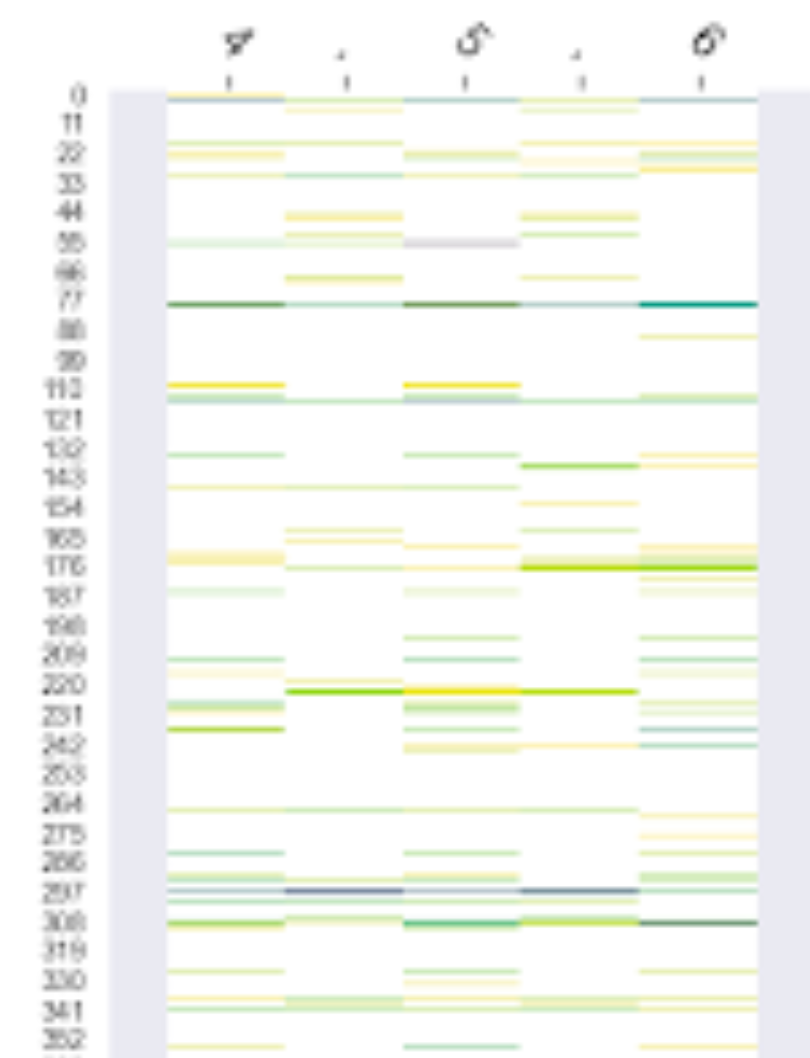
Ecco provides interactive interfaces to explore transformer internals by combining input saliency and neuron activation visualizations. The toolkit surfaces token-level saliency, layer-wise activation patterns, and factorized neuron clusters so practitioners can probe how Transformer and BERT style models route information. The work pairs visual diagnostics with examples and discussion prompts that connect to familiar interpretability methods like LIME and SHAP, while raising practical questions about cluster stability across inputs and potential links to Structural Causal Models. For model developers and researchers, Ecco is a lightweight, exploratory platform to generate hypotheses about neuron roles, attribution patterns, and emergent features in pretrained language models.
What happened
The Ecco project published interactive interfaces for explaining transformer language models that emphasize input saliency and neuron activation views. The toolkit includes explorable modules such as token saliency overlays, visualizations titled "Factorizing Activations of a Single Layer", and clustering views that map neurons to activation factors.
Technical details
The interfaces interrogate a trained Transformer or BERT style model to extract layerwise activations and per-token attribution scores. Key practitioner-relevant items:
- •Token-level saliency mapped back to inputs, enabling inspection of which tokens drive next-token predictions.
- •Activation factorization and clustering that group neurons by activation patterns for a particular input, exposing layer substructures.
- •Side-by-side comparisons with attribution concepts inspired by LIME and SHAP to contextualize explanations.
Context and significance
Tools like Ecco shift interpretability from static plots toward interactive hypothesis generation. Visualizing factorized activations helps surface modular computations inside transformers and complements quantitative probes and ablation studies. The interface invites questions about cluster stability across datasets, whether factor mappings generalize, and how these visual patterns align with causal or mechanistic accounts of model behavior.
What to watch
Validate neuron clusters across diverse inputs and integrate these visual diagnostics with targeted interventions, such as controlled ablations or causal experiments using Structural Causal Models. If clusters prove stable, they become candidates for mechanistic interpretation or targeted fine-tuning.
Key Points
- 1Interactive saliency plus activation views reveal token-level drivers and layer substructures, accelerating hypothesis-driven debugging of transformers.
- 2Factorizing activations groups neurons by behavior, making candidate modular computations visible, which aids targeted ablation and interpretability experiments.
- 3Connecting visual diagnostics to LIME/SHAP and causal frameworks highlights next steps: test cluster stability and causal impact across inputs.
Scoring Rationale
Ecco is a useful exploratory interpretability toolkit that helps practitioners generate mechanistic hypotheses about transformers, but it is not a new paradigm. It provides practical visual diagnostics rather than benchmark-beating methodology, making it moderately important for researchers and engineers.
Sources
Public references used for this report.
Practice interview problems based on real data
1,625 SQL & Python problems across 15 industry datasets — the exact type of data you work with.
Try 250 free problems