
Duos Converts Rail Tech Into Edge AI Infrastructure
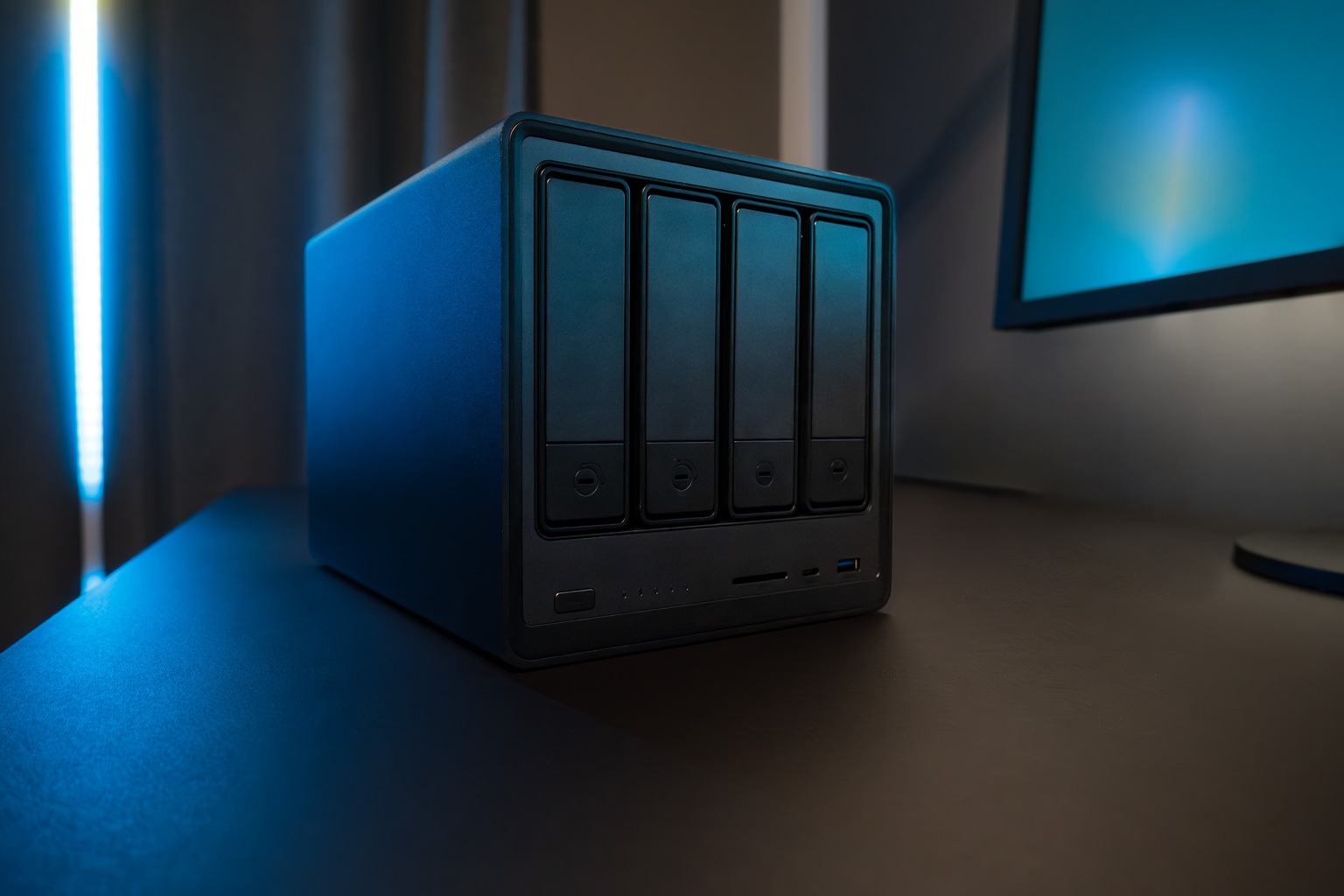
Duos Technologies Group, through its subsidiary Duos Edge AI, is selling modular Edge Data Centers and promoting deployments in rural and underserved U.S. markets, according to the company website and press releases syndicated via GlobeNewswire and Business Insider. Seeking Alpha reports that Duos has secured a $176 million GPUaaS contract and a $14 million backlog, and that management guides $50M+ FY26 revenue, 25 MW deployed in 2026, positive adjusted EBITDA in H2/26, and $30M CapEx (Seeking Alpha). Company press releases describe recent deployments in Hereford, Texas and an open house for a Waco, Texas EDC (GlobeNewswire / Business Insider). Observers should treat near-term financial targets as contingent on execution and on scaling unit economics.
What happened
Duos Technologies Group, Inc. (Nasdaq: DUOT) has shifted its public-facing business emphasis from railcar inspection to modular Edge Data Centers marketed under Duos Edge AI, according to the company website and multiple press releases (Duos website; GlobeNewswire; Business Insider). A Jan 13, 2026 GlobeNewswire press release announced a Hereford, Texas deployment described as a patented, SOC 2 Type II-audited, clean-room-engineered modular EDC that operates on on-grid power without water cooling (GlobeNewswire). A May 12, 2026 GlobeNewswire item syndicated by Business Insider announced a Waco, Texas open-house event for a newly operational EDC serving dozens of school districts and counties (Business Insider / GlobeNewswire). Seeking Alpha reports a $176 million GPUaaS contract, a $14 million backlog, and management guidance of $50M+ FY26 revenue, 25 MW deployed in 2026, positive adjusted EBITDA in H2/26, and $30M CapEx for expansion (Seeking Alpha).
Editorial analysis - technical context
Modular EDCs marketed by Duos align with an industry pattern of compact, rapidly deployable facilities designed to place compute close to data sources. Companies in this segment typically emphasise features such as SOC 2 compliance, N+1 power, and high per-cabinet power density to support GPU inference and HPC workloads. Industry observers note these designs trade the scale economies of hyperscale sites for lower latency and bandwidth savings at the edge, but they also introduce constraints around cooling, power provisioning, and remote operations compared with traditional data centers.
Context and significance
Edge deployments targeted at Tier 3/4 and rural markets can open addressable demand for low-latency inference in education, telemedicine, utilities, and manufacturing, especially where backhaul bandwidth is limited. The combination of a GPU-as-a-service contract and modular hardware differentiates an infra-first revenue mix from legacy CapEx-heavy models, but analysts covering similar small operators flag unit-economics and utilization rates as the critical variables that determine profitability at scale.
What to watch
- •Execution and utilization: whether installations convert to recurring hosting revenue and achieve sustained GPU utilization rates. (This is an observable metric if reported in quarterly filings.)
- •Contract and backlog realization: whether the $176M GPUaaS contract and $14M backlog reported by Seeking Alpha translate into recognized revenue per SEC filings and earnings releases (Seeking Alpha).
- •Operational scale and financing: evidence of additional deployments, financing cadence, or shifts in capital structure to support the $30M CapEx referenced in Seeking Alpha.
Practitioner takeaway
For ML/infra teams considering edge deployments, modular EDCs like those Duos promotes offer faster local compute with claims of 90-day deployment and 100+ kW per cabinet capability (company website). Industry practitioners should weigh the tradeoffs between lower latency and the added complexity of managing distributed power, maintenance, and network interconnects.
Key Points
- 1Modular Edge Data Centers place GPUs near users, reducing latency and bandwidth costs for local AI inference in underserved markets.
- 2Seeking Alpha reports a large GPUaaS contract and FY26 targets, but industry patterns show revenue realization depends on utilization and unit economics.
- 3Practitioners evaluating edge deployments should trade off latency gains against distributed operations, power provisioning, and remote servicing complexity.
Scoring Rationale
Notable infrastructure story: Duos is pursuing modular EDC deployments and reports a sizable GPUaaS contract and FY26 guidance (Seeking Alpha), which matters to practitioners assessing edge GPU availability and business models. The story is not industry-shaking because deployments are regionally focused and execution risk remains significant.
Sources
Public references used for this report.
Practice interview problems based on real data
1,625 SQL & Python problems across 15 industry datasets — the exact type of data you work with.
Try 250 free problems

