Dataland Scheduled to Open World's First AI Art Museum
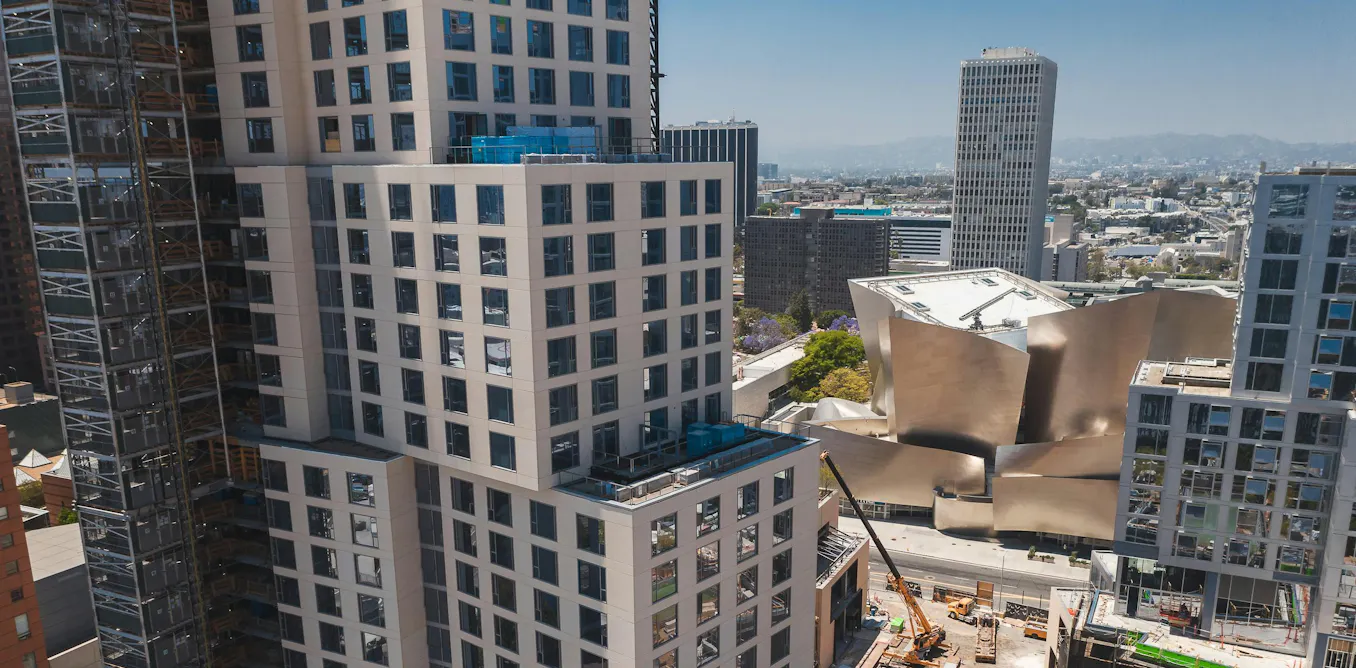
Per The Conversation, the "world first museum of AI arts" called Dataland is scheduled to open next month in a 35,000 square feet purpose-built facility at the Frank Gehry-designed The Grand LA. The project is led by artists Refik Anadol and Efsun Erkiliç and is described as a "living museum" presenting continuously evolving immersive audiovisual installations built from millions of images, sounds and scents drawn from nature. The Conversation quotes Anadol saying he wants Dataland to "develop a new paradigm of what a museum can be, by fusing human imagination with machine intelligence and the most advanced technologies available." The article situates the launch in a longer history, arguing museums have long been entangled with European imperialism and linking Dataland's technological spectacle to 19th-century exhibition practices such as the Crystal Palace. For practitioners, the project foregrounds persistent questions about dataset provenance, cultural representation and the colonial histories embedded in institutional displays.
What happened
Per The Conversation, the project called Dataland is scheduled to open next month in a 35,000 square feet purpose-built venue inside the Frank Gehry-designed The Grand LA. The installation is led by artists Refik Anadol and Efsun Erkiliç and is billed as a "living museum" that will present continuously evolving immersive audiovisual environments generated from millions of images, sounds and scents drawn from nature. The Conversation reproduces a statement from Anadol: "develop a new paradigm of what a museum can be, by fusing human imagination with machine intelligence and the most advanced technologies available."
Technical details
The Conversation frames Dataland as an immersive, data-driven exhibition built from very large multimedia datasets; the article does not disclose specific model names, training pipelines or dataset vendors. The piece emphasizes scale and sensory layering rather than implementation specifics, and it does not report technical provenance or dataset licensing for the images, audio or scent inputs used to generate the works.
Context and significance
Editorial analysis: The Conversation's author, Professor Kylie Message, places Dataland within a longer institutional history, arguing that museums and large public spectacles in the 19th century, exemplified by the Crystal Palace, helped naturalize imperial knowledge practices. The article contends that technologically spectacular museums can reproduce similar power dynamics if data sourcing, cultural ownership and representational context are not attended to. For practitioners, those concerns translate into practical questions about dataset provenance, consent, indigenous and local rights to cultural materials, and interpretability of generative outputs.
What to watch
Editorial analysis: Observers should look for published details about Dataland's data sources, licensing and curation practices, any public-facing documentation of how datasets were assembled, and whether the museum discloses partnerships with cultural communities. Industry stakeholders will also watch how museums adopting generative systems handle attribution, archival access and contested heritage claims.
Key Points
- 1Dataland is scheduled to open next month in a 35,000 sq ft Frank Gehry venue, showcasing large-scale AI-driven immersive art.
- 2The museum's use of millions of images, sounds and scents raises dataset-provenance and cultural-rights questions that matter to ML practitioners.
- 3Editorial analysis: Historical links between museums and imperial exhibition practices highlight risks of reproducing unequal cultural narratives in AI-driven displays.
Scoring Rationale
The story matters to practitioners because it highlights non-technical but operationally critical issues: dataset provenance, cultural ownership and documentation practices for generative installations. It is sector-relevant but not a technical breakthrough.
Sources
Public references used for this report.
Practice with real Ad Tech data
90 SQL & Python problems · 15 industry datasets
250 free problems · No credit card
See all Ad Tech problems