Cursor COO Frames AI Impact on Software Development
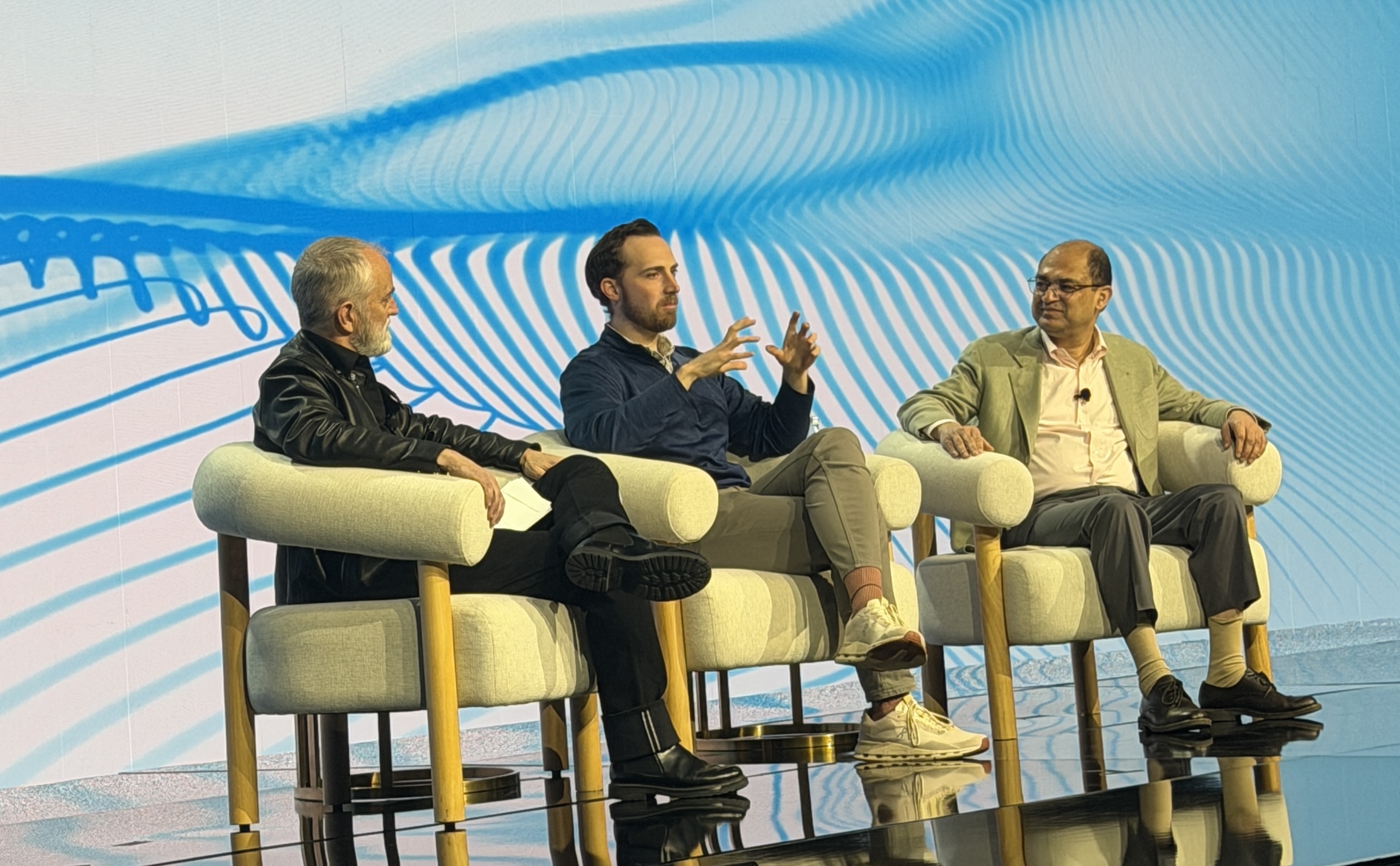
Jordan Topoleski, COO of Cursor, argued that AI is no longer a sidecar to development but is rewriting the software development lifecycle. AI now writes a substantial share of production code, Topoleski cited that AI can produce 60% to 80% of code and that Cursor customers have moved from 6% to over 60% of production code originating from Cursor, with 97% internal adoption at Cursor. The bottlenecks have shifted to planning, design, testing, and review, so organizations must rethink team structure, metrics, and governance. Topoleski warned against vanity metrics like lines of code and urged tracking code quality, security, and business outcome alignment when adopting AI coding tools.
What happened
Jordan Topoleski, chief operating officer of Cursor, presented five concrete takeaways at NTT Upgrade that argue AI has moved from augmentation to a core driver of software delivery. He stated AI can write 60% to 80% of code and that Cursor customers have gone from 6% to over 60% of production code originated via Cursor, with 97% internal adoption, forcing teams to rethink how software is built.
Technical details
Topoleski emphasized that the traditional software development lifecycle is inverted. writing is less often the bottleneck; instead planning, architecture, design, testing, and code review create constraints. He recommended organizations stop measuring AI output by lines of code and focus on measurable attributes: quality, security, and business impact. Key operational requirements implied by his remarks include stronger traceability for AI-originated code, integration of AI outputs into CI/CD pipelines, and automated security and compliance scanning as a default step in the workflow.
Five takeaways
- •AI reshapes the lifecycle: planning, design, testing, and review are now the critical bottlenecks
- •Adoption at scale: enterprise usage rose from 6% to over 60%, with 97% internal usage at Cursor
- •Metrics must change: avoid lines-of-code vanity metrics; measure quality, security, and business outcomes
- •Team and process redesign: roles and skill sets must adapt to higher output from AI tools
- •Testing and review need new approaches: conventional code review must evolve to handle AI-generated code
Context and significance
This session confirms a growing industry pattern where coding tasks are increasingly automated and value shifts to system design, specification quality, and validation. For practitioners, that raises priorities: invest in robust test automation, provenance and audit trails for generated code, SAST/DAST integration, and requirements engineering. Vendors like Cursor are moving from proof-of-concept to production-scale influence, meaning platform choices and governance models will shape technical debt and security posture across large organizations.
What to watch
Expect enterprises to accelerate investment in automated testing, code provenance, and policy controls, and for metrics and developer roles to evolve to prioritize design and risk mitigation over raw output volume. Monitor how toolchains integrate AI-origin attribution and how auditability standards develop for production code.
Key Points
- 1AI now writes the bulk of code, moving bottlenecks to planning, design, testing; teams must reconfigure processes and skills.
- 2Cursor reports enterprise adoption jumping from 6% to over 60% and 97% internal use, signaling rapid production-scale uptake.
- 3Metrics and governance must shift from lines-of-code to quality, security, provenance, and measurable business outcomes.
Scoring Rationale
Practical, enterprise-scale adoption data and operational implications make this notable for practitioners, but it is not a frontier model or industry-altering paradigm shift. The session provides actionable guidance on metrics, governance, and process redesign.
Practice interview problems based on real data
1,625 SQL & Python problems across 15 industry datasets — the exact type of data you work with.
Try 250 free problems