Courts Question Copyright Protection for AI-Generated Works
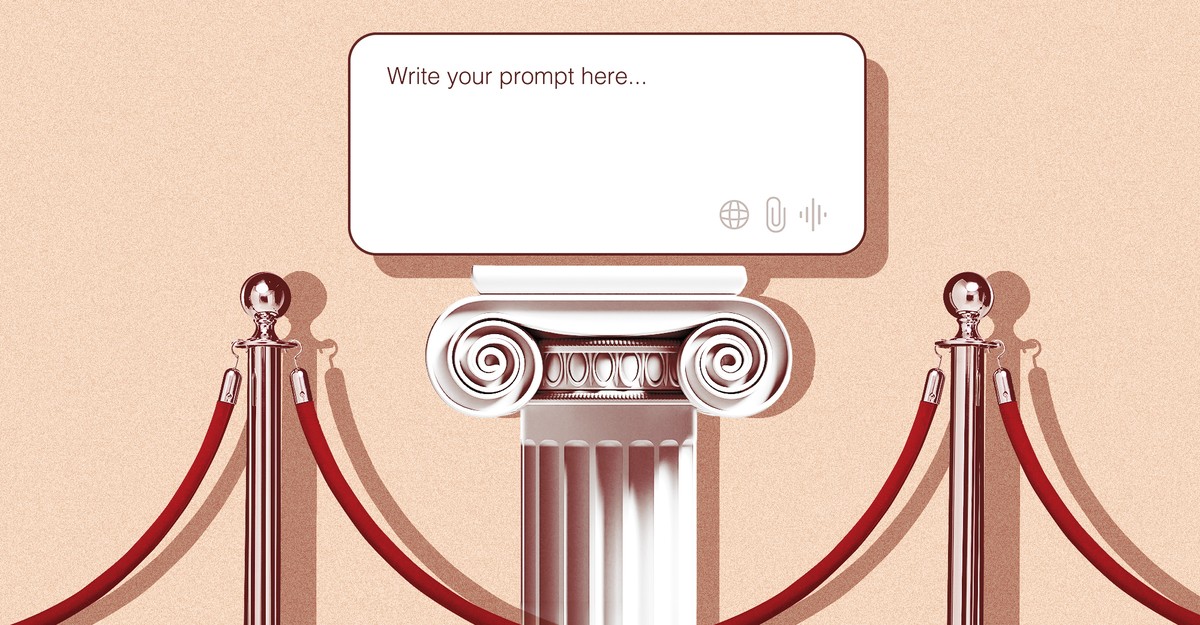
The Atlantic reports that more than 90 lawsuits have been filed by creators alleging that firms including OpenAI, Meta, and Anthropic used copyrighted material to train generative models, and that The Atlantic is itself a plaintiff in a suit against Cohere. The Atlantic reports that a 2024 decision by the Court of Appeals for the District of Columbia held that works generated autonomously by an AI system cannot be protected by copyright because copyright requires a human author, and that the Supreme Court declined to review that decision in March. The narrower, less-covered legal question about whether AI-generated outputs can receive copyright protection could have broader consequences for licensing, monetization, and the incentives facing creators and platforms.
What happened
The Atlantic reports that more than 90 lawsuits filed by authors, musicians, visual artists, and news publishers accuse companies including OpenAI, Meta, and Anthropic of using copyrighted material to train generative models without permission, and that The Atlantic is a plaintiff in a case against Cohere. The Atlantic reports that a 2024 decision from the Court of Appeals for the District of Columbia held that an autonomously generated work cannot be protected by copyright because copyright requires a human "author," and that the Supreme Court declined to review that decision in March. The Atlantic notes that courts have not yet established how much AI-generated content can be mixed into a work before copyright protection is lost.
Editorial analysis - legal and industry context
Editorial analysis - practical implications for practitioners
What to watch
Bottom line
Editorial analysis
Reporting frames two distinct legal fronts: training-data infringement claims and the separate issue of whether AI outputs are eligible for copyright at all. Industry observers often treat ownership of outputs as the linchpin for downstream value capture in creative markets, because copyright enables licensing, takedown mechanisms, and derivative-rights monetization.
If courts broadly hold that purely AI-generated works lack copyright, platforms and creators may face altered incentives around dataset curation, prompt engineering, and rights clearance. Companies building products that monetize model outputs or automate creative work could confront friction in creating exclusive, enforceable IP claims over generated content.
Observers should track:
- •follow-on federal cases testing the D.C. Circuit precedent
- •any state-level or congressional legislative proposals addressing AI authorship and rights
- •contractual and terms-of-service changes by major platforms that govern generator output ownership and licensing
The Atlantic frames the lawsuit count as the visible fight, but the less-noticed doctrinal question of copyright eligibility for AI outputs may be the decisive determinant of how creative labor and AI-generated value are governed going forward.
Key Points
- 1Legal debate now centers not only on training-data use but on whether AI-generated outputs can carry copyright protection.
- 2A 2024 D.C. Circuit decision finding no copyright for autonomous AI outputs remains in place after the Supreme Court declined review.
- 3Industry observers should watch litigation, legislative proposals, and platform contract changes that will shape monetization and rights management.
Scoring Rationale
This legal question affects the enforceability of IP rights over AI outputs and therefore licensing, product design, and business models for creators and platforms. The story is immediately relevant to practitioners building or using generative models.
Practice interview problems based on real data
1,625 SQL & Python problems across 15 industry datasets — the exact type of data you work with.
Try 250 free problems