Companies Build Customer Trust Around AI Experiences
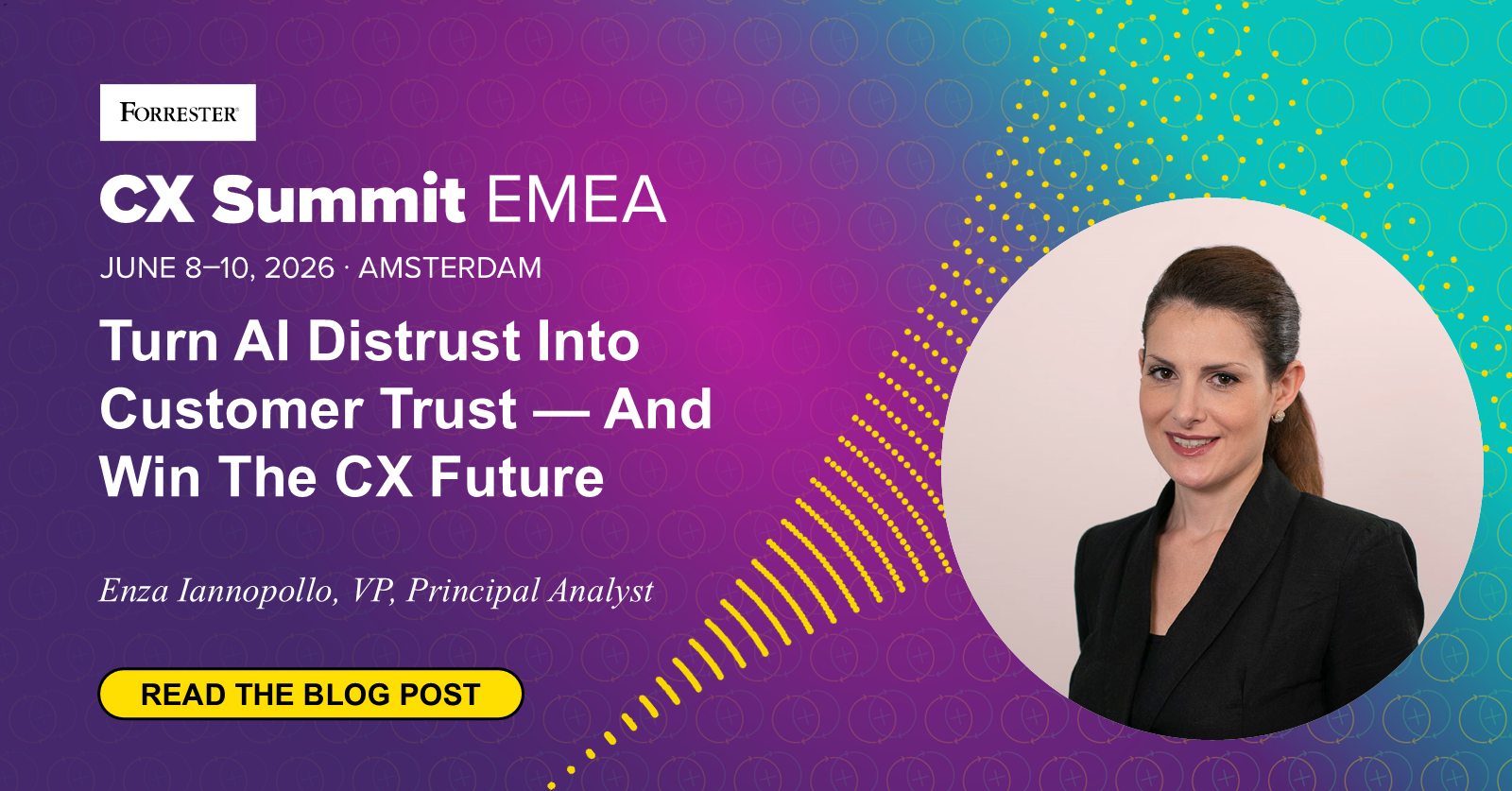
Consumer use of AI continues to grow while trust remains low, creating a strategic opening for companies to differentiate on customer experience. Forrester research shows trust levels at 10% in France, 12% in Germany, and 16% in the US, with roughly 33% of UK consumers seeing AI as a serious societal threat. The imperative for CX, marketing, and product teams is to design AI experiences that foreground intent, identity, and context, and to pair automation with human oversight, transparent controls, and clear consent. Organizations that operationalize trust-through accountability, measurement, and governance-can convert skepticism into competitive advantage and sustain adoption without sacrificing compliance or reputation.
What happened
Forrester highlights a widening trust gap where consumer adoption of AI grows but confidence remains near historic lows. Forrester reports trust at 10% in France, 12% in Germany, 16% in the US, and roughly 33% of UK consumers view AI as a serious societal threat. The blog frames distrust as the new default and positions trust-building as a primary route to winning the future of customer experience.
Technical details
For practitioners, the operational prescription centers on three pillars: intent, identity, and context. Implementations should include:
- •Clear intent framing so customers understand why AI is used and what outcomes to expect
- •Strong identity and authentication to reduce surprise, tie outputs to accountable sources, and protect privacy
- •Context-aware behavior so models surface results only where appropriate and explain limitations
Complementary actions include built-in human-in-the-loop controls, granular customer consent mechanisms, transparent explanations for automated decisions, and provenance metadata for outputs. Measurement must move beyond engagement metrics to trust metrics: opt-in rates, override frequency, dispute rates, and trust-aware A/B testing. Governance requires lifecycle controls, logging, and incident playbooks aligned with legal and reputational risk management.
Context and significance
This is not primarily a technical model issue, it is a product and organizational design challenge. The findings fit broader trends: rising regulatory scrutiny, media-driven anxiety, and the so-called "pessimism economy" where consumers spend despite skepticism. Firms that treat trust as a measurable product requirement will reduce friction, limit churn, and avoid costly reputation events. For CX leaders, trust becomes a differentiation lever comparable to performance and personalization.
What to watch
Expect organizations to integrate trust KPIs into roadmaps, increase investment in explainability and consent tooling, and run experiments that trade some automation for stronger human oversight and accountability. Vendors who provide easy-to-integrate trust controls, provenance tooling, and audit logs will gain traction with enterprise buyers.
Key Points
- 1Consumer trust in AI is low, with 10% in France, 12% in Germany, and 16% in the US; distrust is the new default.
- 2Operational pillars-intent, identity, and context-turn AI from a technical feature into a trustable CX capability.
- 3Measurable trust metrics, governance, and human-in-loop controls convert skepticism into adoption and competitive differentiation.
Scoring Rationale
Forrester's data and prescriptive framework are highly relevant to CX, product, and ML ops teams but do not introduce new models or regulations. The guidance is practical and actionable, making it notable for practitioners.
Practice interview problems based on real data
1,625 SQL & Python problems across 15 industry datasets — the exact type of data you work with.
Try 250 free problems