CJI Announces One Case One Data, Launches Su Sahay
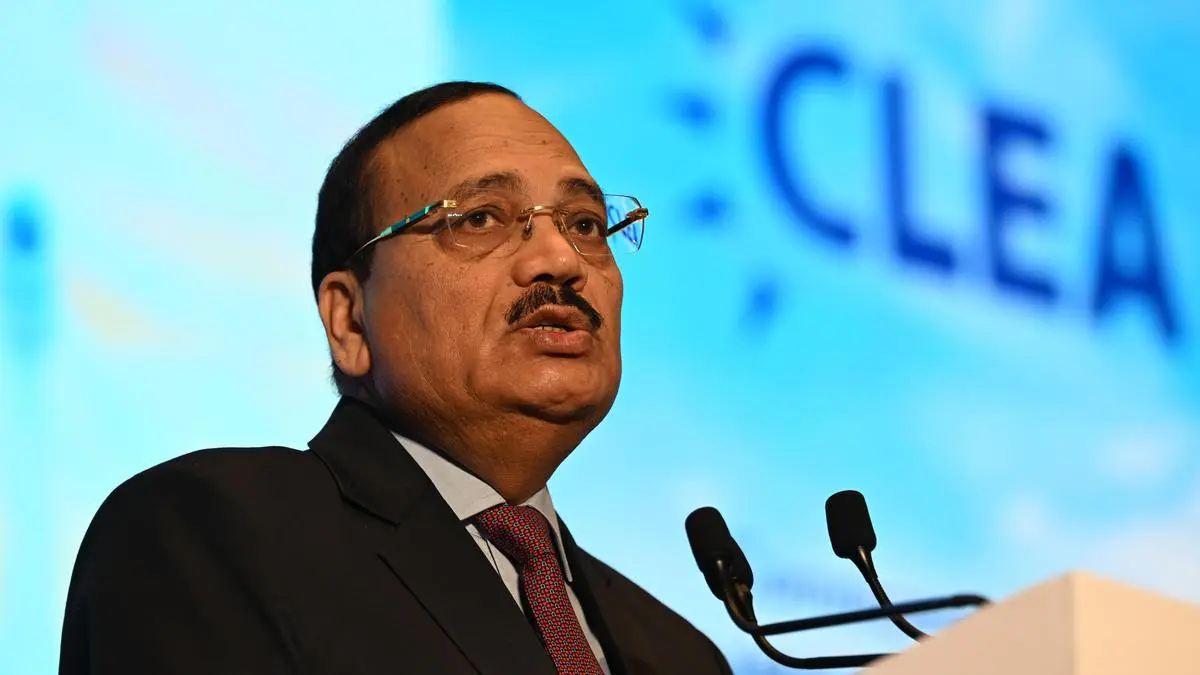
Press Trust of India reported that Chief Justice of India Surya Kant on May 11 announced the launch of the One Case One Data initiative to integrate judicial case data and improve access. LiveLaw reported that the Supreme Court concurrently launched Su Sahay, an AI-powered assistive chatbot developed by the National Informatics Centre in collaboration with the Supreme Court, and integrated with the court's website. Multiple Indian outlets, including Devdiscourse and LawChakra, also covered the rollout and described Su Sahay as an aid for public interaction with case information. Sources do not include a verbatim statement explaining the court's technical roadmap or data-sharing details.
What happened
Press Trust of India reported that Chief Justice of India Surya Kant on May 11 announced the launch of the One Case One Data initiative, a digital push aimed at stronger integration of judicial case data and improved public access. Per LiveLaw, the Supreme Court also launched Su Sahay, an AI-powered assistive chatbot developed by the National Informatics Centre in collaboration with the Supreme Court and integrated into the court's website. Additional Indian outlets including Devdiscourse and LawChakra ran corroborating coverage of the dual announcement.
Technical details
Per LiveLaw and press coverage, Su Sahay is described as an artificial-intelligence powered chatbot intended to assist users in navigating court information on the Supreme Court portal. Report coverage identifies the National Informatics Centre as a development partner; the sources do not publish technical specifications, model names, data provenance, or explicit privacy and access-control mechanisms for the initiative.
Context and significance
Editorial analysis
Industry observers note that public- sector launches combining a unified case-data effort with a front-end chatbot follow a broader pattern where governments seek to make administrative records more discoverable using conversational interfaces. For practitioners, consolidated case-level datasets increase the potential value of legal search, research tooling, analytics pipelines, and benchmarking datasets, provided access, metadata quality, and privacy controls are documented and usable.
A coordinated effort to integrate case data at the national apex court level can materially affect legal-technology workflows in India, including e-filing, legal research products, and data-driven litigation support. The practical impact will depend on what data fields are standardized, whether historical records are ingested, and the terms under which machine access or bulk exports are permitted; those details were not present in the cited reporting.
What to watch
Observers should look for published technical documentation or policy notices from the Supreme Court or the National Informatics Centre detailing data schemas, API availability, retention and redaction policies, and any pilot scope statements. Independent verification of data quality and anonymization practices will determine how usable the integrated dataset is for downstream ML tasks and product integrations.
Key Points
- 1One Case One Data and Su Sahay were launched simultaneously, aiming to unify judicial case data and provide a public-facing AI assistant.
- 2Su Sahay was developed with the National Informatics Centre, but technical specs, model details, and data-access rules were not published in coverage.
- 3Editorial analysis: Unified, court-level datasets typically unlock legal-research tooling and analytics, contingent on metadata quality and API access terms.
Scoring Rationale
This is a notable national-level judicial digitization move with practical relevance for legaltech and data practitioners in India. The lack of published technical and access details limits immediate utility for ML workflows, but the initiative could become an important data source if documentation and APIs are released.
Sources
Public references used for this report.
View 5 more sources
- Supreme Court - The Siasat Dailysiasat.com
- Centre To SC: 10 Indians In Russia Died Fighting Ukraine War ...etvbharat.com
- CJI Surya Kant announces 'One Case One Data' initiative, launches ...devdiscourse.com
- SC launches one case one data - Awaz The Voiceawazthevoice.in
- Simple And Convenient Interface for Citizens: CJI Surya Kant ...lawchakra.in
Practice interview problems based on real data
1,625 SQL & Python problems across 15 industry datasets — the exact type of data you work with.
Try 250 free problems