CISA Reports AI Automation Boosts Threat Analysis
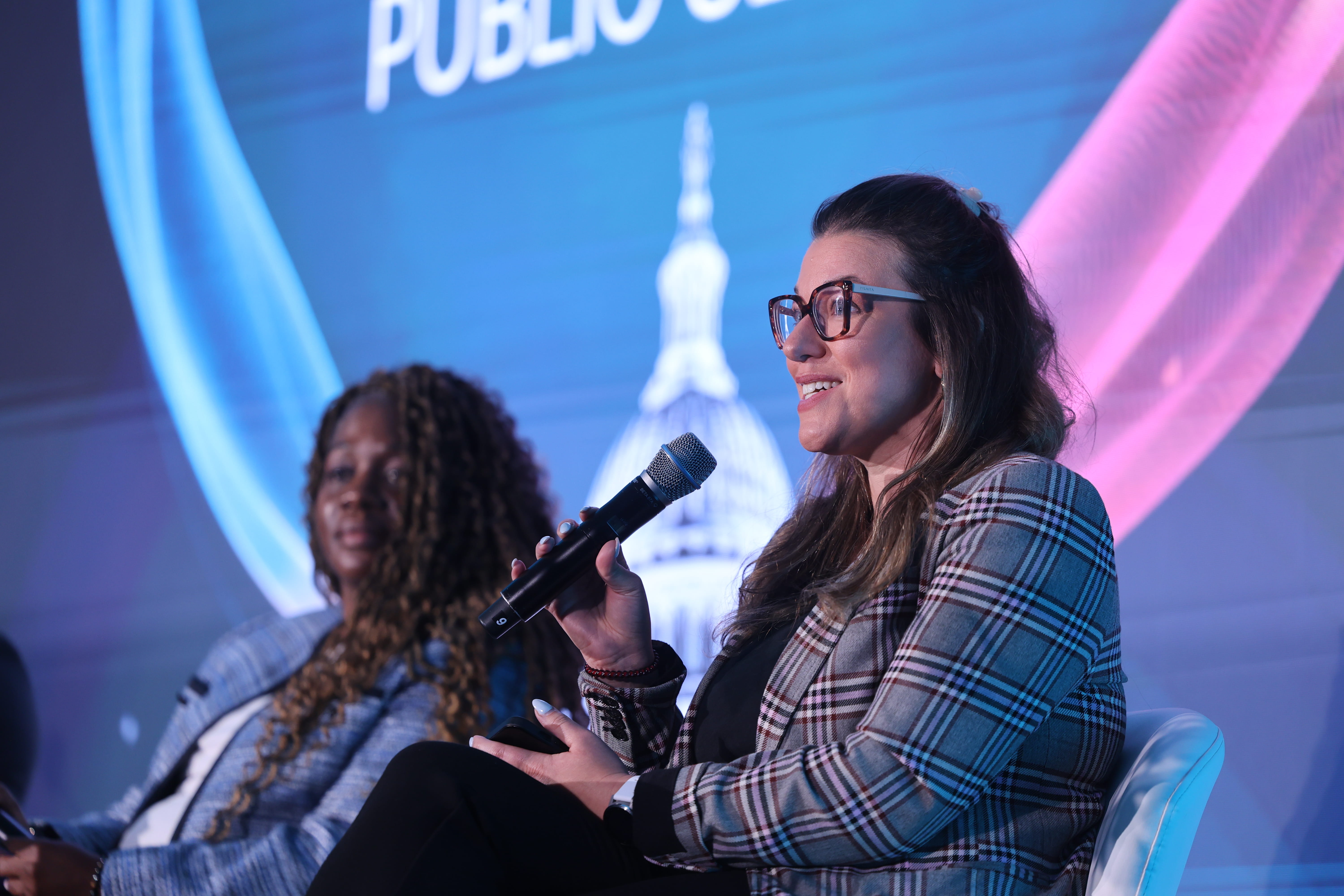
CISA officials told Cyberscoop at the UiPath FUSION Public Sector event that the Cybersecurity and Infrastructure Security Agency has seen the "by far" biggest gains from AI automation in its security operations unit, helping analysts "do triage very fast" and cut through "noise," Tammy Barbour said. Barbour also described gains in the agency's Technology Operations Center and in data migration, per Cyberscoop. Lauren Wind, acting deputy chief technology officer, told Cyberscoop the agency is applying automation to human resources, contracting and finance to "accelerate the mission-supporting functions." Both officials said adoption faces hurdles including legacy workflows, systems that need modernization, and cultural reliance on spreadsheets, Cyberscoop reports.
What happened
Cyberscoop reports that officials from the Cybersecurity and Infrastructure Security Agency (CISA) said AI-driven automation has produced major efficiency gains in the agency's security operations unit, enabling analysts to "do triage very fast" and focus "on what matters versus the noise," Tammy Barbour, acting chief of application management at CISA, said at the UiPath FUSION Public Sector event. Cyberscoop also reports Barbour described improvements in CISA's Technology Operations Center and in data migration tasks. Lauren Wind, acting deputy chief technology officer at CISA, told Cyberscoop the agency is pursuing automation in human resources, contracting, and finance to "accelerate the mission-supporting functions."
Editorial analysis - technical context
Industry-pattern observations: agencies adopting AI automation for security operations typically combine automated alert triage, enrichment pipelines, and workflow orchestration to reduce analyst time spent on false positives. Organizations that report similar gains also emphasize data integration and migration as frequent technical bottlenecks. Legacy systems and spreadsheet-driven processes are common practical obstacles to scaling automation, creating both integration and governance workstreams.
Context and significance
a U.S. federal agency reporting operational benefits from automation matters to practitioners because it validates production use cases for alert triage and mission-support functions beyond pure security tooling. However, the Cyberscoop piece contains little technical detail on specific tools, models, or integration patterns used by CISA, limiting direct reproducibility for practitioners seeking implementation guidance.
What to watch
For observers: look for future public materials from CISA detailing the specific automation technologies, integration architectures, or governance controls they deploy. Also monitor whether follow-on reporting quantifies efficiency gains, lists vendor partners, or describes approaches to modernizing legacy systems and reducing spreadsheet dependence.
Key Points
- 1CISA officials told Cyberscoop AI automation produced the "by far" biggest gains in security operations, speeding analyst triage.
- 2Automation use is expanding to mission-support functions like HR, contracting, and finance, suggesting cross-functional operational value.
- 3Adoption barriers reported include legacy systems and spreadsheet-driven workflows, a common integration and governance challenge for agencies.
Scoring Rationale
A major U.S. cybersecurity agency reporting measurable operational benefits is notable for practitioners evaluating production use cases, but the lack of technical specifics and quantification limits immediate applicability.
Practice interview problems based on real data
1,625 SQL & Python problems across 15 industry datasets — the exact type of data you work with.
Try 250 free problems