Chris Larsen Commits $3.5 Million to NY House Primary
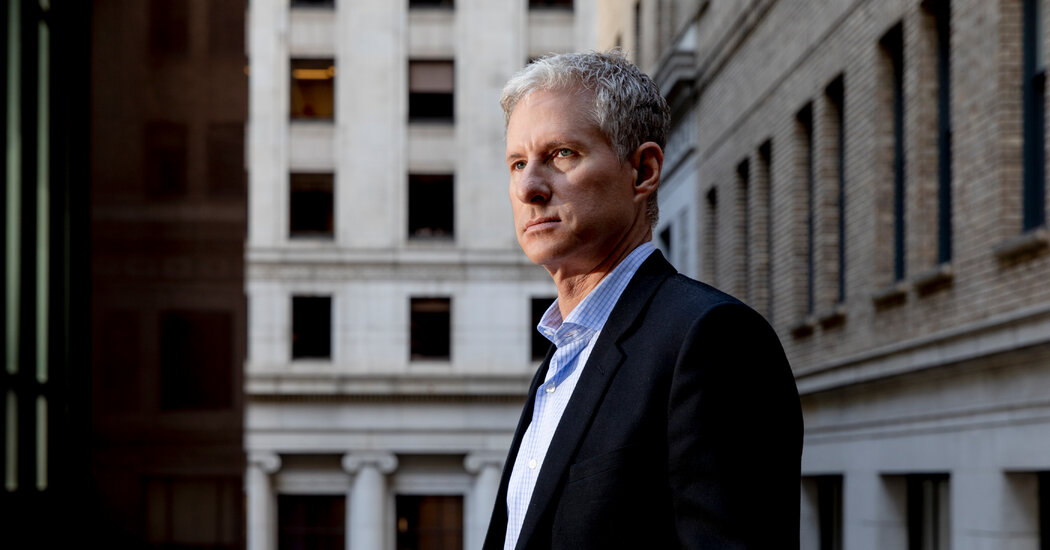
Per Commstrader, billionaire Chris Larsen plans to spend $3.5 million to back New York assemblyman Alex Bores in the Manhattan Democratic primary to replace retiring Rep. Jerrold Nadler. Commstrader reports the spending follows attack ads from a super PAC the article describes as cozy with OpenAI; the piece quotes Larsen calling those attacks "despicable." The article notes Bores co-authored New York's AI safety legislation requiring disclosures of safety plans for advanced models, and frames the contest as a proxy fight over AI regulation and economic stakes. The story illustrates how private capital and tech-sector donors are increasingly intervening in local races where AI policy is on the ballot.
What happened
Per Commstrader, billionaire Chris Larsen plans to spend $3.5 million to support New York assemblyman Alex Bores in the Manhattan Democratic primary to replace retiring Rep. Jerrold Nadler. Per Commstrader, the article says the contribution responds to attack ads run by a super PAC the piece describes as "cozy with OpenAI," and it quotes Larsen calling those attacks "despicable." Per Commstrader, the story frames Bores as a co-author of New York's AI safety laws that require large firms to disclose safety plans for advanced models.
Editorial analysis - technical context
Industry-pattern observations: political fights over AI policy increasingly focus on transparency rules, model-risk disclosures, and governance requirements rather than narrowly technical model design. Observers tracking policy outcomes should expect disputes to center on whether regulators mandate public safety plans, third-party audits, or disclosure regimes-each influences model release practices and vendor documentation requirements.
Context and significance
Industry context: Commstrader frames Larsen's intervention as part of a broader clash over AI's future and economic value, with the Manhattan primary portrayed as a proxy for national debates. Wealthy tech donors entering local and congressional primaries can accelerate regulatory debates at the state and federal level by amplifying candidates who back specific disclosure or safety legislation.
What to watch
- •Total outside spending and PAC activity in the Manhattan primary, with special attention to new filings and ad buys reported to local election authorities.
- •Any public statements or filings from OpenAI or related PACs clarifying ties to the ads referenced by Commstrader.
- •Legislative follow-through in New York and Congress on AI safety measures similar to those described by Commstrader, including disclosure and safety-plan requirements.
For practitioners
Industry context: practitioners should monitor evolving disclosure expectations and potential legal/regulatory requirements for safety documentation, since those affect compliance, third-party evaluation, and model release practices.
Key Points
- 1Tech billionaire spending in a Manhattan primary highlights how AI policy disputes are moving into local and congressional races.
- 2Reported $3.5 million backing for Alex Bores foregrounds disclosure and safety-plan rules as central policy battlegrounds for AI governance.
- 3Observers should track outside spending, PAC ads, and statements from OpenAI since these influence near-term regulatory momentum and compliance signals.
Scoring Rationale
The story links major private funding to a congressional primary tied explicitly to AI regulation, which matters to practitioners because donor-driven contests can accelerate policy changes affecting disclosure and compliance. It is notable but not sector-defining.
Practice interview problems based on real data
1,625 SQL & Python problems across 15 industry datasets — the exact type of data you work with.
Try 250 free problems