China Orders Unwinding of Meta's Manus Acquisition
According to Reuters and AP, China's National Development and Reform Commission (NDRC) ordered that Meta's acquisition of AI startup Manus be unwound under its foreign-investment national-security review. AP reported the NDRC issued a one-line statement prohibiting the foreign acquisition and requiring the parties to withdraw from the deal. The startup Manus, founded in China and later headquartered in Singapore, was acquired by Meta in December for a deal reported by WSJ and Fortune at roughly 2-2.5 billion dollars. Meta said the transaction complied with law and that it "anticipate[s] an appropriate resolution," Fortune reported. The New York Times and Reuters note the decision comes just weeks before a planned meeting between President Trump and Xi Jinping. Industry reporting frames the ban as another example of rising regulatory risk for cross-border AI deals involving China-linked talent and assets.
What happened
According to Reuters and AP, the National Development and Reform Commission (NDRC) ordered that Meta's acquisition of AI startup Manus be unwound under China's foreign-investment national-security review mechanism. AP reported the NDRC issued a one-line statement prohibiting the foreign acquisition and instructing the parties to withdraw from the deal. The action was reported by the New York Times, Reuters, WSJ, Fortune, and AP across multiple dispatches.
Reported transaction details
Reporting by WSJ and Fortune places the deal value at roughly 2-2.5 billion dollars and notes Meta announced the acquisition in December. The New York Times and Reuters report that Manus was founded in China, later moved its headquarters to Singapore, and that Manus personnel had been integrated into Meta's AI teams in Singapore. Fortune and the NYT also reported that Chinese authorities had previously flagged the transaction for review and, according to the Financial Times as cited in those reports, had restricted the travel of Manus cofounders.
Public statements
Fortune reported a Meta spokesperson saying the transaction "complied fully with applicable law" and that the company "anticipate[s] an appropriate resolution to the inquiry." Reuters and AP reported that the NDRC applied its review powers under rules enacted in 2021; the NDRC did not elaborate on technical specifics in the one-line statement reported by AP.
What to watch
- •Whether Reuters and other outlets reporting that Meta was preparing to unwind the deal publish details about the legal or operational steps Meta takes.
- •Any follow-up statements or formal filings from the NDRC clarifying the statutory basis or technical scope of the prohibition, which AP and NYT noted were absent in the initial one-line statement.
- •Responses from other jurisdictions, investors, and founders who have used Singapore or similar jurisdictions to domiciliate technology teams, an issue covered in Fortune and Reuters reporting.
Editorial analysis
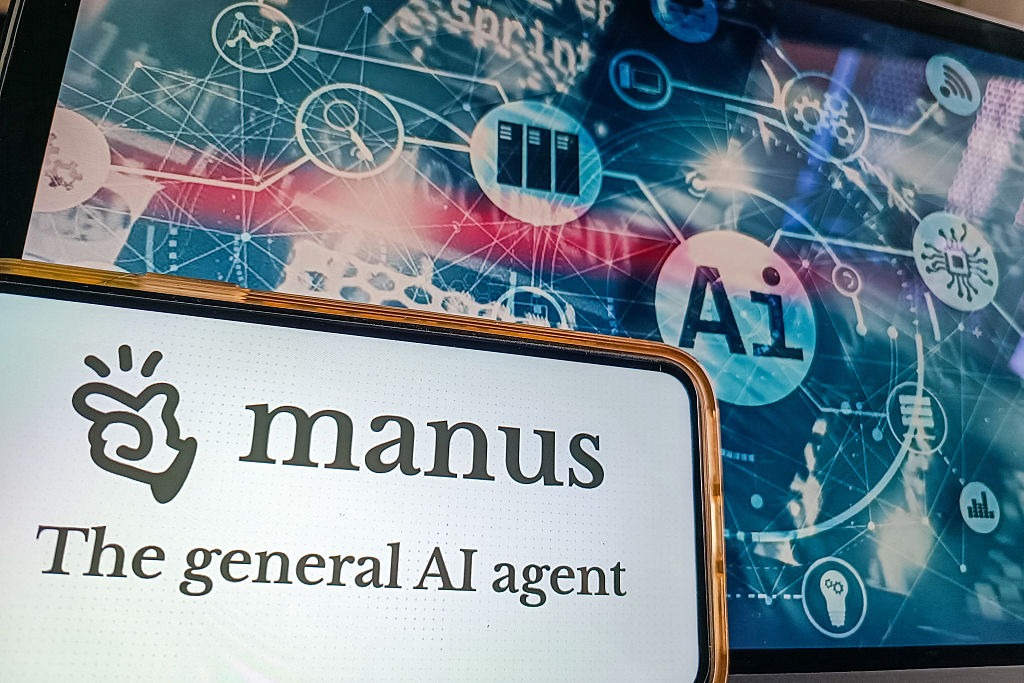
Technical context: Industry reporting frames Manus as a developer of a general-purpose AI agent capable of autonomously executing complex tasks, a class of technology that governments increasingly treat as strategically sensitive. Observers quoted by Reuters and Foreign Policy describe the case as part of a pattern where states extend jurisdictional reach to constrain transfers of advanced AI capabilities and talent. For practitioners, this heightens legal and operational friction for cross-border hiring, IP transfer, and M&A involving entities with material ties to China.
Context and significance: Public coverage frames the NDRC action as a high-profile test of China's willingness to use national-security review to block completed or nearly completed deals in AI. Multiple outlets, including the New York Times and Reuters, emphasize the symbolic weight of the decision because Manus relocated to Singapore and because Manus personnel had already been integrated into Meta. Reporting also highlights timing: the ruling arrived weeks before a scheduled meeting between President Trump and Xi Jinping, a fact noted by the New York Times.
Market and strategic implications (industry-pattern framing): Observers cited in Reuters and WSJ characterize the move as likely to chill cross-border investment and encourage deal structures that avoid perceived Chinese jurisdictional triggers. Industry-pattern observations suggest lawyers, investors, and corporate development teams will face higher due-diligence burdens and longer timelines for transactions involving AI assets with China links. This is an industry-level risk pattern, not a claim about Meta's internal strategy.
For practitioners: Lawyers and transactions teams should monitor updates to national-security review practice and case law cited by Chinese agencies, while engineers and data teams should track operational consequences for integrated teams and data access when jurisdictions assert retroactive review authority. The coverage signals elevated regulatory and geopolitical risk for cross-border M&A in advanced AI, according to multiple news reports cited above.
Key Points
- 1China's NDRC ordered the unwinding of Meta's Manus acquisition, highlighting national-security review use against cross-border AI deals.
- 2Reporting shows Manus had Chinese origins but moved to Singapore, underscoring how domicile shifts may not prevent regulatory intervention.
- 3Industry observers say heightened review increases legal and operational friction for investors, deal teams, and engineers working on cross-border AI transactions.
Scoring Rationale
A high-profile regulatory reversal affecting a major tech acquirer and an AI startup raises material legal and operational risk for cross-border AI transactions. The story matters to deal teams, legal counsel, and engineers involved in M&A or international collaborations.
Sources
Public references used for this report.
View 6 more sources
- China blocks Meta from acquiring AI startup Manus - AP Newsapnews.com
- China's decision to block Meta-Manus deal shows how far ... - Fortunefortune.com
- Why Did China Block Meta-Manus AI Deal? - Foreign Policyforeignpolicy.com
- China blocks Meta from acquiring AI startup Manusscrippsnews.com
- China blocks Meta from acquiring startup Manus as global AI rivalry ...courthousenews.com
- Why China blocked Meta’s $2-bn deal for Manus AI, and what this means for US-China tech raceindianexpress.com
Practice with real Ad Tech data
90 SQL & Python problems · 15 industry datasets
250 free problems · No credit card
See all Ad Tech problems