Chatbots Merge With Agents to Execute Tasks
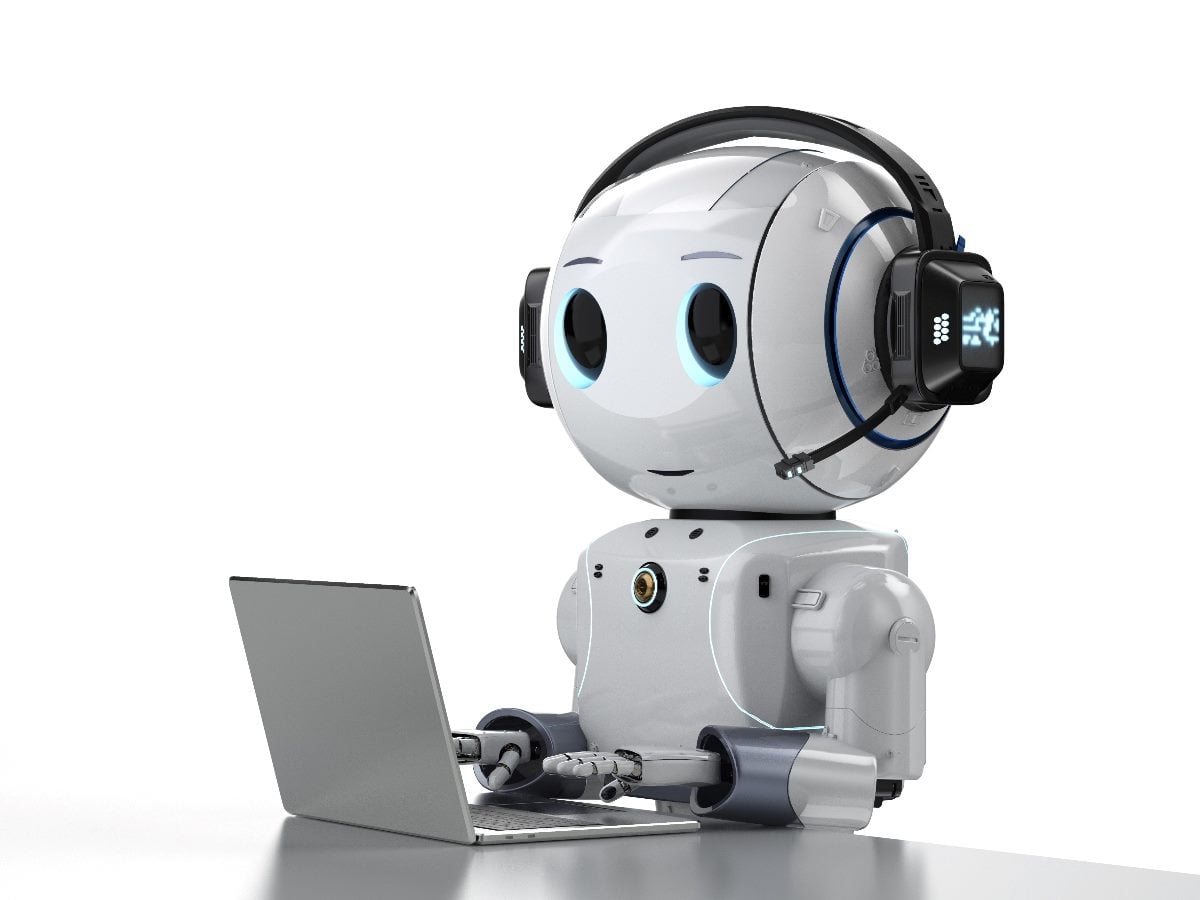
In a piece published on CMSWire and Big Technology newsletter, Alex Kantrowitz argues that AI chatbots and task-oriented agents are converging into a single interface. The analysis describes near-term AI assistants that browse, communicate, purchase, schedule, and execute workflows on a user's behalf without leaving the chat window. OpenAI's bundling of ChatGPT with Codex's autonomous coding and browser is cited as an early template. Kantrowitz frames user trust and permission models as the decisive adoption variable - technical capability is less of a bottleneck than users' willingness to grant AI systems access to sensitive accounts and decision-making authority.
What Happened
CMSWire and Big Technology newsletter (both authored by Alex Kantrowitz) published an analysis arguing that the current divide between information-focused chatbots and task-oriented agents is collapsing. The piece, dated June 17, 2026, frames the near-term direction of AI assistants as moving from answering questions to completing multi-step tasks without the user leaving the chat window.
Reported Capabilities and Industry Direction
Kantrowitz describes scenarios where a single assistant handles cross-context tasks such as reserving hotel rooms, composing and sending emails to service providers, or executing stock purchases - all initiated from a chat prompt with user approval at each step. OpenAI engineer Thibault Sottiaux is quoted on X (per CMSWire): "We are busy bringing ChatGPT to Codex so that we can bring Codex to ChatGPT. One day this will make sense." The article cites OpenAI's updated Codex - which bundles an autonomous coding tool, a browser, and a ChatGPT instance - as an early template for broader agentic capability in everyday consumer and enterprise contexts.
Why Trust and Permissions Are the Bottleneck
The analysis positions user trust, not technical capability, as the decisive adoption variable. Granting an AI assistant access to sensitive accounts, communication channels, and transaction authority carries real risk if the assistant acts incorrectly or is exploited. CMSWire frames this as a consent and permissioning design challenge more than a model quality challenge.
Practitioner Implications
Editorial context: For teams building agentic systems, the reported trend amplifies demand for connector reliability and error recovery across external services, auditable action logs, least-privilege authentication flows to limit error blast radius, and clear consent UIs. These are infrastructure and UX challenges as much as model challenges - observed patterns in comparable deployments show adoption stalls when automation works technically but users cannot verify or review what the assistant did.
What to Watch
- •Announcements of first-party connectors, delegated-auth standards, or SDKs for secure action-taking.
- •Regulatory or policy guidance on AI systems acting across accounts and services on users' behalf.
- •Incident reports from early agentic deployments that stress-test trust and permissioning assumptions.
- •Developer tooling: orchestration frameworks and simulators for multi-step, cross-service workflows.
Key Points
- 1Chatbots and task-oriented agents are converging into a single interface, per Kantrowitz/CMSWire, combining research and action in one conversational flow.
- 2User trust and permission design - not technical capability - are the reported central bottleneck for broad agentic AI adoption.
- 3OpenAI's Codex architecture (ChatGPT plus browser plus autonomous coding) is cited as an early template for everyday agentic use cases.
Scoring Rationale
This is a well-argued analysis piece by a credible tech journalist on a real and meaningful convergence trend, with a concrete OpenAI data point (Codex+ChatGPT bundling, Sottiaux quote). However it is fundamentally opinion and trend commentary rather than a product launch, funding event, or research result, placing it solidly in the 'Solid' band (5.0-6.4). Score pulled from 6.9 to 5.6.
Sources
Public references used for this report.
Practice interview problems based on real data
1,625 SQL & Python problems across 15 industry datasets — the exact type of data you work with.
Try 250 free problems