Cerebras Files IPO Despite Massive Revenue Growth
Cerebras has filed for an IPO for the second time, disclosing rapid top-line expansion alongside continued losses and customer concentration risk. The company grew revenue from $24.6 million in 2022 to $510 million in 2025, roughly 20x growth, yet remains unprofitable and is spending heavily to scale systems business. Cerebras sells rack-scale systems built around its wafer-scale engine (WSE) and reports that 86% of revenue comes from two customers, exposing it to concentration risk. The filing follows a previously cancelled IPO that was tied to connections with Abu Dhabi AI firm G42 and sovereign investor Mubadala. For practitioners, the filing surfaces real financials for a differentiated hardware vendor but also highlights yield, margin, and customer-diversification challenges that will determine long-term viability.
What happened
Cerebras has filed for an initial public offering for the second time, revealing dramatic top-line growth and continued operating losses. The company grew revenue from $24.6 million in 2022 to $510 million in 2025, about 20x growth, yet remains unprofitable and is described as "bleeding money at a rapid rate." The filing also discloses that 86% of revenue is concentrated in two customers, increasing commercial risk.
Technical details
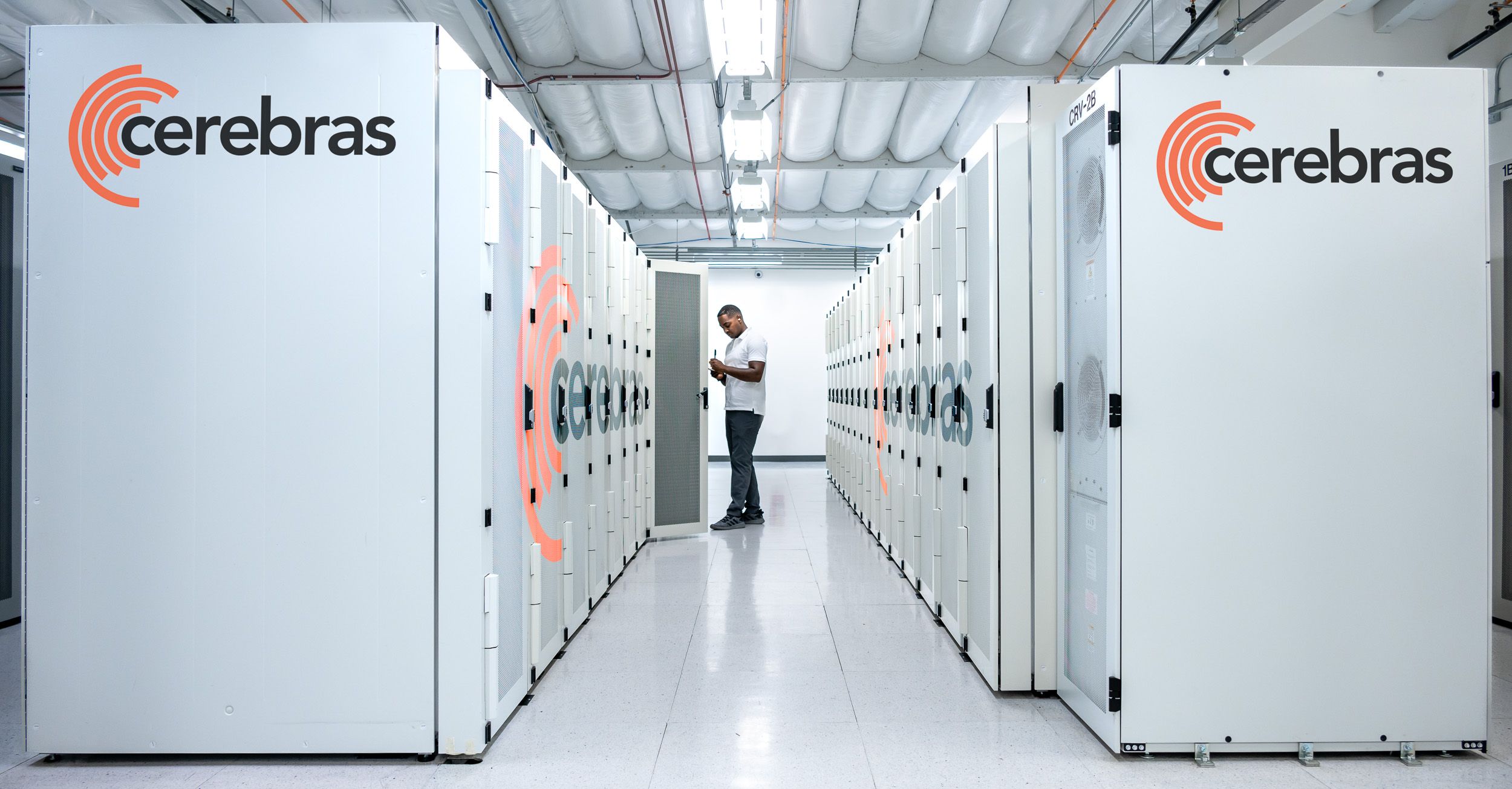
Cerebras positions itself as a full-stack AI infrastructure vendor that sells rack-scale systems built around its wafer-scale engine, WSE. Key on-chip claims in public materials include roughly 900,000 compute cores, 44 GB of on-chip SRAM, and 21 PB/s of on-chip bandwidth. The architecture emphasizes single-die, high-bandwidth compute to avoid inter-chip communication bottlenecks, trading system complexity for silicon complexity. Wafer-scale fabrication raises yield risk; Cerebras mitigates this with redundant cores and memory cells, but manufacturing economics and defect masking remain a technical and margin lever.
- •Product focus: rack-scale systems, integrated software stack, WSE as the differentiator
- •Performance/design trade-offs: high on-chip bandwidth and SRAM, single-die scaling vs multi-chip modularity
- •Commercial profile: extreme customer concentration, rapid revenue growth, persistent operating losses
Context and significance
The filing matters because it exposes the financials of one of the most technically distinct hardware vendors in the AI infrastructure market. Cerebras offers an alternative to GPU-centric scale-out approaches championed by major cloud and silicon players. Public disclosures will let investors and practitioners compare unit economics, gross margins, and customer diversification against incumbents such as GPU vendors and emerging IPU/ASIC suppliers. The prior aborted IPO tied to G42 and Mubadala also underlines geopolitical and governance scrutiny that can affect access to public capital.
What to watch
track filing details for targeted offering size and valuation, margin trends as wafer yields improve, customer diversification beyond the two large buyers, and how Cerebras positions pricing versus hyperscaler GPU deployments. Those factors will determine whether the wafer-scale approach can scale commercially and compete on total cost of ownership.
Key Points
- 1Rapid revenue growth, rising from $24.6M to $510M (2022-2025), shows product-market fit but mask persistent unprofitability.
- 2Business risk centers on 86% revenue concentration in two customers, creating outsized exposure if large buyers change strategy.
- 3Wafer-scale WSE delivers unique bandwidth and SRAM advantages, but manufacturing yield and unit economics will drive valuation and margins.
Scoring Rationale
Cerebras going public is notable because it opens visibility into the economics of a distinct wafer-scale hardware approach and provides capital to scale. The story is important for infrastructure teams and investors, but it is not a paradigm-shifting model or regulation-level event.
Sources
Public references used for this report.
Practice interview problems based on real data
1,625 SQL & Python problems across 15 industry datasets — the exact type of data you work with.
Try 250 free problems