Cerebras Challenges Nvidia Inference Dominance With IPO

Cerebras is refiled for a Nasdaq IPO after landing large commercial agreements with OpenAI and AWS, and reporting rapid revenue growth and a return to profitability. The company's differentiated architecture, the Wafer Scale Engine, targets inference bottlenecks by packing far more on-chip memory and interconnect than conventional GPUs, claiming up to 25x advantage on some workloads. Backing from major cloud and AI customers materially reduces prior customer-concentration risk tied to G42, while a recent private financing valued the company at roughly $23B and reports have circulated of IPO valuations near $35B. Upside hinges on expanded multi-tenant cloud deployments, disclosed deal economics, and execution against external manufacturing and supply-chain constraints.
What happened
Cerebras has refiled for an IPO and is marketing itself as a direct challenger to Nvidia in AI inference after securing multi-year commercial agreements with OpenAI and AWS, reporting rapid revenue growth and a return to profitability. The company highlights its Wafer Scale Engine silicon and claims performance advantages, some outlets cite up to 25x versus GPU-based solutions, while private financing in 2026 valued the company at about $23B, and press reports place IPO market caps around $35B.
Technical details
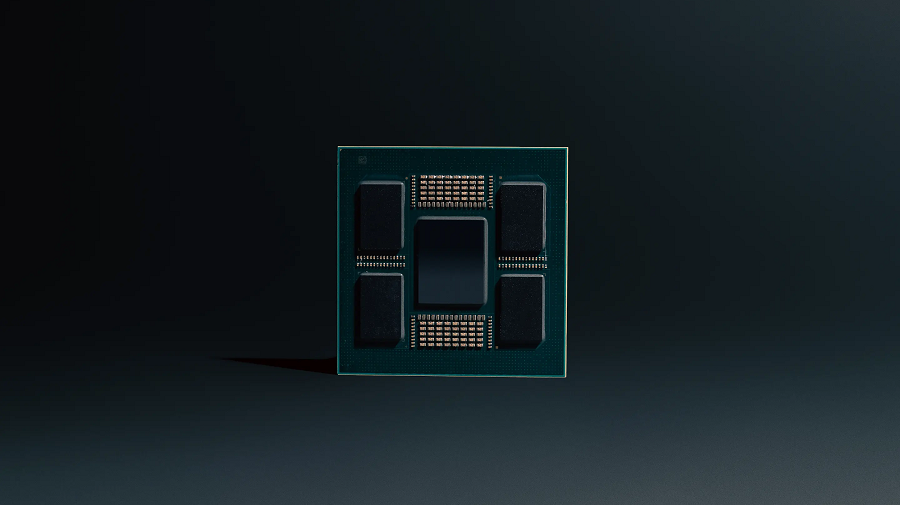
Cerebras builds a single-wafer processor design, the Wafer Scale Engine, that emphasizes on-chip memory capacity and fabric bandwidth to reduce memory-bound stalls during large-model inference. The architecture trades the chiplet/GPU cluster model for a monolithic wafer approach, which aims to remove off-chip memory bottlenecks and lower end-to-end latency for batch and low-latency inferencing. Practitioners should note:
- •The company markets WSE as optimized for inference at scale, prioritizing sustained throughput and latency rather than peak floating-point training throughput.
- •Public figures tied to the OpenAI agreement include delivery of roughly 750 megawatts of inference capacity, described in some filings and analyses as worth $10B+, with other outlets reporting up to $20B in total program value; precise revenue recognition terms and timing will appear in the updated S-1.
- •Recent financial disclosures cited fiscal 2025 revenue near $510M and reported net income of $237.8M, marking a material shift from earlier loss-making periods.
Context and significance
This is a consequential bet on architecture-level differentiation in AI infrastructure. Nvidia's GPU ecosystem, software stack, and developer momentum remain dominant, but wafer-scale designs offer an alternative performance trade space, especially for high-memory, low-latency inference. The OpenAI and AWS relationships validate Cerebras at scale and materially reduce the single-customer concentration that plagued the 2024 S-1 when G42 accounted for most revenue. The company's strategy also signals a broader industry emphasis on vertical co-design: hardware vendors aligning with large model developers to tune both silicon and model stacks for deployment efficiency.
Business and risks
The IPO narrative leverages three threads: blue-chip commercial contracts, rapid top-line growth, and a strategic pivot toward AI cloud and recurring revenue. That said, execution risks remain meaningful. Manufacturing wafer-scale devices relies on external foundry and packaging partners; yield, supply constraints, and long lead times can magnify delivery risk. Valuation multiples incorporate expectations of continued outsized growth and cloud adoption; failure to disclose deal economics, or slippage in customer deployments, would pressure the public story.
What to watch
The updated S-1 filing and IPO roadshow documents for detailed revenue recognition on the OpenAI and AWS contracts, customer concentration metrics, backlog, gross margins, and capital expenditure plans. Also monitor published third-party benchmarks comparing WSE to Nvidia B200/H100-class alternatives on real-world inference workloads, and any public statements from OpenAI or AWS about integration and co-design timelines.
Bottom line
For ML engineers and infrastructure architects, Cerebras presents a credible alternative hardware stack that prioritizes memory and fabric scale for inference. The practical impact will depend on measurable performance/cost advantages on your target workloads, the company's ability to scale manufacturing, and transparent commercial terms from its marquee customers.
Key Points
- 1Major customer wins with OpenAI and AWS reduce prior revenue concentration, increasing credibility for Cerebras as a mainstream infrastructure supplier.
- 2Wafer-scale WSE architecture targets inference memory and bandwidth bottlenecks, offering latency and throughput advantages for large-model serving.
- 3IPO success depends on disclosed deal economics, manufacturing yields, and transition to recurring AI-cloud revenue, not just raw performance claims.
Scoring Rationale
This is a major financing and market-entry story with potential to reshape AI inference economics. The OpenAI and AWS agreements plus rapid revenue and profitability recovery make it highly relevant to practitioners planning inference deployments, though Nvidia retains entrenched software and ecosystem advantages.
Sources
Public references used for this report.
Practice interview problems based on real data
1,625 SQL & Python problems across 15 industry datasets — the exact type of data you work with.
Try 250 free problems