CEOs Flaunt Volume of AI-Generated Code
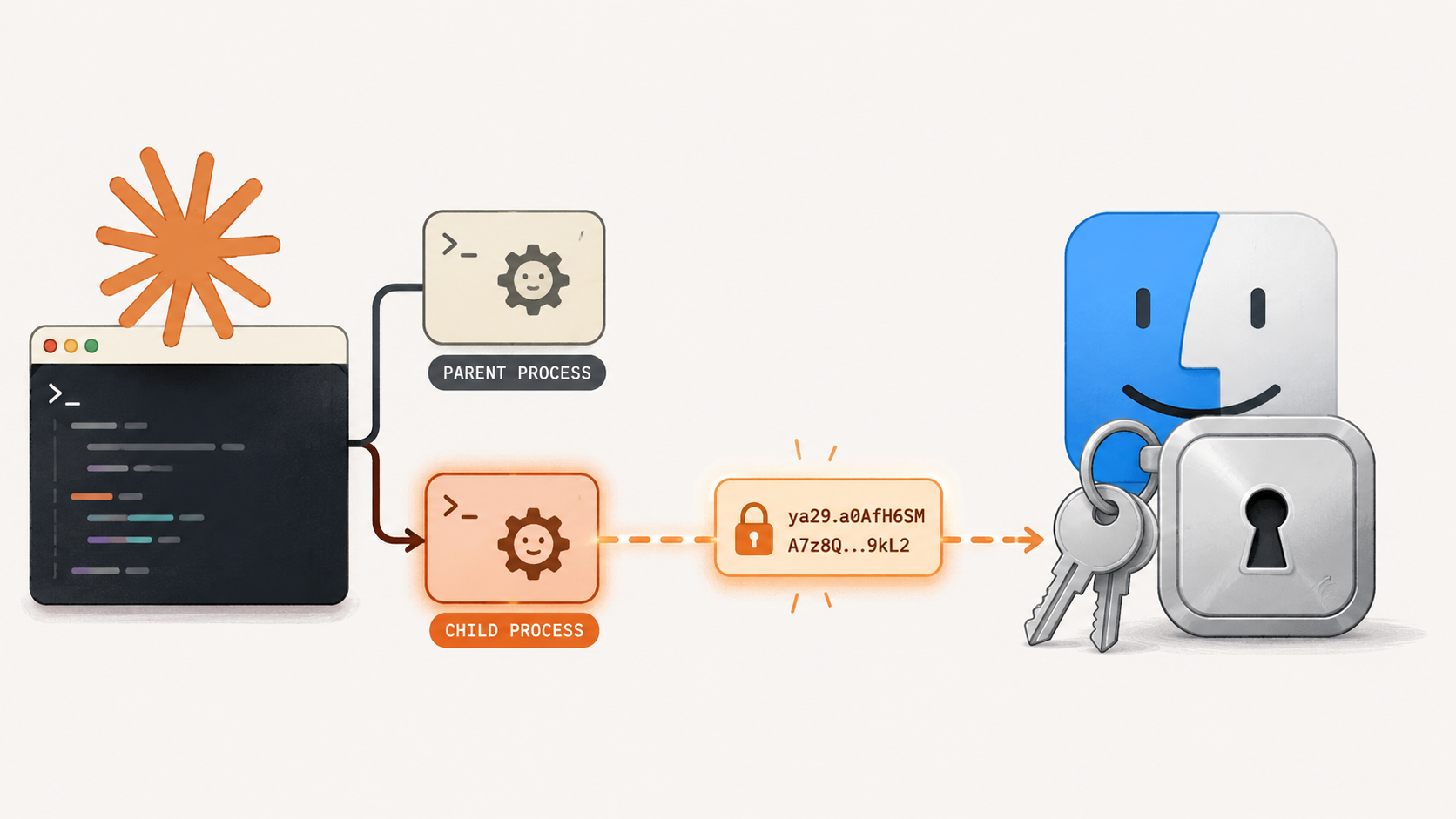
Business Insider reports that executives across tech and other industries are publicly citing metrics about how much code their companies generate via AI agents, including mentions of early adopters such as Anthropic, Meta, and Google. The article says the trend appears on earnings calls and in interviews, where leaders use AI-code volumes as a signal to investors and potential hires. Alex King, founder of AI talent firm ExpandIQ, is quoted telling Business Insider, "Visibly AI-forward companies attract the right talent profile needed to actually become an AI-centric company." Business Insider frames the shift as moving AI output metrics into executive communications and recruiting narratives.
What happened
Business Insider reports that CEOs and other executives increasingly tout statistics about how much code their companies ship that was produced or assisted by AI agents. The coverage cites Anthropic, Meta, and Google as early focal points for scrutiny, and finds the trend appearing on quarterly earnings calls and in interviews across sectors from fintech to streaming. Business Insider quotes Alex King, founder of ExpandIQ, saying, "Visibly AI-forward companies attract the right talent profile needed to actually become an AI-centric company."
Editorial analysis - technical context
Industry-pattern observations: Public claims about AI-produced code raise practical technical questions for engineering teams. Observers note that measuring "AI code volume" conflates multiple metrics - lines generated, scaffolding provided, and human-reviewed merges - and that raw volume does not capture correctness, test coverage, or long-term maintenance costs. Comparable reporting on developer productivity suggests organizations need instrumentation that links code provenance, CI results, and bug/issue lifecycles to judge value.
Context and significance
Editorial analysis
For practitioners, the rise of AI-output as an executive metric changes what signals matter externally but does not by itself define engineering quality. Industry reporting frames these claims as useful for recruiting and investor narratives, while also increasing pressure on teams to operationalize reproducible measurements. Companies and teams that publicize AI output will likely face scrutiny about how those numbers are produced, validated, and reflected in downstream reliability metrics.
What to watch
- •How organizations define and audit "AI-generated" versus human-authored code in source-control and CI tooling.
- •Whether recruiters and hiring managers begin using AI-output metrics in job descriptions or interview evaluation rubrics.
- •Signals from earnings transcripts and investor Q&A on whether executives provide standardized, verifiable metrics for AI productivity.
Business Insider is the source for the reporting summarized here. The piece frames an observable communications trend without providing a standardized measurement methodology for the quoted metrics.
Key Points
- 1Executives increasingly quote AI-generated code metrics on earnings calls, turning internal engineering outputs into public performance signals.
- 2Industry-pattern: Metrics claiming AI-produced code often mask quality, test coverage, and maintenance trade-offs that practitioners must track.
- 3For practitioners, expect increased demand for reproducible instrumentation linking code provenance, CI results, and defect rates.
Scoring Rationale
This is a notable business and recruiting trend rather than a technical breakthrough. It matters for engineers and hiring teams because it affects what metrics companies publicize and how productivity is evaluated, but it does not change model or infrastructure fundamentals.
Practice interview problems based on real data
1,625 SQL & Python problems across 15 industry datasets — the exact type of data you work with.
Try 250 free problems