Cell Biology Reframes Understanding Of Cellular Functions
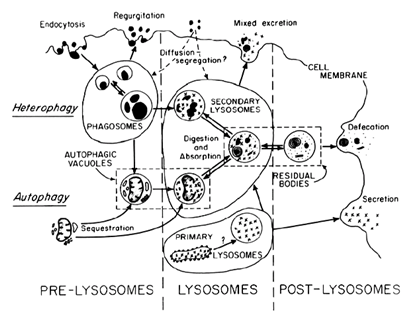
This article outlines the historical emergence and conceptual evolution of cell biology from the seventeenth century through the late twentieth century, emphasizing post‑World War II institutional consolidation (1955–1962) and integration with molecular biology by the 1970s–1990s. It highlights methodological drivers—electron microscopy and cell fractionation—debates over metaphors for the cell, and implications for linking structure, biochemistry, and context in research.
Key Points
- 1Traces cell biology's emergence from cytology, driven by electron microscopy and cell fractionation.
- 2Explains integration with molecular biology via shared methods, journals, and departmental naming since 1950s–1990s.
- 3Advises practitioners to link cellular structure, biochemical function, and environmental context when designing studies.
Scoring Rationale
Comprehensive, well-sourced historical synthesis drives score; limited methodological novelty and low relevance to core AI/ML/data-science audiences.
Practice interview problems based on real data
1,625 SQL & Python problems across 15 industry datasets — the exact type of data you work with.
Try 250 free problems