
Researchllm3d printingcarnegie mellonmanufacturing
Carnegie Mellon Uses LLMs to Correct 3D Prints
8.6
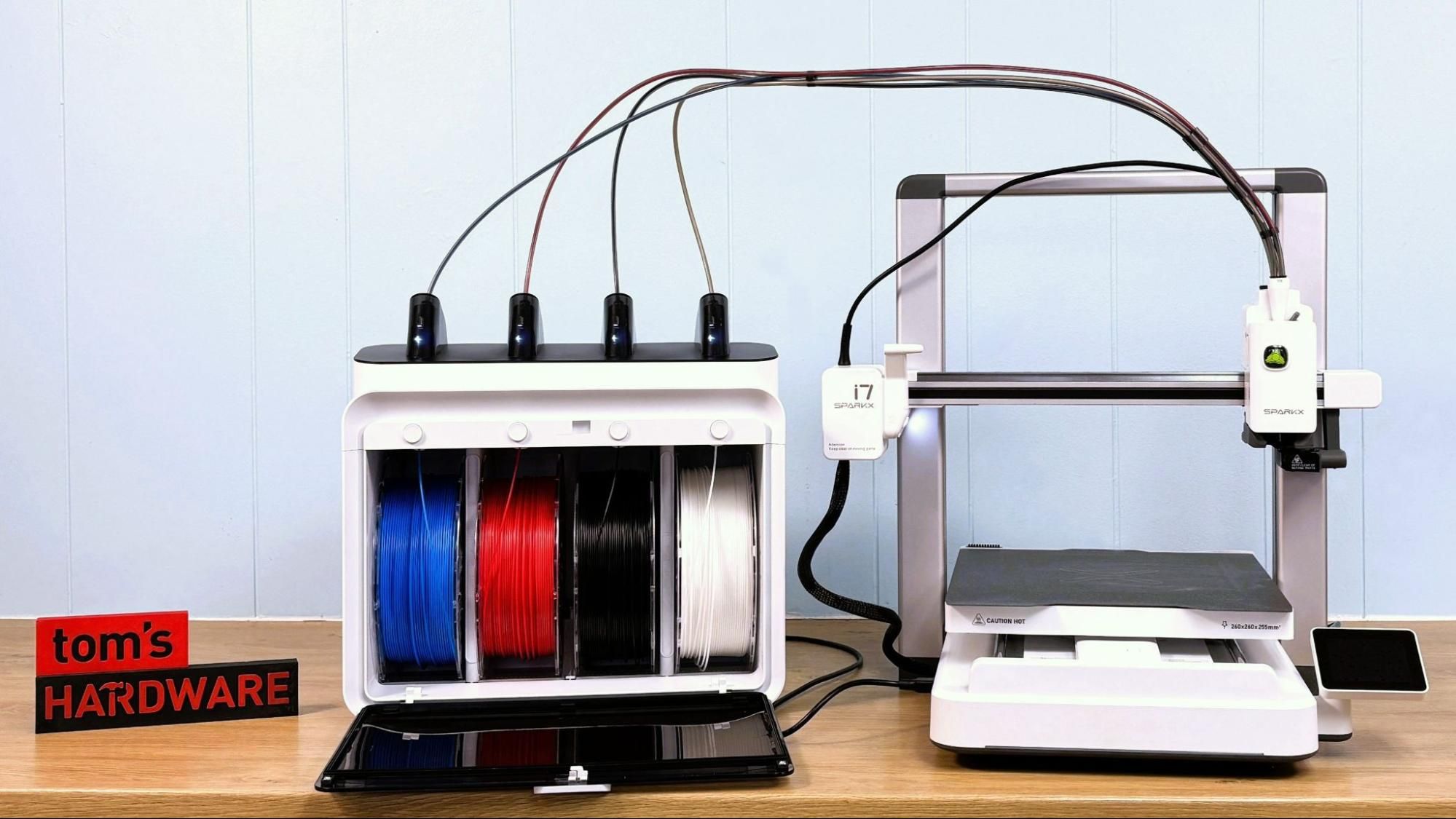
Carnegie Mellon University mechanical engineering researchers devised a system that uses multiple large language models to monitor and correct 3D printers in real time. The approach relies on base ChatGPT-4o plus domain-specific structured prompts rather than custom-trained models, addressing reported failure rates around 7% (Prusa3D) and aiming to reduce waste and improve manufacturing competitiveness.
Key Points
- 1Deploys multiple LLMs and real-time monitoring to detect and correct 3D printing errors
- 2Uses base ChatGPT-4o with structured domain prompts, avoiding costly custom model training
- 3Enables lower failure rates and easier deployment, improving manufacturing competitiveness and reducing waste
Scoring Rationale
Novel, implementable LLM-based control from a reputable lab, but reported results and quantitative validation are limited.
Sources
Public references used for this report.
Practice with real Logistics & Shipping data
90 SQL & Python problems · 15 industry datasets
Used by DS/ML engineers at top companies
High-Value Overnight OrdersEasyDelivered International ShipmentsMediumOn-Time Delivery Rate by CarrierHard
250 free problems · No credit card
See all Logistics & Shipping problems

