Call of the Sea Developer Limits AI to Prototyping
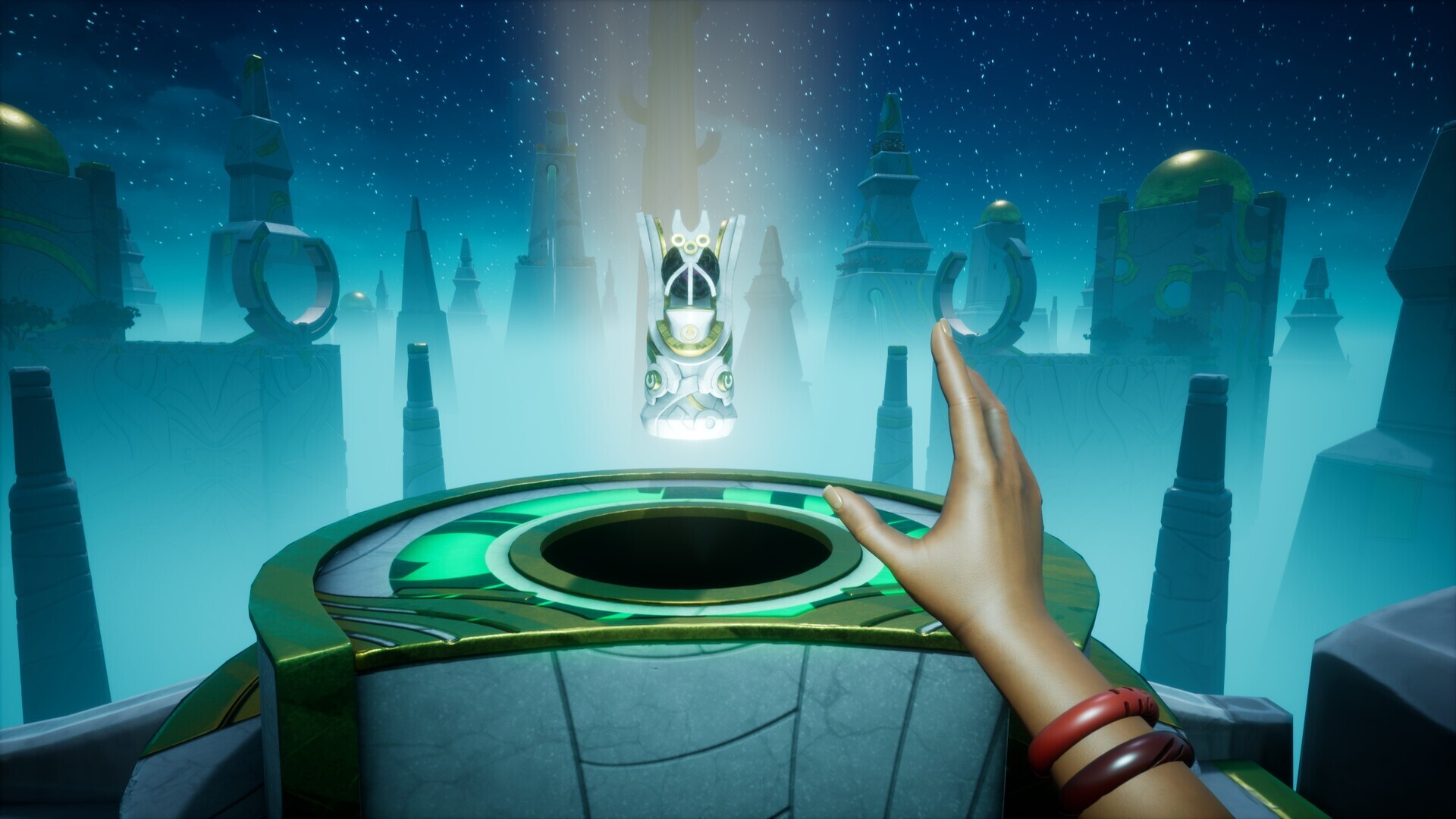
In an interview with Gamereactor, creative director Tatiana Delgado of Out of the Blue said the studio "didn't use AI during the production of Call of the Elder Gods or in the final game." Gamereactor reports the developer stated it sees artificial intelligence as "a useful tool when it comes to early-stage prototyping," but that it "wouldn't want to use it in anything that we ship to players." Gamereactor also reports that Call of the Elder Gods is scheduled to launch on May 12, 2026, for PC, PS5, Xbox Series X/S, and Switch 2.
What happened
In an interview published by Gamereactor, creative director Tatiana Delgado told the outlet that Out of the Blue "didn't use AI during the production of Call of the Elder Gods or in the final game." Gamereactor quotes the studio saying it considers artificial intelligence "a useful tool when it comes to early-stage prototyping," but "wouldn't want to use it in anything that we ship to players." Gamereactor also reports the game is scheduled to release on May 12, 2026, for PC, PS5, Xbox Series X/S, and Switch 2.
Industry-pattern observations - technical context
Game studios commonly apply generative and assistive AI tools to early creative tasks such as rapid concept art, level-blocking, idea exploration, and prototype scripting. These uses are attractive because they compress iteration loops and lower the cost of exploring multiple directions. At the same time, studios often cite control over final art direction, consistent visual style, and asset fidelity as reasons to keep human-led pipelines for production assets.
Editorial analysis
Reporting on studio- and project-level choices has consistently shown a spectrum of approaches in games: some teams integrate AI into final pipelines for animations, audio, or procedural content, while others restrict AI to preproduction. Industry tradeoffs include speed and experimentation versus quality control, IP provenance, and contributor attribution. Observers following the sector will note how those tradeoffs play out differently for indie narrative-driven titles versus large-scale live-service games.
What to watch
Look for any post-release developer commentary, patch notes, or credits that clarify whether tools were used for ancillary tasks (localization, QA, internal tooling) and whether the studio publishes guidelines on AI use or contributor credits. Changes in other studios' published policies will also help map evolving norms around AI in shipped game content.
Key Points
- 1Out of the Blue told Gamereactor it did not use AI in production or the final build of Call of the Elder Gods.
- 2Industry-pattern observation: Studios frequently use AI for early prototyping because it speeds iteration, but maintain human control for final assets.
- 3For practitioners: Public studio statements and post-release credits are the clearest signals of how AI tools are being adopted in shipped games.
Scoring Rationale
This is a niche but relevant developer stance on AI use in game production. It signals continuing diversity in studio policies but does not introduce new tools, research, or industry-wide mandates, so importance to ML practitioners is modest.
Practice interview problems based on real data
1,625 SQL & Python problems across 15 industry datasets — the exact type of data you work with.
Try 250 free problems