Brookfield Builds Backbone for AI Infrastructure
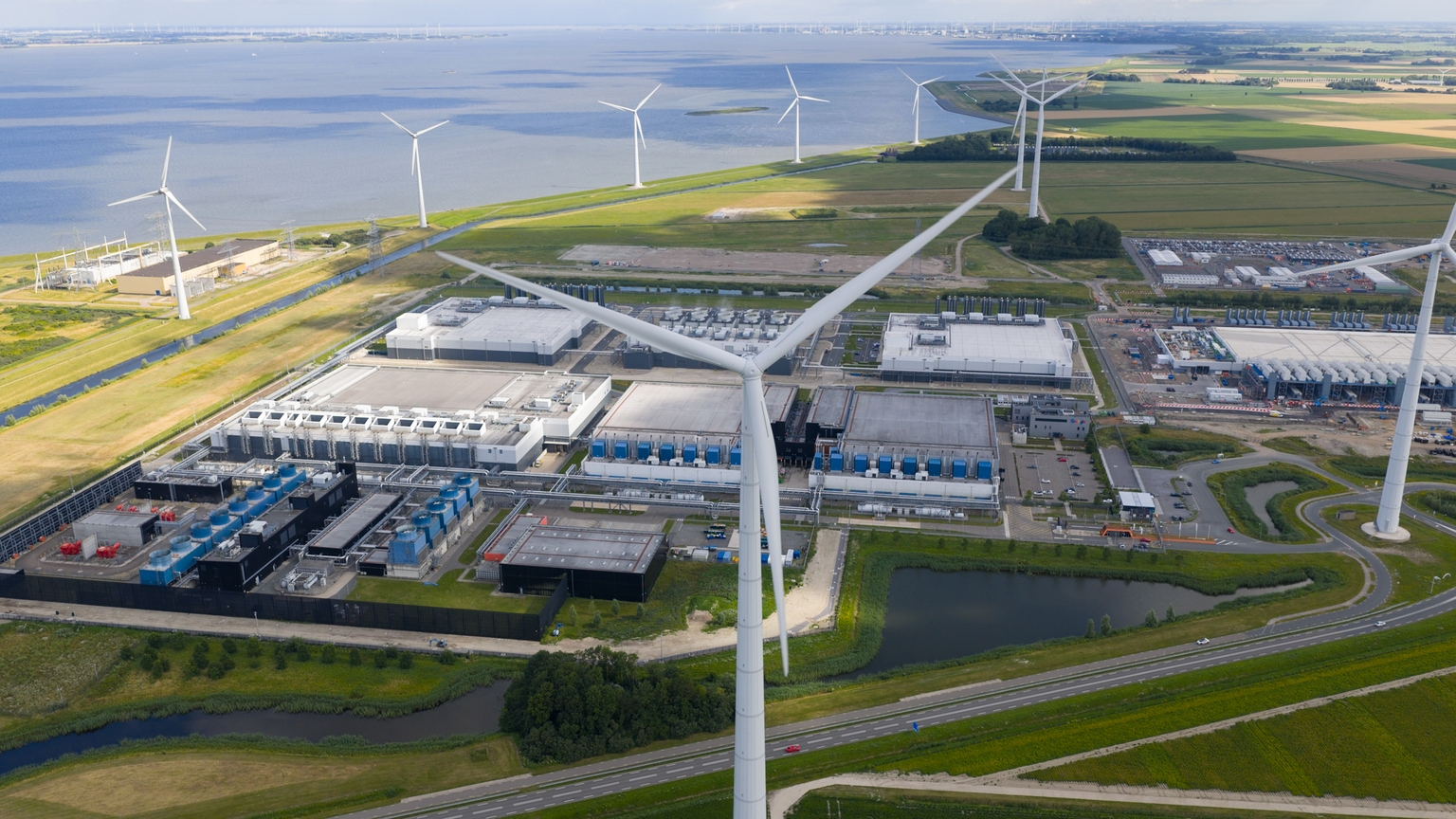
Brookfield Corporation is positioning itself as a critical AI infrastructure provider through three linked plays: selling renewable power to hyperscalers, developing and owning AI data-center real estate, and offering compute via its new subsidiary, Radiant. The company is also packaging AI-themed investment products through Brookfield Asset Management to capture institutional demand. Brookfield's scale, long-term contracts, and balance-sheet capacity let it absorb capital intensity and lock in customers, creating an infrastructure moat rather than competing on software. Key financial context: market cap $103.41B, recent share price about $45.80, PE 95.45, and trailing revenue growth at -12.48%. For practitioners, Brookfield's moves matter because they affect capacity, energy sourcing, and procurement options for large-scale model training and inference workloads.
What happened
Brookfield Corporation is assembling an AI infrastructure stack by combining renewable energy supply, purpose-built data-center real estate, and a compute-selling unit. The company is monetizing scale through contracted power sales to hyperscalers, developing and selling or leasing AI-optimized facilities, and distributing compute via its new subsidiary, Radiant. Brookfield's market metrics include a $103.41B market cap and a share price near $45.80.
Technical details
Brookfield's approach targets three layers simultaneously:
- •renewable-power provision to hyperscalers and cloud customers
- •construction, ownership, and sale/lease of high-power-density data centers
- •retailing compute capacity through Radiant and packaging AI-focused funds via Brookfield Asset Management
This multi-layer strategy addresses the two primary constraints for large AI workloads: power availability and colocated facility capacity. For practitioners, the relevant technical signals are power density, PUE and sustainability guarantees, geographic distribution for latency, and whether compute offerings are raw racks, colocated pods, or managed cluster services.
Context and significance
The AI ecosystem is increasingly infrastructure-bound: model scale drives demand for specialized sites, predictable power contracts, and bespoke cooling and electrical systems. Brookfield's balance-sheet-centric model aligns with the capital intensity of hyperscale infrastructure and reduces execution risk versus pure-play operators. Because Brookfield focuses on infrastructure rather than proprietary models, its exposure is more aligned with demand growth for training and inference capacity than with software commodification cycles. That said, the offering mix matters: selling physical assets to cloud providers is different commercially from offering on-demand compute through a subsidiary; each has different margin profiles, contractual durations, and operational complexity.
What to watch
Monitor contract terms with hyperscalers, the productization of Radiant's compute (colocation vs managed cloud), and capacity rollout cadence. Pay attention to power-purchase agreements, site permits, and any partnership announcements with major cloud providers, as those will determine how directly Brookfield affects practitioner-level procurement and cost of training large models.
Key Points
- 1Brookfield combines renewable power, data-center real estate, and compute sales to capture multiple revenue streams from AI demand.
- 2Infrastructure focus creates a capital-intensive but defensible moat, reducing exposure to software commodification risks.
- 3Radiant and AI funds convert physical capacity into market-facing products, affecting cloud procurement options and sustainability for model training.
Scoring Rationale
Brookfield's multi-layer infrastructure push is notable for practitioners because it shapes capacity, energy sourcing, and procurement options for large AI workloads. The story is not a frontier-model or regulatory event, so it rates as a notable infrastructure development rather than industry-shaking news.
Practice interview problems based on real data
1,625 SQL & Python problems across 15 industry datasets — the exact type of data you work with.
Try 250 free problems