
Bengaluru Airport Deploys AI Airside Safety System
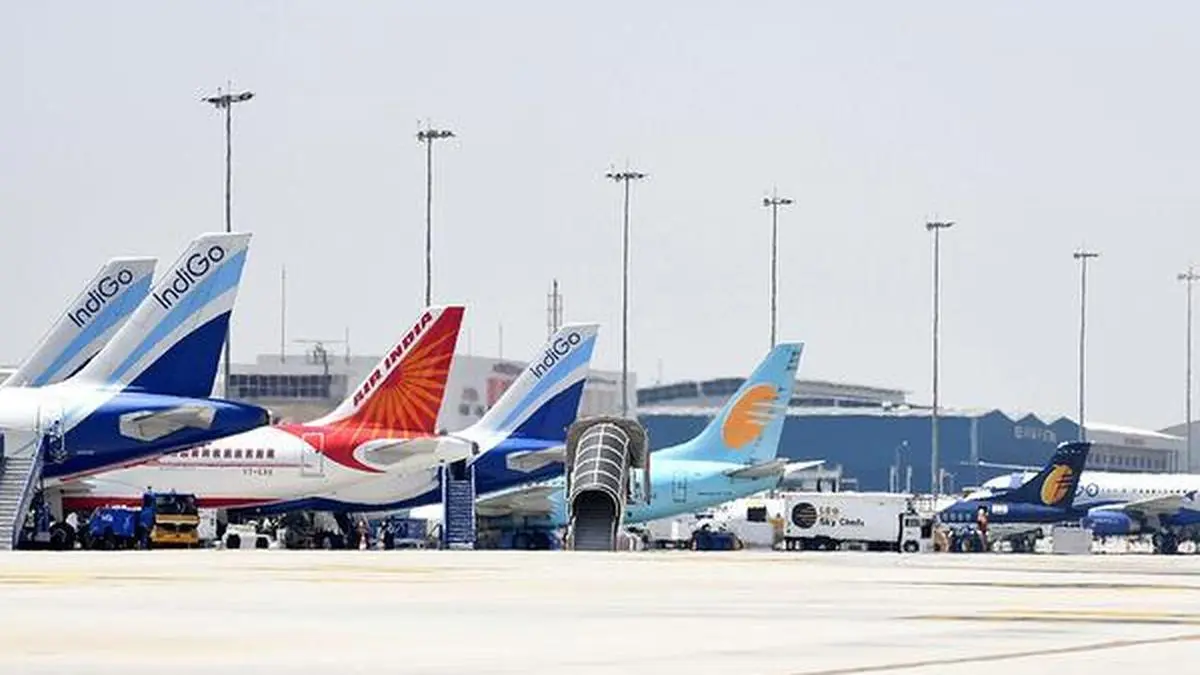
BusinessNewsThisWeek reports that Bangalore International Airport Limited (BIAL) has introduced an integrated Smart Airside Safety System at Kempegowda International Airport. The system combines AI-based computer vision, intelligent automation, and a centralised monitoring platform to improve safety at critical cross-service roads where aircraft and ground vehicles operate in close proximity, BusinessNewsThisWeek and The Hindu report. Times of India reports the system can automatically trigger inset warning lights to prioritise aircraft movement and reset signals once a path is clear. PTI and Hindustan Times also reported on the rollout and its goal of improving right-of-way management and situational awareness.
What happened
BusinessNewsThisWeek reports that Bangalore International Airport Limited (BIAL) has introduced an integrated Smart Airside Safety System at Kempegowda International Airport. The rollout uses AI-based computer vision, intelligent automation and a centralised monitoring platform to oversee critical cross-service roads where aircraft and ground-support vehicles interact, BusinessNewsThisWeek and The Hindu report. Times of India reports the system can automatically trigger inset warning lights to prioritise aircraft movement and reset signals when the path is clear. PTI and Hindustan Times also covered the deployment, noting the system's aim to strengthen right-of-way management and situational awareness.
Technical details
BusinessNewsThisWeek and The Hindu describe the package as combining camera-based detection, automated signalling logic and a centralised operations interface. Times of India adds that the automation includes automatic inset warning lights and signal resets; outlets do not publish model names, vendors, or latency/availability metrics for the deployed components. No source in the scraped reporting provides vendor contracts, model architectures, or performance benchmarks.
Industry context
Operational significance
What to watch
Editorial analysis
Airports adopting comparable systems typically integrate low-latency video feeds, edge inferencing for object-detection/tracking, and deterministic signalling logic to reduce human-in-the-loop delays. Such deployments commonly require calibrated camera placements, resilient connectivity, and formal safety-validation to operate in adverse light and weather conditions.
For operators and practitioners, automating right-of-way signalling at airside intersections reduces manual signalling load and can shrink the time window for potential incursions. That benefit depends on the reliability of computer-vision under occlusion, weather, and mixed vehicle/airframe sizes, as well as integration with existing airside operations workflows.
Observers should look for follow-up reporting or procurement notices that disclose the system vendor, model-level performance (false-positive/false-negative rates), network and edge-hardware specifications, and any civil-aviation authority validation. Monitoring incident logs or operational metrics released by BIAL will be the clearest indicators of safety and throughput impact.
Key Points
- 1Integrated AI computer-vision and automation aims to reduce right-of-way conflicts at airside intersections, improving situational awareness.
- 2Real-time automation of inset warning lights and signal resets lowers human latency in aircraft-ground coordination, contingent on vision reliability.
- 3Operational deployments increase demand for robust camera coverage, low-latency networks, and safety validation under varied weather and occlusion scenarios.
Scoring Rationale
This is a notable, applied AI deployment in critical infrastructure that matters to practitioners building computer-vision and real-time automation systems. It is not a frontier research release, but it highlights production challenges for reliability, latency and safety validation in operational environments.
Sources
Public references used for this report.
Practice interview problems based on real data
1,625 SQL & Python problems across 15 industry datasets — the exact type of data you work with.
Try 250 free problems

