Basic Income Roots Explain AI-Driven Dispossession
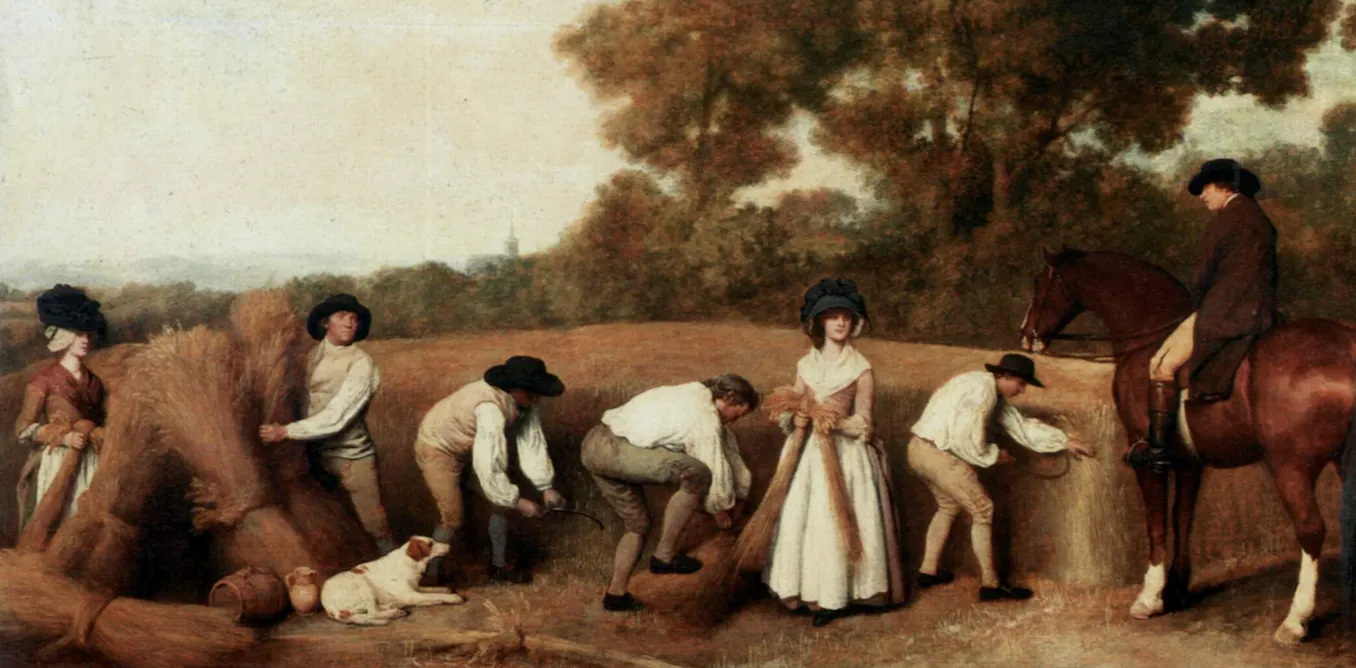
An analysis published March 30, 2026 argues that current interest in basic income stems from historical dispossession rather than solely from automation-driven job losses. It links 18th-century English land enclosures and Thomas Spence’s early proposals to modern concerns about AI "expertise theft," citing a February 2026 paper by MIT economists. The piece frames basic income as potential restitution for appropriated communal resources, influencing policy debates.
Key Points
- 1Connects modern basic income interest to 18th-century English enclosures and dispossession of commons.
- 2Cites Feb 2026 MIT economists' paper warning that AI systems scrape and monetize shared human knowledge.
- 3Suggests framing basic income as restitution for lost commons may reshape policy debates and redistribution.
Scoring Rationale
Fresh analysis (published today) credibly links historical enclosures to modern AI 'expertise theft' and basic income debates, giving high scope, credibility, and relevance. Novelty is moderate because it's interpretive rather than a technical breakthrough; actionability is limited by lack of concrete policy prescriptions.
Practice interview problems based on real data
1,625 SQL & Python problems across 15 industry datasets — the exact type of data you work with.
Try 250 free problems