Barnes & Noble CEO Supports Selling AI-Written Books
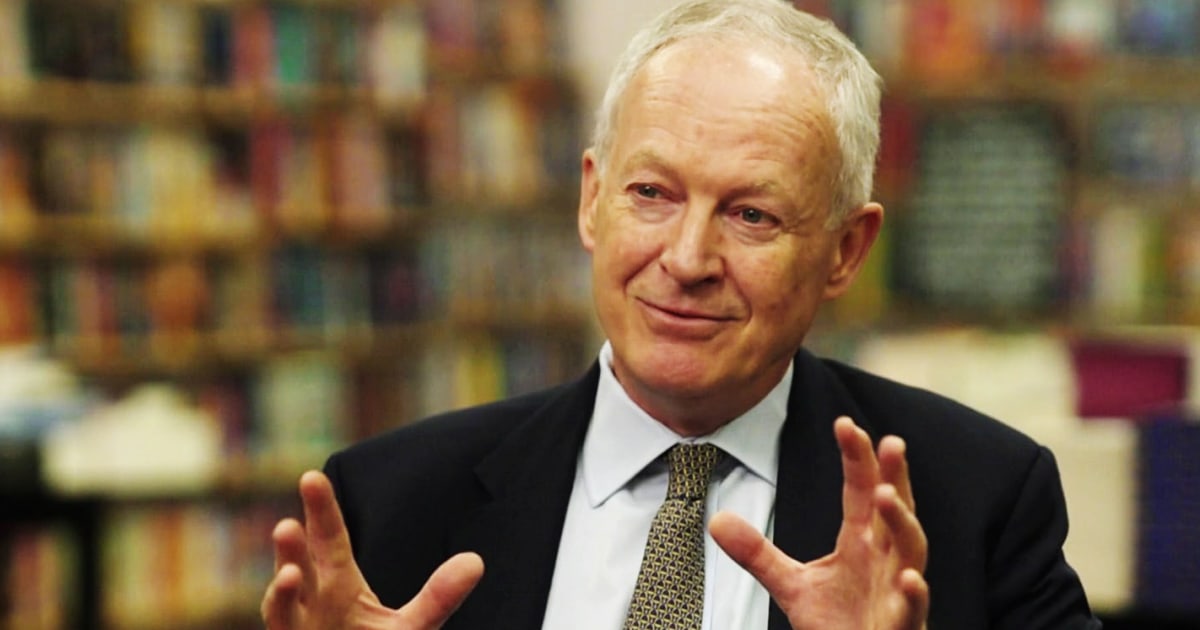
NBC News and TODAY report that Barnes & Noble CEO James Daunt expressed support for selling AI-written books in the retailer's stores, saying he is not worried about the technology. Both outlets note Daunt has overseen a recent resurgence at the chain and took the role in 2019; the NBC piece notes the chain opened 67 new locations last year. The coverage frames his stance as pragmatic rather than alarmist, highlighting retailer willingness to carry new forms of content. Reporting does not provide a direct corporate policy change or detailed rollout plan from Barnes & Noble; the statements appear in interviews discussing industry change and the companys broader revival, per NBC News and TODAY.
What happened
NBC News and TODAY report that Barnes & Noble CEO James Daunt expressed support for selling AI-written books in the chain's stores and said he is not worried about the technology, according to interviews published May 18, 2026. Both outlets note Daunt became CEO in 2019; the NBC piece notes the chain opened 67 new locations last year, details included in the coverage.
Editorial analysis - technical context
Industry observers note that "AI-written books" is a broad label covering everything from short-form automated content to longer works produced with large language models. For practitioners, this raises concrete technical needs around provenance metadata, document-level attribution, and tooling to detect or label machine-generated text for discovery, moderation, and rights workflows.
Industry context
Reporting places Daunt's comments alongside a broader pattern of retailers and platforms confronting generative-AI content in consumer markets. Industry publications have documented parallel debates among publishers, authors, and platforms over copyright, attribution, and quality control; the NBC News and TODAY pieces frame Daunt's view as one retailer executive perspective within that larger debate.
What to watch
For observers, the key indicators will be whether booksellers adopt standardized metadata tags for AI-generated content, whether publishers or rights holders demand disclosure or licensing terms, and whether consumer labeling policies appear at scale. Reporting to date does not include a Barnes & Noble corporate policy document or a quoted company announcement regarding classification, pricing, or shelf placement for AI-generated titles.
For practitioners
Editorial analysis
teams building ingestion pipelines, bookstore discovery systems, and publisher metadata schemas should prepare for requests to record provenance fields, content origin tags, and licensing metadata. Legal and rights-management teams may increasingly need mechanisms to verify authorship claims and to store evidence of content generation lineage.
Limitations
The interviews reported by NBC News and TODAY summarize Daunt's stance but do not include a published company policy or a verbatim corporate plan to change inventory practices. Neither outlet published a corporate press release announcing a formal rollout of AI-authored titles in stores.
Key Points
- 1NBC News and TODAY report Barnes & Noble CEO James Daunt supports selling AI-written books in stores, per May 18, 2026 interviews.
- 2Retail acceptance of AI-generated titles increases pressure on discovery, provenance, and rights-management systems across the publishing supply chain.
- 3Practitioners should expect demand for metadata standards, content-origin tags, and verification tooling as AI-authored content scales.
Scoring Rationale
This is a notable industry signal because a major retailer's CEO publicly expressed openness to selling AI-authored books, which matters for publishers, metadata providers, and rights teams. The story is not a technical breakthrough but affects deployment, discovery, and legal workflows.
Sources
Public references used for this report.
Practice with real Retail & eCommerce data
90 SQL & Python problems · 15 industry datasets
250 free problems · No credit card
See all Retail & eCommerce problems