
Banks Report Q1 Earnings Amid War, AI Disruption
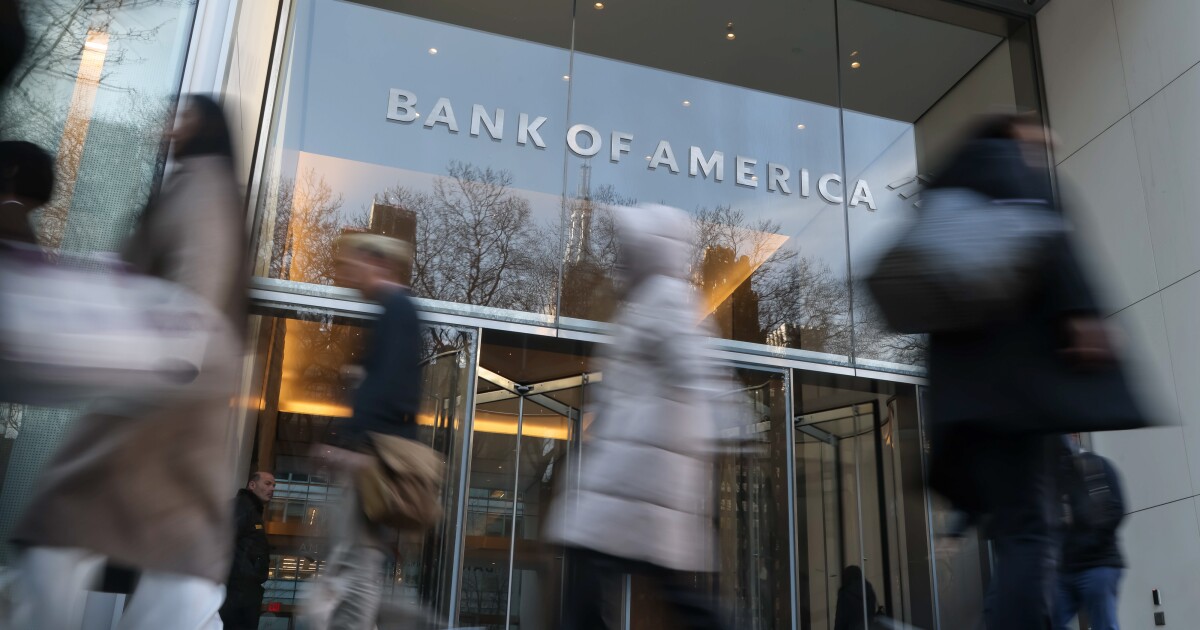
Major U.S. banks including Goldman Sachs, Bank of America, and JPMorgan Chase report first-quarter results this week. Market attention is split between near-term macro shocks from the U.S. and Israeli attacks on Iran, which occupied roughly one month of the quarter, and rapid operational change driven by AI adoption. Expect executives to use earnings calls to discuss early signs of consumer stress, deposit flows, trading revenue, credit performance, and how AI is reshaping costs, controls, and cybersecurity posture. The piece also flags proposals for more frequent reporting and suggests blockchain-based real-time accounting as a long-run option for transparency.
What happened
Major U.S. banks, led by Goldman Sachs, Bank of America, and JPMorgan Chase, are publishing first-quarter earnings this week. The quarter included roughly one month of U.S. and Israeli strikes on Iran, while banks accelerated deployments and risk assessments around AI. Management commentary on earnings calls will be the main source of early signal about both geopolitical shock transmission and AI-driven operational shifts.
Technical details
Banks do not yet show clear P&L fingerprints from the Iran strikes in early Q1, so expect qualitative disclosures rather than hard numbers. On the technology side, banks are focusing on productionizing models, scanning for software vulnerabilities, and integrating AI into front-office analytics, compliance, and back-office automation. Key practitioner topics include model governance, vendor and cloud risk, and cybersecurity posture as AI expands attack surfaces. The piece also revisits the idea of moving from quarterly to more frequent reporting enabled by blockchain or automated timestamped ledgers.
Context and significance
This earnings season is a practical test of two converging dynamics. Geopolitics can transmit quickly to consumer behavior, credit metrics, and market volatility, but those effects often appear first in management commentary rather than headline earnings. Simultaneously, banks are in the middle of a technology transition where AI changes cost structures and operational risk profiles. For practitioners, that means spending will shift from traditional IT projects to data, MLOps, and security tooling, while regulators and auditors will push for clearer model risk frameworks.
What to watch
- •Credit-card delinquencies and consumer loan charge-off trends, as early indicators of consumer stress - Deposit flows and wholesale funding costs, which signal investor and depositor confidence - Trading and investment-banking revenue, sensitive to geopolitical volatility - Technology and professional-services spend, especially on AI, cloud, and security - Management commentary on model validation, vendor risk, and incident response capabilities
Bottom line
Earnings calls will be more valuable than headline numbers this quarter. Practitioners should parse disclosures for actionable signals on credit quality, funding, and how banks are operationalizing AI and hardening software and model governance.
Key Points
- 1Earnings calls will be the main source of insight on the Iran conflict's consumer impact, not P&L lines yet.
- 2AI is shifting banks' operating models, increasing spending on MLOps, model governance, and cybersecurity controls.
- 3Proposals for more frequent reporting and blockchain-based ledgers could pressure banks to automate accounting and transparency.
Scoring Rationale
This is a notable story because quarterly bank disclosures will reveal early signals on consumer stress from the Iran conflict and on the operational effects of AI. It matters to practitioners monitoring credit, funding, and model-risk trends, but it is not a frontier-technology shock or landmark regulatory event.
Practice with real Banking data
90 SQL & Python problems · 15 industry datasets
250 free problems · No credit card
See all Banking problems


