
Bangladesh Cop Alters Suspect Jersey Using AI
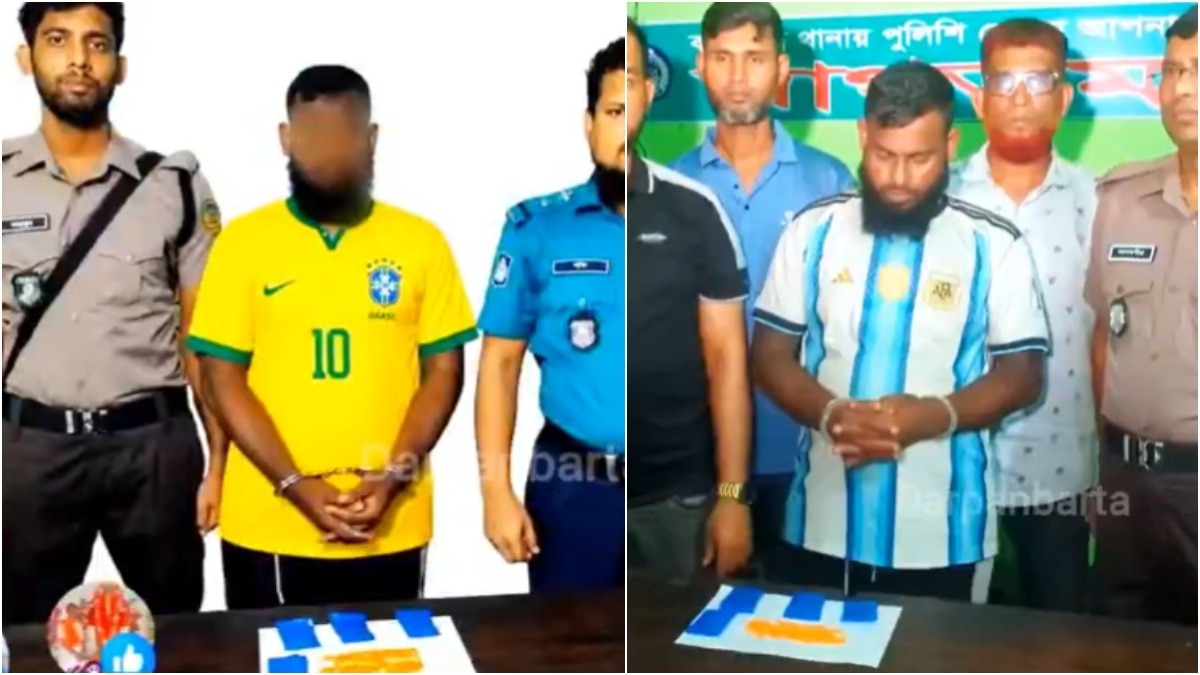
Low-cost AI image editors can produce convincing edits that undermine trust in official photos and raise verification burdens for newsrooms and forensics teams. The Daily Star reports that SI Tanzil Ahmed of the Barishal Metropolitan Police (BMP) used AI to replace an Argentina jersey with a Brazil jersey on an arrest photo of drug suspect Russel Hawlader, 35, then circulated the altered image to journalists via the BMP media WhatsApp group and email. BMP Commissioner Md Ashik Sayeed told The Daily Star that Tanzil claimed he acted to generate public attention amid excitement over Brazil's World Cup campaign; Bangla Press quotes the SI calling it a prank. BMP withdrew the photo, redistributed the original, served the officer a show-cause notice, and removed him from media duties.
For practitioners, this episode underscores how accessible image-editing AI can interfere with evidentiary images and official media workflows, increasing the need for automated provenance checks, metadata preservation, and rapid forensic triage.
What happened - According to The Daily Star, officers arrested Russel Hawlader, 35, on June 29 and recovered 800 yaba tablets during an operation in Mohammadpur Colony, Barishal. At arrest, Hawlader was wearing an Argentina jersey, which police turned inside out before photographing him. Multiple local outlets report that SI Tanzil Ahmed, who worked in the BMP media wing, then used AI-based editing to digitally replace the Argentina jersey with a Brazil jersey, and circulated the altered image to journalists via the BMP media WhatsApp group and email.
Motive and response - Accounts of the SI's motive differ between sources. BMP Commissioner Md Ashik Sayeed told The Daily Star that Tanzil admitted to altering the image "claiming he believed the edited photo could generate public attention and discussion amid excitement over Brazil's World Cup campaign." Bangla Press quotes the SI calling the edit "a prank" and expressing regret. BMP withdrew the altered image, redistributed the original photograph, served the officer a show-cause notice, and removed him from his media-group duties, The Daily Star reports.
Technical context - Readily available tools can perform targeted edits such as clothing swaps with little technical effort, especially on single-subject, front-facing photos. Newsrooms and civil-forensics teams increasingly rely on automated provenance signals (cryptographic hashes, signed metadata, and tamper-detection models) to flag suspicious imagery. For practitioners building verification pipelines, weak points include messaging-platform redistribution (WhatsApp strips some metadata) and copying-and-resaving workflows that destroy original EXIF and file hashes.
Operational implications - Preserving a verifiable chain-of-custody requires capturing and storing the original capture device file, logging transfer steps, and embedding immutability checks at each handoff. Digital-forensics practitioners recommend hashed archival of original files, cryptographic signatures where possible, and rapid-use detection tools that surface edits through inconsistencies in lighting, texture, and compression patterns.
LDS note: Reporting is drawn from The Daily Star, Jagonews24, and Bangla Press. None of the sources provide evidence about the specific AI tool used.
Key Points
- 1Accessible image-editing AI lowers the effort required to manipulate official photos, increasing verification workload for newsrooms and forensics teams.
- 2Messaging platforms such as WhatsApp are weak links in evidentiary chains; they often strip metadata and accelerate circulation of altered images before corrections reach recipients.
- 3Preserving original capture files with cryptographic hashing and deploying automated tamper-detection are practical defenses for organizations handling sensitive imagery.
Scoring Rationale
Localized law-enforcement misuse incident with clear practitioner implications for evidentiary image integrity and verification workflows. Moderate AI/DS relevance; broadly concrete but geographically narrow.
Sources
Public references used for this report.
Practice with real Ad Tech data
90 SQL & Python problems · 15 industry datasets
250 free problems · No credit card
See all Ad Tech problems
