
AWS Details EC2 Evolution for Agentic AI
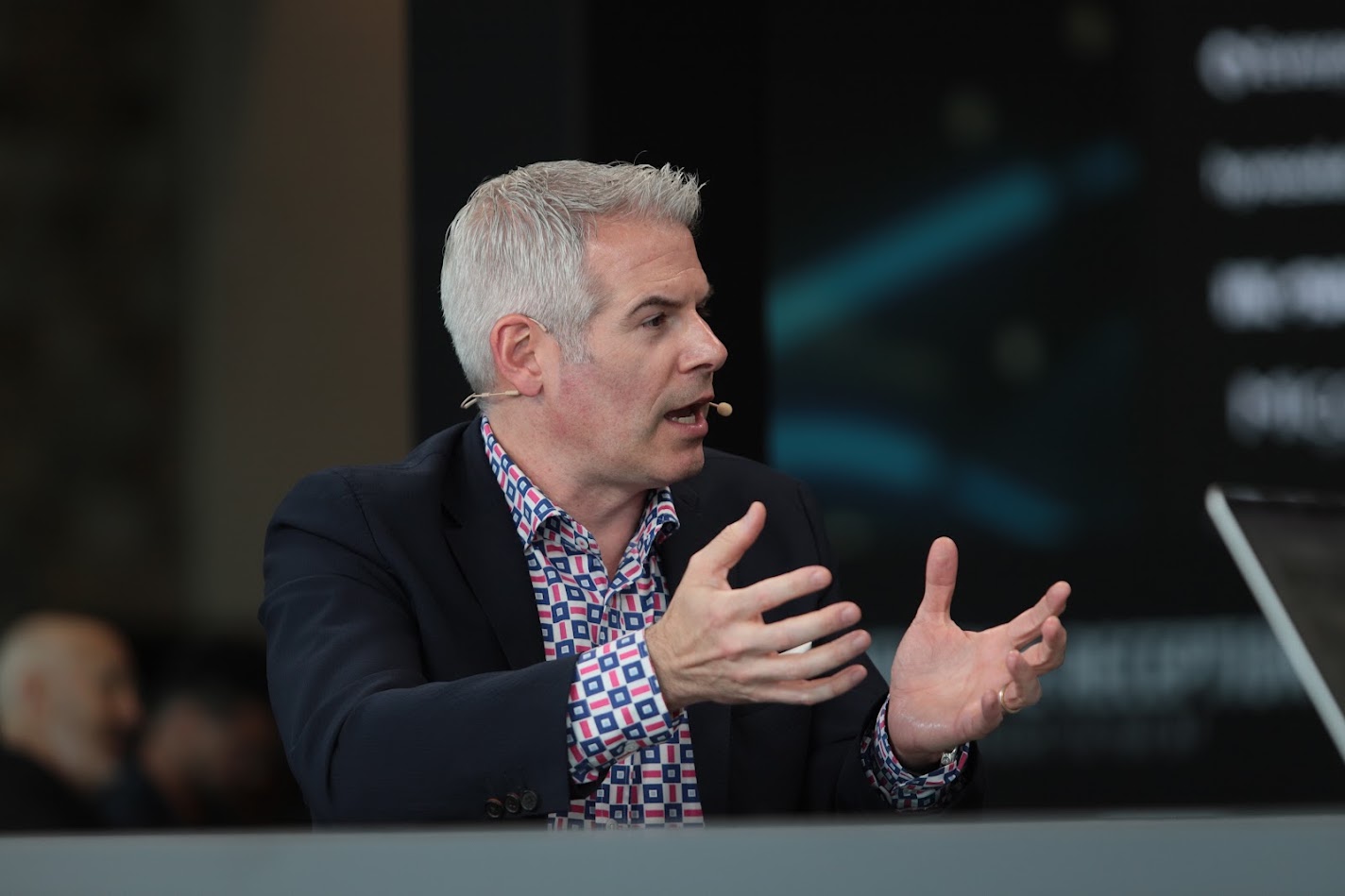
Art Baudo, AWS's EC2 product marketing head, described on July 25 how agentic AI, physical AI, inference, and high-performance computing are expanding cloud compute demand. He highlighted AMD-based EC2 instances, the Nitro system, and price-performance improvements, while AMD's event catalog lists him as an AWS speaker at its July 22 Advancing AI session.
AWS EC2 product marketing head Art Baudo described growing demand for cloud compute from agentic AI, physical AI, AI inference, and high-performance computing during a SiliconANGLE interview published July 25. The outlet reported that customers are using AMD-based EC2 instances for inference alongside traditional HPC workloads.
"As that performance has gone up, so has the price performance that we've delivered to customers," Baudo said in the interview. "With AI taking off, we're seeing people use it in multiple different spaces across the industry and across the instance types as well."
Baudo appeared in SiliconANGLE's coverage of AMD's Advancing AI event. AMD's event catalog identifies him as AWS principal product marketing manager and head of EC2 product marketing, and lists a July 22 session on secure, reliable, scalable, and cost-efficient cloud infrastructure for enterprise and AI workloads.
AMD instances and EC2 architecture
According to SiliconANGLE, AWS introduced AMD EPYC processors to EC2 in 2018 and has shipped subsequent processor generations. The report describes newer high-frequency instances with 5 GHz clock speeds and expanded memory configurations for workloads requiring high compute throughput and rapid data access.
Baudo told SiliconANGLE that price-performance optimization remains a continuous focus for AWS, including on AMD instances. The report also identifies AWS Nitro as the architectural foundation for EC2's security and performance model.
What the workload mix means
The reported emphasis is notable because agentic systems can combine inference serving with orchestration, tool execution, data access, and latency-sensitive application components. Physical AI workloads, a broad term commonly used for robotics and systems interacting with the real world, can similarly involve simulation, training, inference, and data-processing stages with different infrastructure requirements.
Across comparable deployments, infrastructure teams typically evaluate these stages separately rather than treating "AI" as a single compute profile. CPU instance selection, memory capacity, network behavior, accelerator availability, and isolation architecture can each materially affect cost and operational performance. The interview documents AWS framing its existing compute portfolio around a wider range of AI-related workloads.
Key Points
- 1SiliconANGLE reports AMD-based EC2 instances are serving AI inference alongside HPC, broadening the workload mix discussed for general-purpose cloud compute.
- 2The coverage highlights price performance and Nitro-backed security as EC2 themes, which matter when teams compare CPU infrastructure for AI-adjacent workloads.
- 3Comparable agentic and physical AI deployments often require separate sizing for inference, orchestration, simulation, memory capacity, and latency-sensitive services.
Scoring Rationale
The story offers useful infrastructure context for practitioners selecting CPU-based cloud capacity for inference, HPC, and emerging agentic workflows. Its immediate operational impact is limited because the coverage focuses on workload demand, instance evolution, and architecture rather than a new product release or benchmark.
Sources
Primary source and supporting public references used for this report.
Practice interview problems based on real data
1,625 SQL & Python problems across 15 industry datasets — the exact type of data you work with.
Try 250 free problems

