Autonomous Driving Strains EV Battery Range
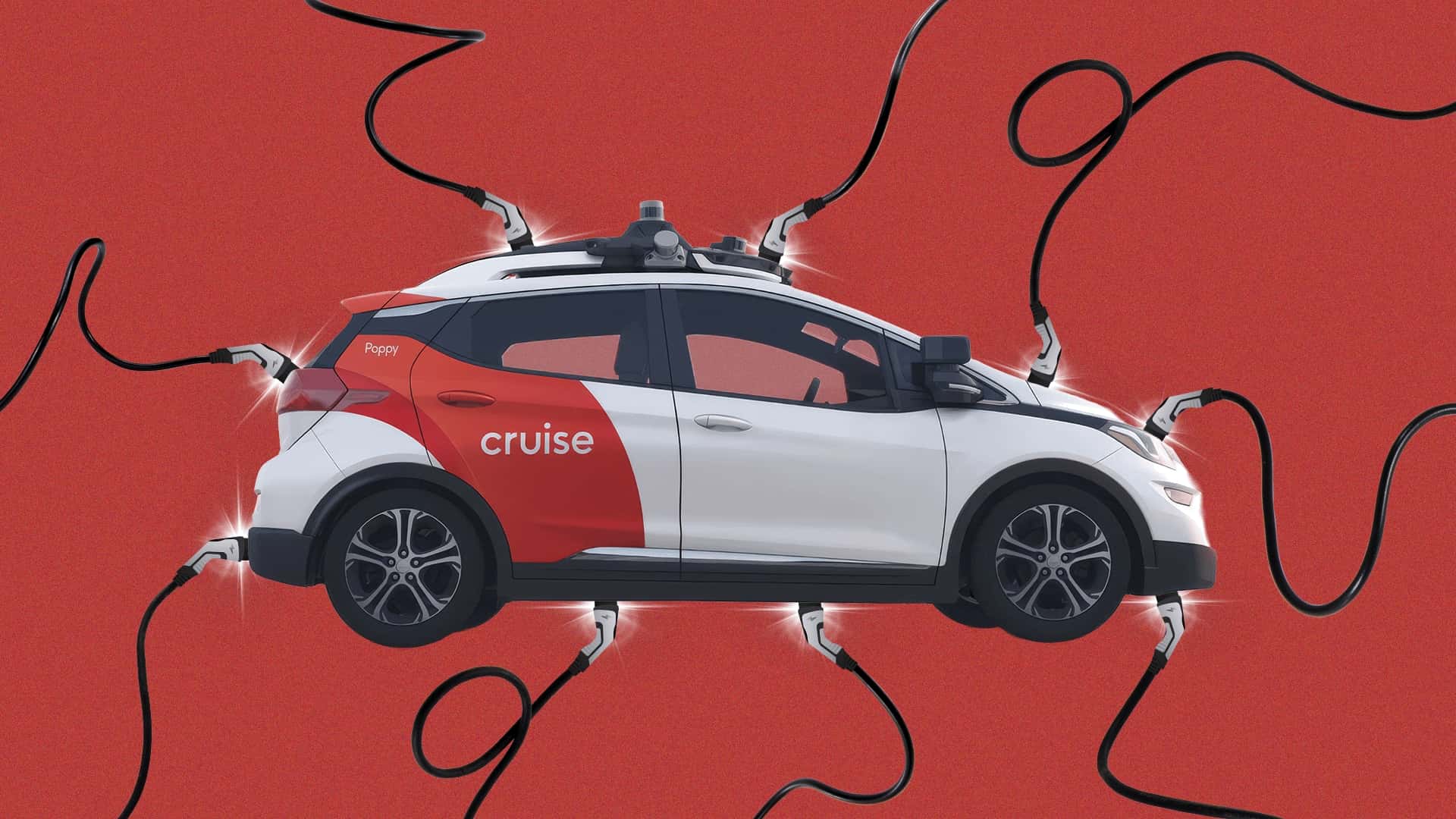
InsideEVs reports that modern autonomous and semi-autonomous driving systems consume significant electricity for sensing, data transmission, training, and onboard compute. The article notes that, taken to an extreme, such and widespread autonomy could use more energy than all global data centers consumed in 2023, per InsideEVs. InsideEVs also reports there are currently fewer than 7,000 self-driving taxis in the U.S. and China, and cites projections that companies such as Uber could deploy 700,000 to 3,000,000 robotaxis by 2035. Kay Stepper, Lucid Motors' vice-president of ADAS and autonomous driving, is quoted saying "autonomy directly impacts your range and miles-per-charge, and also how often you have to recharge" and "We're seeing an exponential increase in memory and compute demands." Editorial analysis: For fleet operators, the article argues the math can work today; for personal EV owners, expect notably higher range loss from continuous autonomy workloads.
What happened
InsideEVs reports that autonomous and semi-autonomous driving systems add substantial energy demand to electric vehicles because of continuous sensing, data transmission, model training and powerful onboard compute and sensor suites. The article states that, taken to a theoretical extreme in which every vehicle is autonomous, autonomy-related energy use could exceed the energy consumed by all the world's data centers in 2023, per InsideEVs. InsideEVs reports there are fewer than 7,000 self-driving taxis currently operating in the U.S. and China and cites projections that firms such as Uber could field between 700,000 and 3,000,000 robotaxis by 2035. InsideEVs quotes Kay Stepper, Lucid Motors' vice-president of ADAS and autonomous driving: "autonomy directly impacts your range and miles-per-charge, and also how often you have to recharge" and "We're seeing an exponential increase in memory and compute demands." The article also quotes Stepper describing a robotaxi operating model of roughly "23 hours a day, with maybe an hour for DC charging, maintenance and cleaning."
Editorial analysis - technical context
Battery energy is a hard constraint for in-vehicle compute. Industry-pattern observations note that continuous sensing and high-throughput inference push both peak power draw and sustained energy use, which directly affects usable range per charge. For fleets that can optimize utilization, higher per-vehicle energy use can be amortized across revenue hours; for personal vehicles, those same workloads reduce daily range and increase charge frequency.
Context and significance
Industry observers and automakers are balancing three levers: sensor and compute efficiency, vehicle battery capacity, and operational model (fleet versus private use). Companies building robotaxi fleets prioritize uptime and may accept higher energy costs because revenue accrues per operational hour, while consumer-focused design typically emphasizes maximal range per kWh. This makes energy-efficient perception stacks, model quantization, hardware-software co-design, and edge specialization high-leverage areas for practitioners.
What to watch
Monitor published power budgets for production ADAS stacks, sensor suites' duty-cycling approaches, and announcements of energy-optimized inference hardware or mixed cloud/edge offload strategies. Also watch fleet rollout metrics (utilization hours and average charging time) and OEM disclosures on range impacts when autonomy features are active. Observers should expect continued trade-offs between autonomy capability and per-charge range until sensors and compute become materially more efficient.
Key Points
- 1Autonomy increases onboard energy use, turning compute and sensing into measurable range loss per charge, especially for consumer EVs.
- 2Fleet economics can absorb higher energy costs because robotaxis trade per-mile energy for revenue-per-hour, changing infrastructure needs.
- 3Practitioners should prioritize energy-efficient perception, model optimization, and hardware co-design to reduce autonomy's range impact.
Scoring Rationale
The story highlights a concrete operational constraint-energy use from sensing and compute-that materially affects vehicle design and fleet economics. It matters to engineers and operators but is not a frontier-model or systemic infrastructure shock.
Practice with real Ride-Hailing data
90 SQL & Python problems · 15 industry datasets
250 free problems · No credit card
See all Ride-Hailing problems