Anduril raises $5B to scale autonomous warships
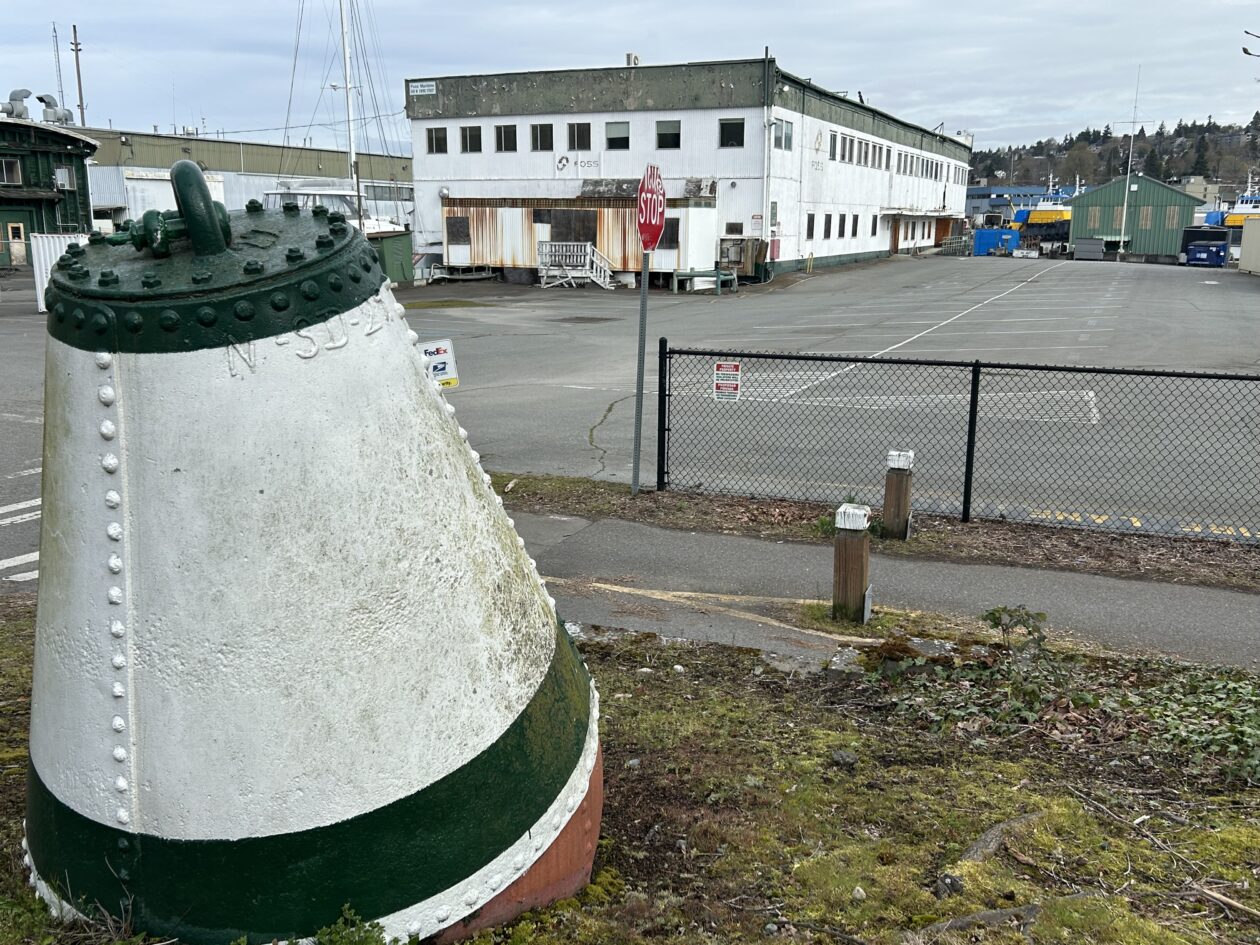
Commstrader reports that defense firm Anduril Industries raised $5 billion, a round that it says doubles the company's valuation to $61 billion. Commstrader and MSN report the raise is backed by investors including Thrive Capital and Andreessen Horowitz. Commstrader additionally reports that Anduril has established an autonomous warship operation at the historic Foss Shipyard in Seattle to scale manufacturing of unmanned naval vessels. The OECD.ai incident monitor frames the funding and expansion as an AI hazard, noting public concern about scaling AI-enabled autonomous weapons (OECD.ai). Larger funding rounds in defense tech typically accelerate production and deployment timelines while raising regulatory and safety scrutiny.
What happened
Commstrader reports that Anduril Industries raised $5 billion, taking the company's valuation to $61 billion (Commstrader). Commstrader and MSN report that the funding round includes backers such as Thrive Capital and Andreessen Horowitz (Commstrader; MSN). Commstrader also reports that Anduril has set up an autonomous warship operation at the Foss Shipyard in Seattle to scale production of AI-driven unmanned naval vessels (Commstrader). The OECD.ai incident monitor classifies the scale-up as an AI hazard, calling attention to the risks of expanding AI-enabled autonomous weapons and linking coverage from outlets including The New York Times and Business Insider (OECD.ai).
Editorial analysis - technical context
Reports do not disclose specific models, sensors, or autonomy stacks used in the Seattle operation. Industry-pattern observations: scaling maritime autonomy typically requires integrating high-reliability perception systems (radar, lidar, EO/IR), resilient autonomy stacks for navigation and collision avoidance, and hardened communications for contested environments. Companies in comparable programs often face systems-integration, testing, and supply-chain challenges when moving from prototypes to factory-scale production.
Context and significance
Industry context: a $5 billion raise is large for a private defense tech company and can materially accelerate manufacturing capacity, field trials, and program deliveries, according to public fundraising comparators tracked in the sector. The OECD.ai monitor's hazard framing underscores that expansion of autonomous weapons capacity attracts heightened scrutiny from regulators, NGOs, and the safety research community (OECD.ai). For practitioners, larger production runs mean more operational data, which can speed iteration on perception and autonomy algorithms but also amplify the consequences of failure modes in deployed systems.
What to watch
- •Regulatory and policy responses from U.S. and allied oversight bodies and any formal guidance tied to autonomous weapons deployments.
- •Public documentation or technical disclosures from Anduril about system-level safety measures, testing protocols, and human-in-the-loop safeguards; reporting to date does not include those details (Commstrader).
- •Evidence of increased production throughput or new contract awards tied to the Seattle facility, which would indicate scaling from lab prototypes toward operational deployments.
Key Points
- 1Anduril raised $5 billion, reportedly doubling valuation to $61 billion, funded by investors including Thrive and a16z (Commstrader; MSN).
- 2OECD.ai flags the expansion as an AI hazard, highlighting increased risk attention as autonomous weapons scale (OECD.ai).
- 3Industry observers note that large defense-capital infusions typically accelerate manufacturing and operational testing, increasing both iteration speed and safety scrutiny.
Scoring Rationale
A $5 billion raise for a private defense tech firm materially affects manufacturing scale and procurement dynamics in autonomous systems. The story matters to practitioners because it increases the scale and operational footprint of AI-enabled defense platforms while drawing regulatory and safety attention.
Sources
Public references used for this report.
Practice with real Telecom & ISP data
90 SQL & Python problems · 15 industry datasets
250 free problems · No credit card
See all Telecom & ISP problems