
Andrew Freris Flags Two-Year Energy Shock Cycle
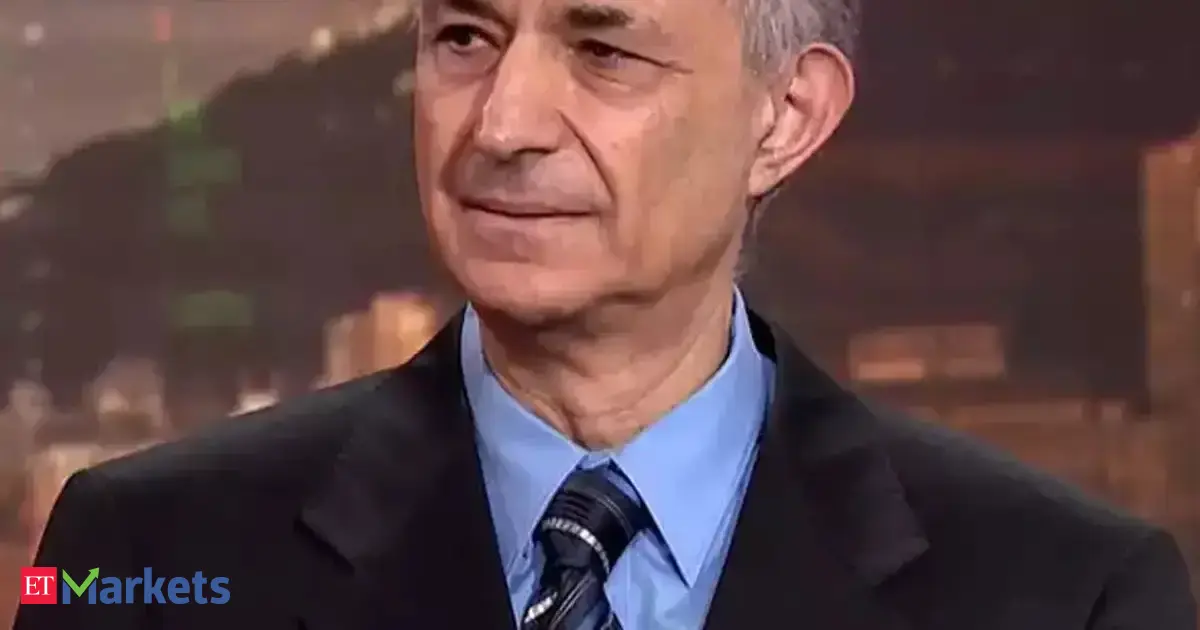
According to an interview on ET Now reported by the Economic Times, Andrew Freris, CEO of Ecognosis Advisory, warned that the conflict in West Asia could reshape energy routes for years and described a "two-year view" of disruption. Freris suggested that the Strait of Hormuz may lose strategic importance as exporters develop bypasses, saying, "The Hormuz Straits are going to become irrelevant," and noting that "Turkey is outlining pipework" and "Saudi Arabia already has bypass routes in place." He asked whether Brent at $100 "could be the new reality for Brent." Freris also attributed recent equity strength to AI enthusiasm, saying, "We will push the S&P to highs on AI, but there is no real earnings justification," and advised clients to reduce US positions. (Economic Times / ET Now)
What happened
According to an ET Now interview reported by the Economic Times, Andrew Freris, CEO of Ecognosis Advisory, said the ongoing conflict in West Asia is unlikely to be short lived and described the outlook as a "two-year view" of disruption. Freris suggested the Strait of Hormuz may decline in strategic importance as exporters develop alternative routes, saying, "The Hormuz Straits are going to become irrelevant," and adding that "Turkey is outlining pipework" and "Saudi Arabia already has bypass routes in place." He asked whether Brent at $100 "could be the new reality for Brent."
Market commentary
Freris told ET Now he sees a disconnect between record equity highs and underlying fundamentals. He attributed the rally to AI-related enthusiasm and warned on valuations, saying, "We will push the S&P to highs on AI, but there is no real earnings justification." He also said he has been advising clients to "reduce US positions," per the Economic Times report.
Industry context
For practitioners
What to watch
Editorial analysis
Energy-market observers have documented that physical chokepoints, such as the Strait of Hormuz, prompt both short-term price spikes and longer-term investment in bypass infrastructure. Countries and producers exploring pipelines, maritime alternatives, and storage expansion can extend transition timelines and create episodes of sustained price volatility.
Sustained higher oil prices can raise operational costs for compute-heavy workloads and data center cooling, and influence corporate budgets for cloud and on-premise compute. Separately, equity concentration driven by AI enthusiasm increases market sensitivity to AI execution news; practitioners tracking fundraising, hiring, or vendor stability should account for macro risk in planning.
Monitor reported progress on physical bypass projects and export-routing announcements, near-term Brent price action around $100, and corporate earnings beneath AI-driven revenue narratives. Also watch concentration metrics in US benchmarks and any shifts in institutional allocation away from broadly held indices, as these affect capital availability for AI startups and infrastructure spend.
(Reporting and quotes above are from an ET Now interview as covered by the Economic Times.)
Key Points
- 1Andrew Freris (Ecognosis) warns of a "two-year" disruption from West Asia, saying the Strait of Hormuz may become "irrelevant," implying longer-term supply rerouting.
- 2Freris raises the prospect of Brent at $100, reflecting risk that bypass construction and transition frictions keep prices elevated.
- 3Freris attributes recent equity highs to AI enthusiasm, warning valuations lack broad earnings support and advising reduced US exposure, a signal for investors to reassess concentration risk.
Scoring Rationale
This is a macro market commentary linking energy geopolitics and equity concentration driven by AI. It is relevant to practitioners for budgeting and risk planning but does not present new technical or product-level AI developments.
Practice with real FinTech & Trading data
90 SQL & Python problems · 15 industry datasets
250 free problems · No credit card
See all FinTech & Trading problems
