
Analytics Group Signals Delays at AI Data Centers
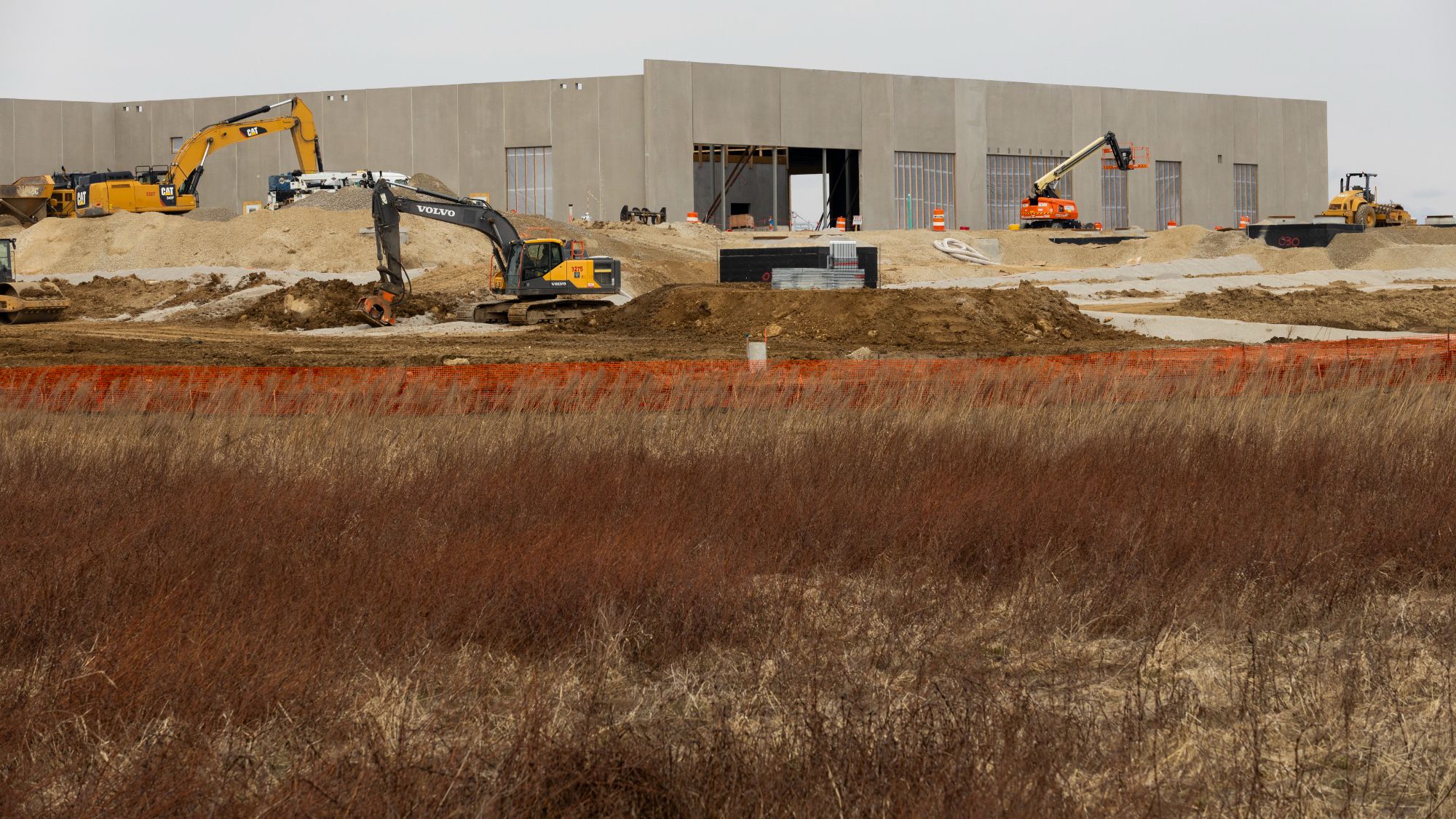
Satellite-based analysis from geospatial firm SynMax indicates roughly 40% of U.S. AI data center construction sites face schedule slippage, with some projects potentially delayed by more than three months. SynMax cross-checks satellite imagery against permits, public statements, and ground reporting to estimate construction progress, flagging slow site-clearing and limited foundation work on major builds including a 1,200-acre, 10-building campus in Shackelford County, Texas, intended for OpenAI capacity provisioning. Developers publicly deny broad delays, but the satellite signal, combined with known regulatory, utility, and supply-chain constraints, suggests timelines for late 2026 completions are at risk. Practitioners should factor potential compute-availability timing shifts into capacity planning and procurement schedules.
What happened
SynMax, a geospatial analytics firm, used satellite imagery and cross-checked industry intelligence to flag potential schedule delays at about 40% of U.S. AI data center construction sites. The report highlights projects including a 1,200-acre, 10-building campus in Shackelford County, Texas, earmarked to supply 1.4-GW for OpenAI workloads and scheduled for late 2026 delivery, but showing limited land clearing and foundation progress in early April 2026.
Technical details
Satellite-imagery analysis estimates construction progress by identifying milestones such as land clearing, foundations, and building envelopes, then comparing observed progress against projected timelines, permits, and on-the-ground reporting. Primary friction points cited are:
- •regulatory and permitting delays
- •supply-chain bottlenecks for materials
- •limited grid or utility availability
- •local labor shortages
These factors combine to produce conservative estimates of delays exceeding three months for affected projects.
Context and significance
The flagged delays matter because large-scale AI deployments depend on predictable, timely delivery of high-density compute sites. Delays in physical builds cascade into capacity shortages, shifting procurement windows for GPUs and accelerators, and forcing reliance on existing cloud capacity or interim leasing. This raises costs and scheduling risk for model training and inference scale-ups, particularly for organizations planning large dedicated campuses instead of multi-cloud strategies.
What to watch
Confirmatory on-the-ground reporting, permit-tracking updates, and utility interconnection filings over the next 60-90 days will clarify which projects are truly delayed. For practitioners, treat late-2026 capacity as probabilistic and build contingency plans for compute, storage, and networking procurement.
Key Points
- 1SynMax satellite analysis identifies potential delays at 40% of U.S. AI data center sites, signaling widespread schedule risk.
- 2Primary causes include regulatory friction, supply-chain constraints, utility availability, and labor shortages, which can each add months of delay.
- 3Delays shift compute availability, affecting GPU procurement timing, cost forecasting, and deployment plans for large-scale AI training and inference.
Scoring Rationale
This is a notable infrastructure story with direct operational impact on capacity planning and procurement for AI teams. It does not change model research or platforms, but material delays at scale can materially affect training schedules and costs.
Practice interview problems based on real data
1,625 SQL & Python problems across 15 industry datasets — the exact type of data you work with.
Try 250 free problems


