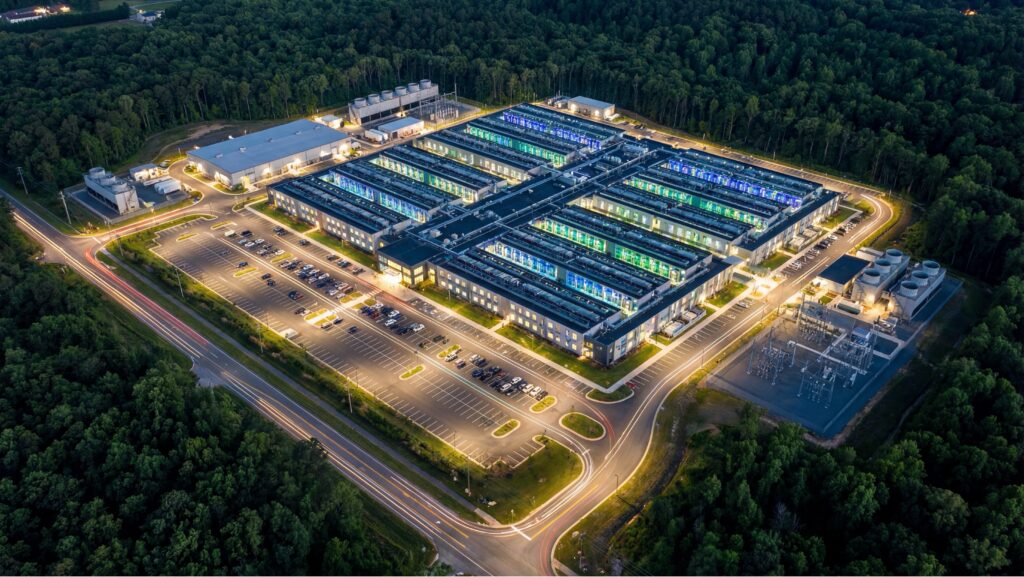
Americans Oppose Local AI Data Center Construction
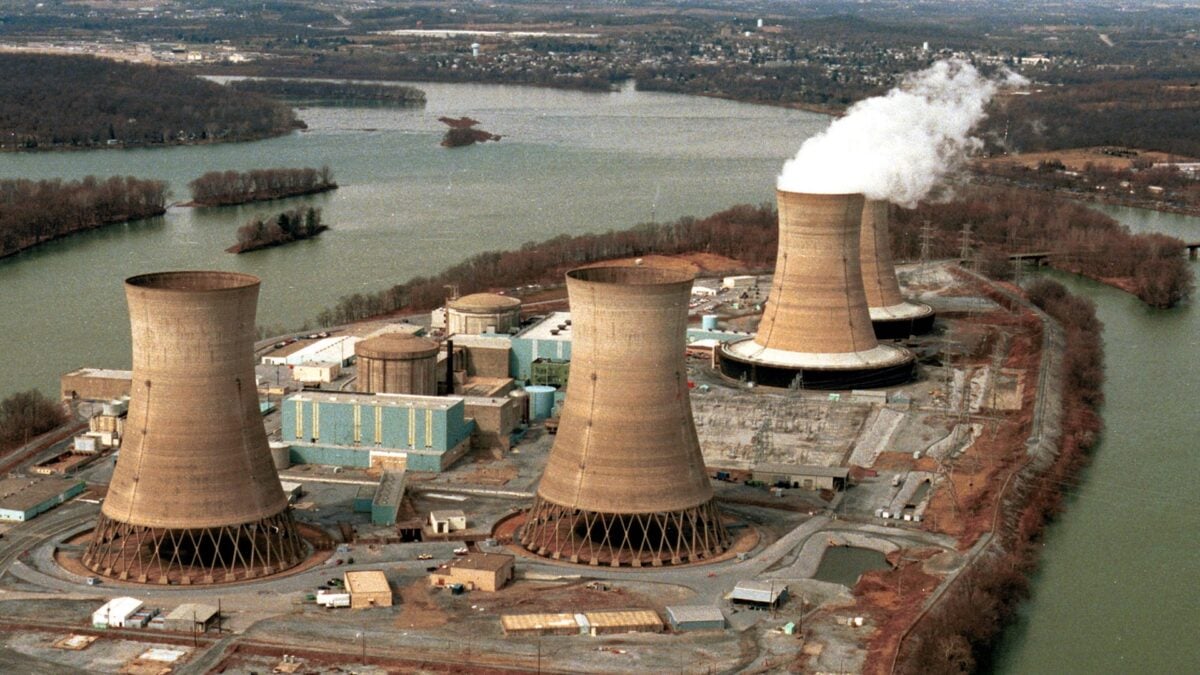
According to a Gallup poll reported by Gizmodo, 71% of Americans oppose construction of data centers in their area, including 48% who are strongly opposed and 23% somewhat opposed. By contrast, 53% oppose nearby nuclear power plants, per the same poll. Among opponents of data centers, 50% cite strain on local resources, including 18% who mention water use and 18% who mention energy consumption; other concerns include higher utility bills (15%), quality of life or property-value effects (22%), pollution (14%), and job-replacement fears (12%). Supporters point to job opportunities (55% of supporters) and technological benefits (17%). The poll frames public resistance as focused on environmental and local economic impacts.
What happened
According to a Gallup poll reported by Gizmodo, 71% of Americans oppose the construction of data centers in their area, including 48% who are strongly opposed and 23% somewhat opposed. The poll reports that 7% strongly support and 20% somewhat support local data-center construction. By comparison, the poll finds 53% of Americans oppose nearby nuclear power plants.
What the poll finds about reasons
Per Gallup as reported by Gizmodo, among those who oppose new data centers 50% cite strain on local resources, including 18% worried about water use and 18% about energy consumption; 15% cite higher utility bills; 22% cite quality-of-life or property-value concerns; 14% cite pollution; and 12% cite worries about jobs replacing human workers. Among supporters, 55% cite potential job opportunities and 17% cite perceived technological benefits.
Editorial analysis - technical context
Industry-pattern observations: Large-scale data centers typically require substantial power and, in some designs, significant water for cooling. Communities frequently register concerns about grid load, potable-water use, and local environmental effects when projects are proposed.
Context and significance
Editorial analysis
For practitioners involved in siting, utility planning, or community engagement, high public opposition increases the probability of permitting delays, higher mitigation costs, or stricter local conditions. Public resistance framed around concrete resource and economic impacts is more actionable than abstract fears, and therefore more likely to shape regulatory and permitting debates.
What to watch
- •Local permitting decisions and utility approval processes in regions targeted for AI infrastructure
- •Corporate disclosures about water and power sourcing, and any mitigation commitments
- •Local political responses, including ballot measures or zoning changes
- •Communication strategies that quantify job, tax, and environmental trade-offs
Key Points
- 1Per Gallup, 71% of Americans oppose local AI data centers, driven mainly by resource and environmental worries.
- 2Opposition to data centers exceeds opposition to nuclear plants (53%), indicating unusually high local resistance to AI infrastructure.
- 3Industry-pattern observation: Resource-use and economic-impact concerns tend to produce permitting delays and stricter local conditions.
Scoring Rationale
High public opposition to AI data centers affects site selection, permitting, and utility planning for practitioners. The story is notable for infrastructure planning but not a technology breakthrough.
Practice interview problems based on real data
1,625 SQL & Python problems across 15 industry datasets — the exact type of data you work with.
Try 250 free problems