Amazon Unifies Alexa and Rufus for Voice Shopping
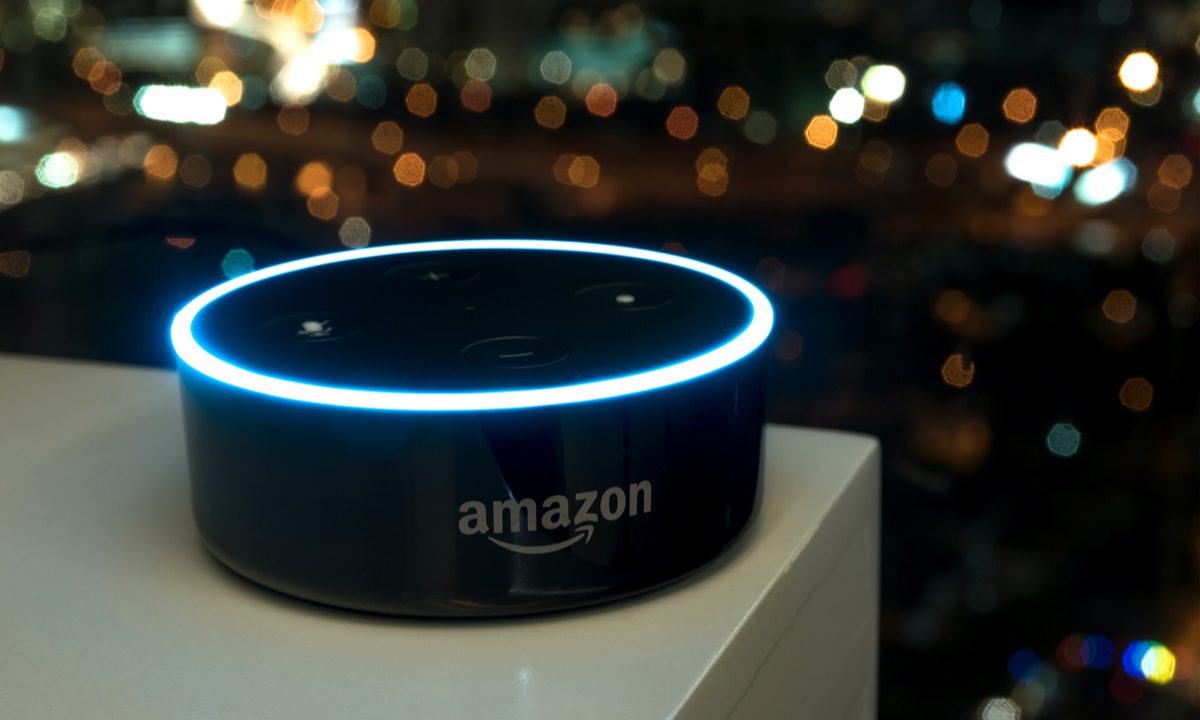
PYMNTS and GeekWire report that Amazon has replaced its standalone Rufus shopping chatbot with a unified Alexa for Shopping capability across the Amazon Shopping app, website, and Echo devices. PYMNTS characterizes the move as Amazon shifting emphasis from chatbot-based commerce toward voice-driven, agentic shopping; PYMNTS also contrasts this with reporting that Walmart is prioritizing AI for internal operations and efficiency. GeekWire describes new features in Alexa for Shopping, including price monitoring with automatic purchase and scheduled restocking, and reports that the company is retiring the "Rufus" brand while keeping its technology working behind the scenes. Industry observers will watch whether voice-first agentic features actually retain research flows and purchases on platform-native channels versus driving traffic to external AI assistants.
What happened
PYMNTS reports that Amazon is sunsetting its standalone Rufus e-commerce chatbot and replacing it with a unified Alexa for Shopping experience available to U.S. customers on the Amazon Shopping app, website, and Echo devices. GeekWire reports that Amazon launched the capability and is retiring the "Rufus" name in favor of Alexa for Shopping branding, while noting that parts of Rufus will continue to power the experience behind the scenes.
Technical details
GeekWire reports that Alexa for Shopping integrates product research, user preferences, and shopping activities across Amazon's apps, web properties, and Echo devices. GeekWire lists agentic features including price monitoring that can automatically purchase an item when it hits a target price and scheduled restocking of household essentials. PYMNTS highlights that voice interactions enable capture of consumer habits, preferences, and intent through persistent signals coming from Alexa-enabled devices plus Prime and purchase history.
Industry context
Context and significance
What to watch
Editorial analysis
Public reporting frames Amazon's move as part of a broader shift from chat-based interfaces toward voice-enabled, agentic commerce experiences. Companies building agentic shopping flows typically benefit from persistent, device-level signals and long-term purchase history; those signals can materially change the information available to recommendation and automation systems compared with ad-hoc chat sessions.
PYMNTS contrasts Amazon's customer-facing, voice-first emphasis with reporting that Walmart is prioritizing AI for back-end operations and efficiency. Observers following the sector will interpret these divergent approaches as alternative playbooks for extracting value from AI in retail: capture customer intent at the interface versus squeeze margin and throughput gains inside operations.
For practitioners, Amazon's integration matters because it tightens the coupling between voice telemetry, user profiles, and transaction pipelines. Systems engineering implications include the need to unify cross-device session state, reconcile consent and privacy signals across app and device contexts, and scale agentic workflows that can execute purchases autonomously. From an ML perspective, the shift increases the value of models that fuse longitudinal purchase history, contextual voice signals, and short-term intent detection.
Market effects are also a practical concern. Public reporting notes that consumer use of third-party AI assistants for shopping research has increased, and GeekWire frames this launch as a defensive step to keep research and purchases on Amazon's platforms. For practitioners building recommendation, pricing, or automation systems, a voice-first interface raises different evaluation criteria: latency and robustness of intent inference, error-recovery flows for inadvertent purchases, and A/B frameworks that measure long-horizon retention rather than single-session conversion.
Indicators to monitor include adoption metrics for voice-initiated purchases, frequency of agentic automation triggers (price-when-target and scheduled restock), and error or reversal rates for autonomous buys. Privacy and consent telemetry will be another signal to follow: whether session-level opt-ins are required for agentic actions and how user controls are surfaced across app and device contexts. Finally, practitioners should watch whether third-party AI assistants retain research traffic away from retailer platforms or whether integrated voice agents succeed at keeping research-to-purchase flows on-platform.
Bottom line
PYMNTS and GeekWire report a clear product shift: Amazon is consolidating shopping AI under Alexa for Shopping and retiring the Rufus brand while keeping its technology in the stack. Editorial analysis: The move crystallizes divergent retail AI strategies and raises concrete engineering and ML questions about long-term signal integration, safety of agentic automation, and measurement frameworks that capture multi-session customer value.
Key Points
- 1Amazon is consolidating shopping AI under Alexa for Shopping, replacing the Rufus brand, according to GeekWire and PYMNTS.
- 2Industry pattern: voice-first agentic flows leverage persistent device and purchase signals, increasing the value of longitudinal ML models.
- 3For practitioners: agentic purchase automation raises engineering needs around consent, error-recovery, and long-horizon measurement frameworks.
Scoring Rationale
A major retail platform integrating agentic shopping into voice interfaces has tangible implications for ML and systems engineering in commerce, but it is not a frontier-model or regulation-level event. The story is notable for practitioners building recommender, automation, and privacy systems.
Sources
Public references used for this report.
Practice with real Retail & eCommerce data
90 SQL & Python problems · 15 industry datasets
250 free problems · No credit card
See all Retail & eCommerce problems