Amazon Book Shipment Reaches AI Training Facility
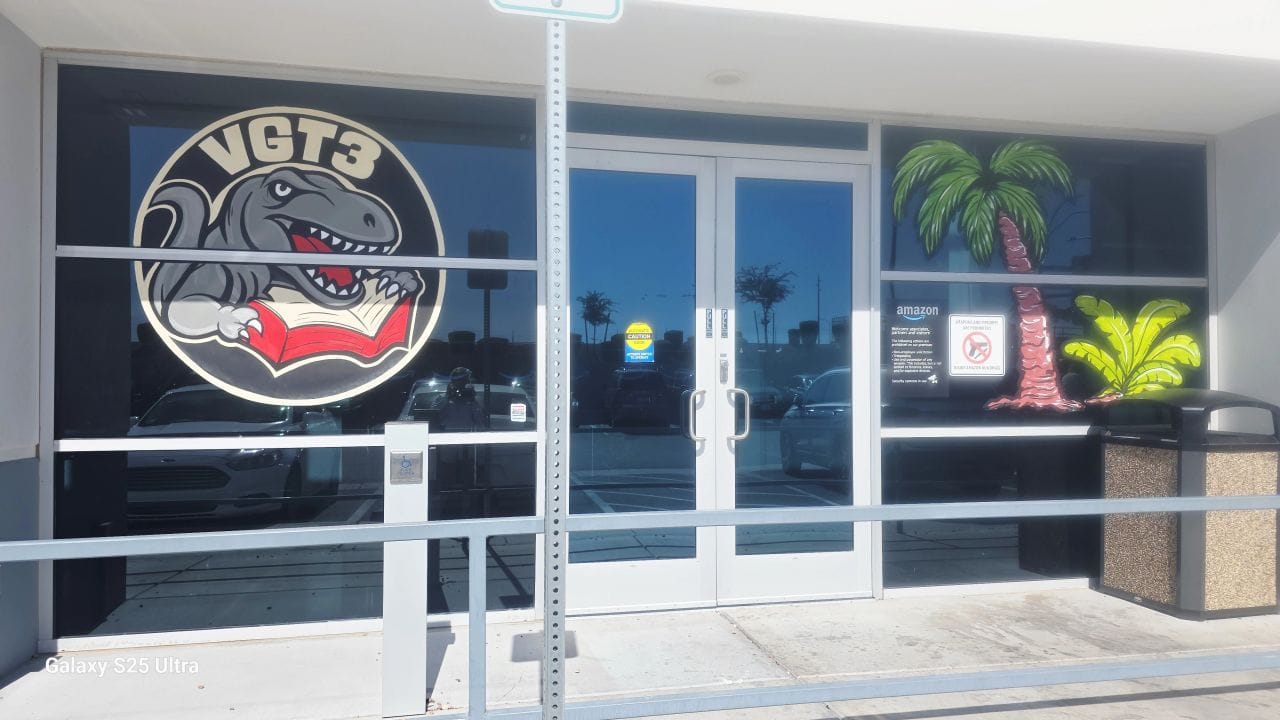
404 Media reported on August 17 that a shipment containing a tracked rare book reached Amazon's VGT3 facility in Las Vegas, which the outlet identifies as a site where Amazon scans books for AI training data and destroys them. The investigation describes an unreported Amazon book-buying operation involving large quantities of books, bringing renewed attention to the provenance of text used in model training.
404 Media reported on August 17 that a shipment containing a rare book fitted with a tracking device ended at Amazon's VGT3 facility in Las Vegas. The outlet identifies VGT3 as a location where Amazon scans books for AI training data and destroys the physical copies afterward.
The investigation began with 404 Media shipping a rare book that it suspected could be acquired for AI-related data collection. According to the outlet, tracking data followed the shipment across the United States to the Amazon facility. 404 Media characterizes the finding as evidence of an Amazon operation buying books in volume, digitizing them for model-training data, and destroying them after scanning.
Book acquisition enters the training-data debate
The report adds a concrete data-provenance question to the continuing dispute over copyrighted material in generative AI training sets. Books acquired through ordinary retail channels can provide a physical copy for digitization, but ownership of that copy does not by itself resolve questions over copying, storage, or use of the text for training.
Fast Company separately reported on August 17 that used-book stores have received unusually large bulk orders that they associate with AI-company demand, although the stores cited could not definitively identify the buyers or their eventual use of the books. The publication described used books as a comparatively inexpensive route to obtaining source material at scale.
Fast Company also reported that recent US court decisions involving Anthropic and Meta have shaped discussion of paid acquisition of copyrighted books for training. Those rulings and ongoing copyright litigation have not established a universal rule for all datasets, model developers, or methods of acquisition.
Implications for data governance
For ML teams, the reporting illustrates why dataset governance extends beyond a document's purchase price or physical ownership. Organizations building text corpora commonly need records covering source, copyright status, digitization rights, retention, licensing terms, and downstream access controls. Comparable disputes in the sector have made those records increasingly relevant to legal review, auditability, and vendor-risk assessment.
The 404 Media investigation does not establish the contents of any Amazon training dataset, the models that may have used scanned material, or the rights analysis applied to individual books. Those remain open questions based on the reporting available.
Key Points
- 1404 Media tracked a shipment containing a rare book to Amazon's VGT3 facility, linking physical book acquisition to reported AI-data scanning activity.
- 2The report centers data provenance, because purchasing a physical book does not automatically settle reproduction or training-use rights.
- 3Comparable copyright disputes make source records, digitization permissions, and retention controls important parts of training-data governance.
Scoring Rationale
The investigation offers a specific reported example of physical-book acquisition feeding an AI data pipeline, a consequential provenance and copyright issue for model developers. It does not disclose a model, dataset contents, or a broad product change, which limits its direct technical impact.
Sources
Public references used for this report.
Practice with real Retail & eCommerce data
90 SQL & Python problems · 15 industry datasets
250 free problems · No credit card
See all Retail & eCommerce problems