AMA Urges Legislation to Curb Medical AI Misinformation

The American Medical Association (AMA) sent letters dated April 22, 2026 to three congressional AI caucuses urging four specific safeguards for AI chatbots used in mental health care - mandatory disclosure that users are talking to a machine, a ban on chatbots diagnosing conditions or claiming to be licensed clinicians, advertising restrictions, and stronger privacy protections - while separately publishing a seven-point policy framework to stop AI "deepfake doctors." AMA CEO John Whyte said, "AI deepfakes that impersonate physicians are not just scams - they are a public health and safety crisis." The push follows documented cases including a University of Gothenburg experiment in which a fabricated disease was absorbed by ChatGPT, Gemini, Copilot, and Perplexity, and a Pennsylvania lawsuit alleging Character.AI chatbots falsely claimed to be licensed psychiatrists.
The concrete signal for health-AI builders here is regulatory, not just reputational: the AMA is not simply raising alarm about deepfakes and chatbot misinformation, it has put specific, actionable legislative asks in front of three congressional AI caucuses, including a request that Congress let the FTC penalize developers directly for transparency failures - a level of specificity that vendors building consumer-facing health AI should treat as a preview of compliance requirements, not just industry commentary.
What happened
In letters dated April 22, 2026 to the Senate AI Caucus, the Congressional Digital Health Caucus, and the Congressional AI Caucus, AMA CEO John Whyte outlined four areas where the AMA wants Congress to act on AI chatbots used for mental health support: boosted transparency (chatbots must disclose they are not human and whether a human oversees them, with FTC enforcement authority for violations); targeted regulation (a ban on chatbots diagnosing or recommending treatment for mental health conditions, plus mandatory identification of suicidal ideation with referrals to crisis resources); limited advertising (discouraging ads in mental-health chatbots entirely and banning them for minors); and stronger privacy and cybersecurity protections, including limits on data retention and a right to delete conversation history. "AI-enabled tools may help expand access to mental health resources...but they lack consistent safeguards against serious risks, including emotional dependency, misinformation, and inadequate crisis response," Whyte said.
Policy context
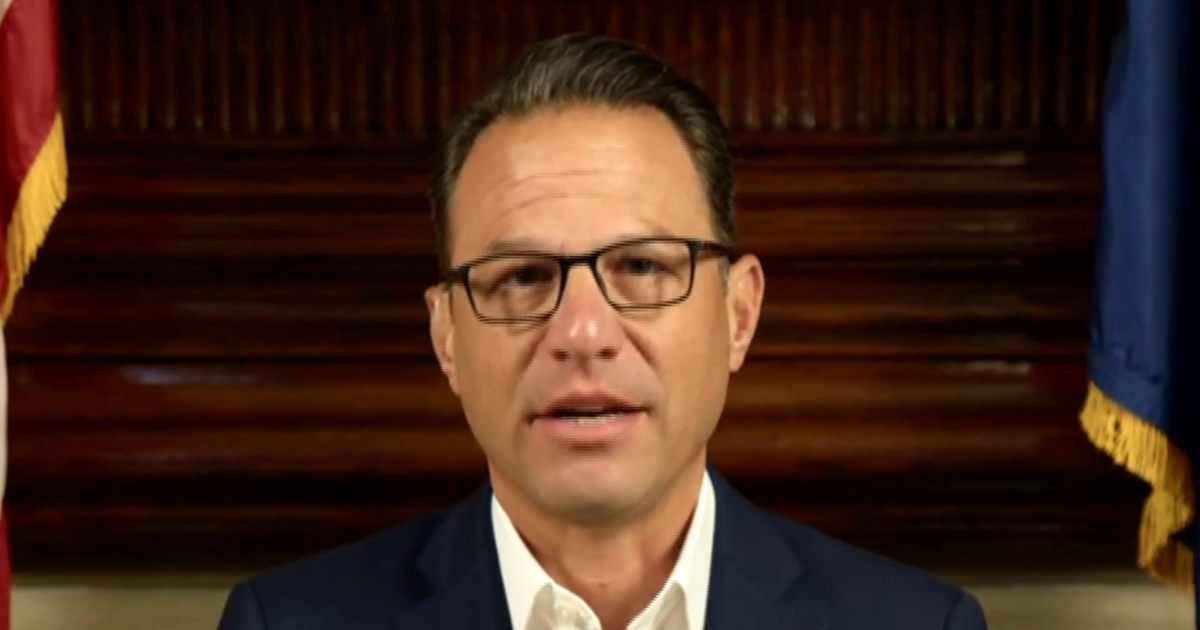
Separately, the AMA's Center for Digital Health and AI published a seven-point policy framework targeting AI-generated "deepfake doctors" - videos and ads that impersonate real physicians to sell unproven treatments. The framework asks lawmakers to treat a physician's name, image, likeness, and voice as protected assets requiring affirmative, revocable consent for use in AI-generated content, to mandate clear labeling and watermarking of such content, and to give physicians an enforceable takedown process. "AI deepfakes that impersonate physicians are not just scams - they are a public health and safety crisis," Whyte said. The push follows a Pennsylvania lawsuit against Character Technologies alleging its Character.AI chatbots, including one named "Emilie" described as a "Doctor of psychiatry," falsely claimed to hold a medical license; Pennsylvania Governor Josh Shapiro said the state "will not allow companies to deploy AI tools that mislead people into believing they are receiving advice from a licensed medical professional." Separately, California State Senator Lena Gonzalez has introduced SB 1146, sponsored by the California Medical Association, to penalize undisclosed AI-deepfake use in health advertising. Per the National Conference of State Legislatures, 43 states have introduced 263 AI-in-healthcare bills, of which only 17 have been enacted.
Technical context
The AMA's push follows documented cases of AI systems absorbing and repeating fabricated medical information. Nature reported that a University of Gothenburg research team uploaded two fake manuscripts describing a fictional disease, "bixonimania," which was then absorbed and reused by Microsoft Bing's Copilot, Google's Gemini, Perplexity, and OpenAI's ChatGPT. A Google spokesperson said the company has "always been transparent about the limitations of generative AI and provide in-app prompts to encourage users to double-check information," and that Gemini recommends consulting qualified professionals for sensitive medical matters. Separately, CNN chief medical correspondent Dr. Sanjay Gupta said a deepfake video falsely showing him promoting an Alzheimer's cure has continued to circulate and has fooled even other physicians.
For practitioners
Health-AI teams building consumer-facing chatbots or using generative models to summarize or synthesize medical literature should treat the AMA's four chatbot principles and seven deepfake principles as a preview of likely compliance requirements: expect disclosure mandates, restrictions on diagnostic claims, advertising limits, and provenance or watermarking requirements for AI content associated with a real clinician's identity. The Gothenburg case is also a concrete reminder that retrieval and search-grounded systems can surface fabricated source material as fact without additional verification layers.
What to watch
Whether any of the AMA's four chatbot principles or seven deepfake principles are incorporated into pending federal legislation; the outcome of California's SB 1146 and the Pennsylvania Character.AI lawsuit; and whether other state medical associations follow California's lead, given only 17 of 263 introduced state AI-healthcare bills have been enacted so far.
Key Points
- 1The AMA asked Congress for four specific chatbot safeguards: mandatory disclosure, a ban on diagnosing conditions, advertising limits, and stronger privacy protections.
- 2A separate AMA framework asks lawmakers to treat physicians' identities as protected assets requiring consent, labeling, and takedown rights against AI deepfakes.
- 3The push follows a Gothenburg University experiment where a fabricated disease was absorbed by ChatGPT, Gemini, Copilot, and Perplexity, plus a Pennsylvania Character.AI lawsuit.
Scoring Rationale
Verified against two AMA primary-source pages (its own letters and policy framework, both fetched) plus independent press coverage (Jerusalem Post, Axios) and documented real-world harm cases (Gothenburg fabricated-disease experiment, Sanjay Gupta deepfake, Pennsylvania Character.AI lawsuit, California SB 1146). This is concrete, specific legislative advocacy from a major medical body with direct compliance implications for health-AI builders, not a vague warning - solidly notable, corroborated, and actionable.
Sources
Public references used for this report.
Practice with real Health & Insurance data
90 SQL & Python problems · 15 industry datasets
250 free problems · No credit card
See all Health & Insurance problems