AI Videos Boost Spencer Pratt Mayoral Visibility
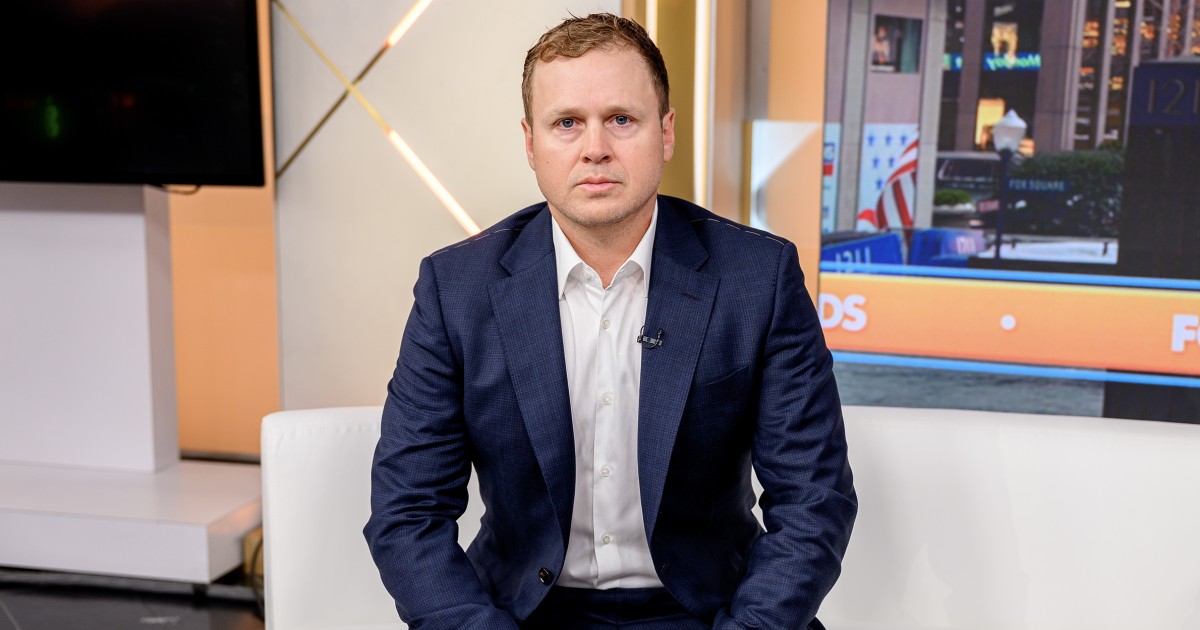
AI-generated videos promoting Spencer Pratt's Los Angeles mayoral bid have gone viral, drawing millions of views and widespread attention. According to CNN, the videos have racked up millions of views; The Hollywood Reporter and NBC News identify filmmaker Charlie Curran as the creator of several cinematic, Batman-inspired clips that depict Mayor Karen Bass, Gov. Gavin Newsom and former Vice President Kamala Harris in exaggerated, often villainous roles. Per The Hollywood Reporter, Pratt retweeted the lead video and, according to NBC News, described the clips as "fan-made." The Hill reports that Mayor Karen Bass called the ads part of a "violent trend," while conservative commentators praised the work. Coverage from Semafor and the Los Angeles Times frames the episode as an early example of AI-driven political content reshaping campaign visibility and ethics debates.
What happened
According to NBC News and The Hollywood Reporter, a series of AI-generated, pro-Spencer Pratt videos created by filmmaker Charlie Curran circulated widely on social media in early May 2026. Per CNN, at least one of the videos has amassed "millions of views." The clips depict Pratt in cinematic, superhero-style settings and portray political figures, including Karen Bass (rendered with Joker-like makeup), Gov. Gavin Newsom (shown eating cake) and former Vice President Kamala Harris (depicted drinking vodka), in exaggerated roles, as reported by The Hollywood Reporter and CBS. The Hollywood Reporter says Pratt retweeted the lead video; NBC News reports Pratt described the videos as "fan-made." The Hill reports Mayor Bass criticized the ads as part of a "violent trend." The Hollywood Reporter also documents praise for the ad from conservative personalities such as Jeb Bush, Ted Cruz and Matt Gaetz.
Editorial analysis - technical context
Companies and creators now have access to generative video tools and AI-based "filmmaking" pipelines that can rapidly synthesize photorealistic and stylized footage at low marginal cost. Industry observers note that the combination of off-the-shelf generative models, accessible editing tools, and short-form social platforms materially lowers the barrier to producing attention-grabbing political content. For practitioners: this trend increases the operational importance of provenance, metadata, and robust content-wateringmarking approaches when platforms and campaigns evaluate multimedia.
Context and significance
Reporting by Semafor and the Los Angeles Times frames this episode as an early, high-profile instance of synthetic political media influencing campaign visibility ahead of an election event. Per The Hollywood Reporter, the viral clips arrived just before a scheduled mayoral debate featuring Pratt, Bass and Nithya Raman. Industry coverage highlights two intersecting issues: first, how synthetic media can turbocharge outsider or novelty campaigns by generating viral impressions; second, the ethical and regulatory questions that arise when likenesses of public officials are manipulated without clear disclosure. These concerns have attracted commentary across the political spectrum, from praise of creative impact to calls for limits and greater transparency.
What to watch
Industry context: observers and practitioners will be watching several indicators over the coming weeks:
- •Platform responses and moderation patterns, including removals, labels, or enforced disclosures for AI-generated political content.
- •Legal or regulatory moves around deepfake and synthetic-content disclosure in political advertising, which reporting suggests is already part of the public debate.
- •The role of third-party creators (like Charlie Curran) versus campaign-produced synthetic materials, and whether platforms treat them differently.
- •How rapid virality interacts with traditional ad-buy and ballot-window rules ahead of the primary, including any enforcement or complaints filed by campaigns.
Practical implications for data and ML teams
For practitioners building detection, watermarking or provenance systems, this episode underscores the need to evaluate models on real-world, stylistically diverse synthetic videos, and to integrate metadata and tamper-evidence into distribution pipelines. Industry observers also point to the growing tension between creative expression and platform policy enforcement, which will drive demand for more reliable, explainable synthetic-media attribution tools.
Key Points
- 1AI-generated political ads can produce rapid visibility, as CNN reports videos in the Spencer Pratt campaign reached millions of views.
- 2Accessible generative-video tooling means independent creators can influence campaigns, creating a blurred line between paid ads and organic viral content.
- 3Platforms, regulators and practitioners will need stronger provenance, labeling and detection workflows to manage ethical and legal risks around synthetic political media.
Scoring Rationale
The story is notable for demonstrating how synthetic media can alter campaign visibility and prompt regulatory and moderation questions. It is not a frontier technical breakthrough, but it has immediate operational impact for platforms, regulators and ML teams working on provenance and detection.
Sources
Public references used for this report.
View 10 more sources
- LA mayoral candidate Spencer Pratt releases a series of AI ...cbsnews.com
- Spencer Pratt Batman-Inspired AI Campaign Ad Goes Viralhollywoodreporter.com
- AI-generated video supporting Spencer Pratt for mayor of L.A. goes viral adding to concern over fake campaign adsnbcnews.com
- Spencer Pratt AI video in LA mayor’s race goes viralthehill.com
- Whoopi Goldberg calls out Spencer Pratt for sharing 'violent imagery' amid L.A. mayor raceew.com
- Spencer Pratt posts AI-generated Bass 'attack ad' - FOX 11foxla.com
- Spencer Pratt ad brilliantly trolls LA’s lefty leaders with hilarious City Hall stuntnypost.com
- MAGA Rallies Around Spencer Pratt’s L.A. Mayoral Candidacyrollingstone.com
- View / What Spencer Pratt’s rise can teach both parties about AI-age campaigningsemafor.com
- Viral AI video featuring LA mayoral candidate Spencer Pratt sparks ...msn.com
Practice with real Ad Tech data
90 SQL & Python problems · 15 industry datasets
250 free problems · No credit card
See all Ad Tech problems