AI Stokes Debate Over Job Losses
The Times of India blog post "Artificial intelligence and job-loss debate: A critical insight" reports that AI is moving beyond labs into everyday use, reshaping work and the global economy. The post names OpenAI, Google, and Anthropic as large players driving rapid scaling of capabilities, and asserts that adoption rates are "doubling across industries in a matter of years" (Times of India). The article argues that framing the issue as simply "AI taking away jobs" is reductive and stresses historical parallels, citing the Industrial Revolution, the Spinning Jenny, and Luddite protests to show past patterns of displacement followed by job reorganization. The piece concludes that the core question is how work, skills, and economic opportunities are reorganized in an AI-driven economy, rather than whether jobs will disappear, per Times of India.
What happened
The Times of India blog post "Artificial intelligence and job-loss debate: A critical insight" reports that AI is already reshaping everyday life and the global economy, and that adoption rates are "doubling across industries in a matter of years" (Times of India). The article highlights a "handful of powerful players" including OpenAI, Google, and Anthropic as contributors to rapid capability scaling, per Times of India. The author uses historical examples such as the Industrial Revolution, the Spinning Jenny, and Luddite protests to frame technological disruption and labour displacement as precedents described in the post.
Editorial analysis - technical context
Industry-pattern observations: rapid automation typically displaces routine manual tasks first while creating demand for complementary skills. Observers of prior technology waves note that task-level substitution and creation often coexist, producing net employment changes that vary by sector and time horizon.
Context and significance
Editorial analysis: The Times of India piece situates the contemporary AI debate in long-running economic discussions about structural unemployment and skill reallocation. For practitioners, the significance is operational: automation trends influence which roles shrink, which tasks are augmented, and where investment in retraining or tooling may matter most. Policy responses, education systems, and corporate reskilling programs are the institutional levers most frequently discussed in public coverage of comparable transitions.
What to watch
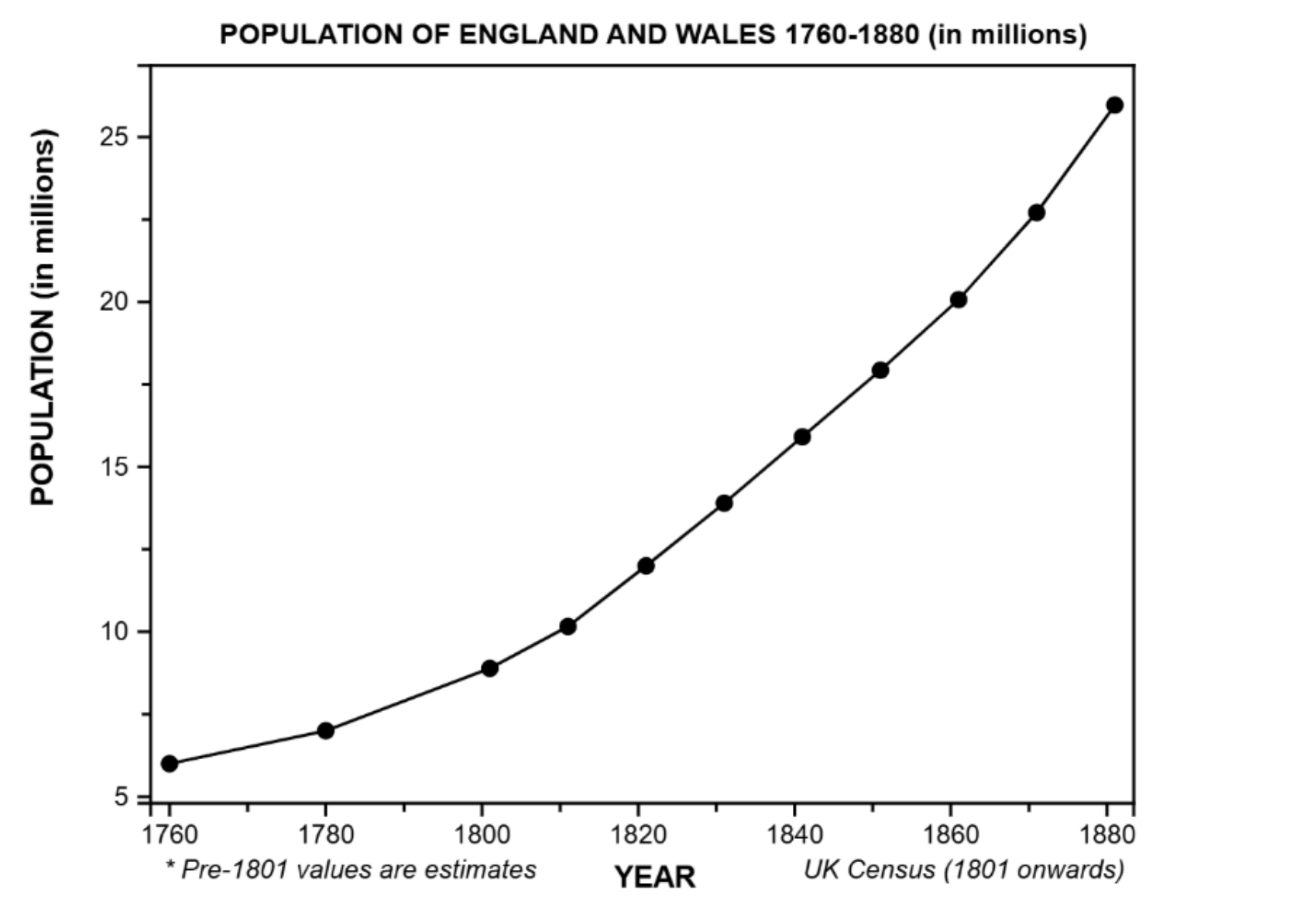
Industry context: Indicators worth tracking include sectoral adoption metrics (which the article cites as accelerating), occupation-level task analyses, government and corporate reskilling commitments reported publicly, and labour-market statistics for routine versus nonroutine occupations. The blog post includes a population-growth graph and reiterates the adoption-rate claim; it does not quote policymakers or firms explaining rationale; readers should look for corroborating studies and official statements if they need quantified forecasts.
Key Points
- 1Rapid AI adoption, cited as doubling across industries, is accelerating task automation and raising displacement risk for routine roles.
- 2Historical precedents like the Industrial Revolution show technological disruption often reorganizes work rather than causing permanent mass joblessness.
- 3Policy, education, and corporate reskilling will shape outcomes; observers should track sectoral adoption and occupation-level task changes.
Scoring Rationale
The piece is a topical commentary framing AI-driven labour disruption for a broad audience. It is relevant to practitioners for workforce and policy implications but does not present novel empirical findings or technical advances, placing it in the midrange for practical impact.
Practice interview problems based on real data
1,625 SQL & Python problems across 15 industry datasets — the exact type of data you work with.
Try 250 free problems