AI Smart Glasses Enable Visually Impaired Runners
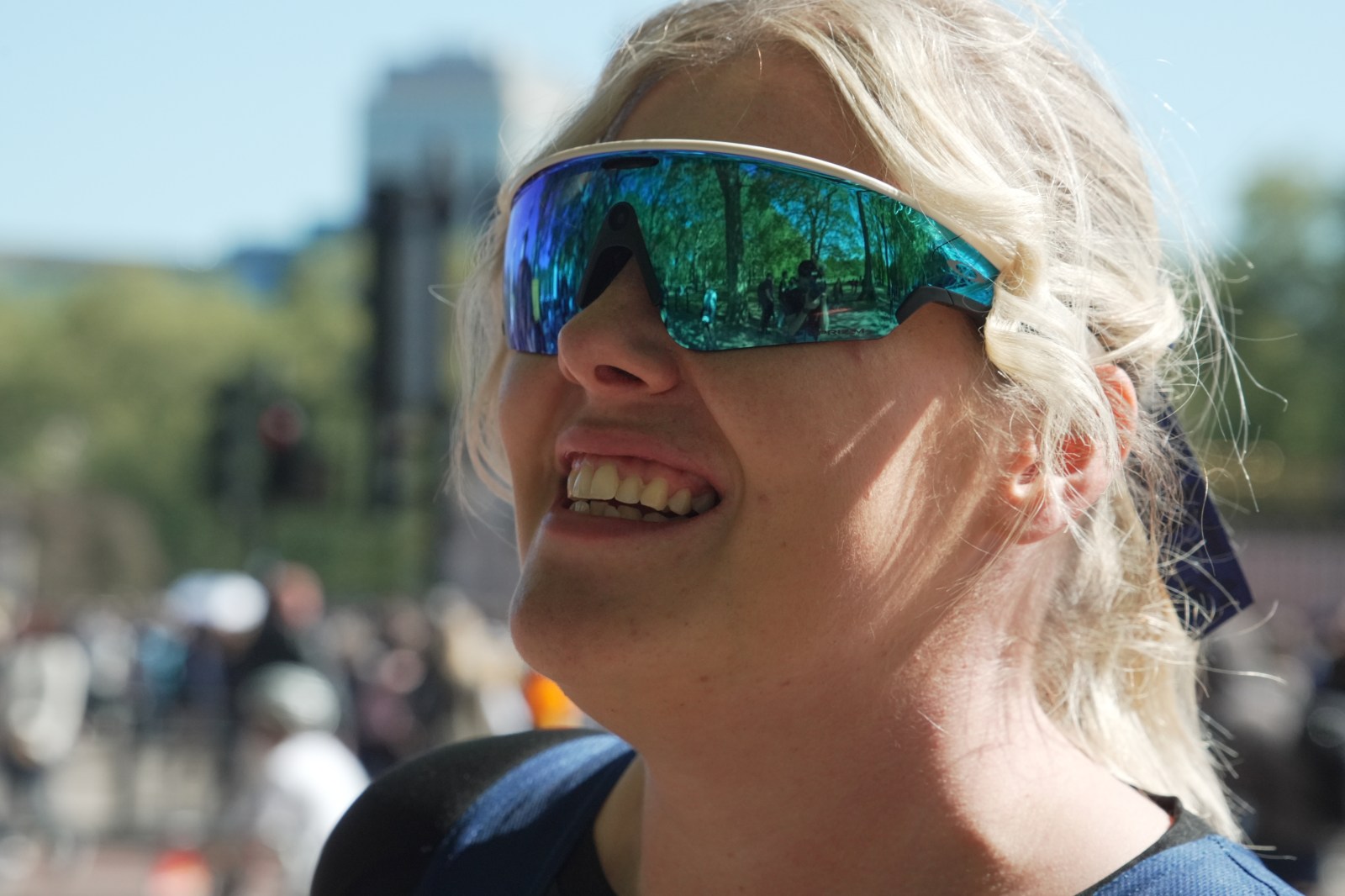
Visually impaired runners preparing for the London Marathon are using AI-powered smart glasses to increase independence and situational awareness during training. Runner Tilly Dowler is among those adopting the technology as she practices routes that include landmarks like Buckingham Palace. The devices use cameras and AI to provide audio or haptic guidance, helping athletes detect obstacles, follow course landmarks, and maintain pace. This deployment highlights practical advances in edge computer vision, low-latency feedback, and wearable ergonomics for accessibility-focused applications in endurance sports.
What happened - Visually impaired runners preparing for the London Marathon are using AI smart glasses to augment navigation and situational awareness, with runner Tilly Dowler training on public routes that include Buckingham Palace. The devices give wearers real-time guidance so they can train more independently and safely on city streets and racecourses.
Technical details - These assistive wearables typically combine cameras, compressed computer vision models, and immediate feedback channels. Practitioners should expect these engineering trade-offs:
- •Latency and inference location: balancing on-device inference and cloud offload affects responsiveness and connectivity needs.
- •Model compression and robustness: model compression and edge optimization are common considerations to run detection and tracking models within wearable power and thermal limits.
- •Multimodal feedback design: audio cues, spoken directions, and haptic signals must be synchronized with vision outputs and tuned for noisy, crowded race environments.
- •Privacy and data stewardship: continuous video capture in public settings raises consent, storage minimization, and transmission-security requirements.
Context and significance - This field-deployment is a concrete example of assistive AI moving from labs into real-world endurance events. It aligns with broader trends toward edge computer vision, light-weight model stacks, and human-centered interaction design for accessibility. For the AI and wearable ecosystem, successful marathon deployments validate system-level concerns beyond raw model accuracy, namely durability, battery life, latency, and user trust.
What to watch - Race-day scalability, regulatory and privacy compliance in public spaces, and how device makers iterate on robustness for crowded, fast-moving scenarios. Adoption will hinge on measurable safety gains, ergonomic improvements, and clear policies for captured imagery.
Key Points
- 1AI smart glasses let visually impaired runners train independently, improving access to large public events like the London Marathon.
- 2Edge-focused design trade-offs, including latency, model compression, and multimodal feedback, determine real-world usability and safety.
- 3Widespread adoption depends on scalability, privacy controls, and ergonomic refinements specific to crowded, high-speed race environments.
Scoring Rationale
This is a practical, real-world deployment of assistive AI that matters to practitioners working on edge vision, human-AI interaction, and wearable systems. It is notable for demonstrating usability in a high-profile public event but does not introduce a new model or paradigm shift.
Sources
Public references used for this report.
Practice interview problems based on real data
1,625 SQL & Python problems across 15 industry datasets — the exact type of data you work with.
Try 250 free problems