AI Shifts Jobs Out of Tech and Into Trades
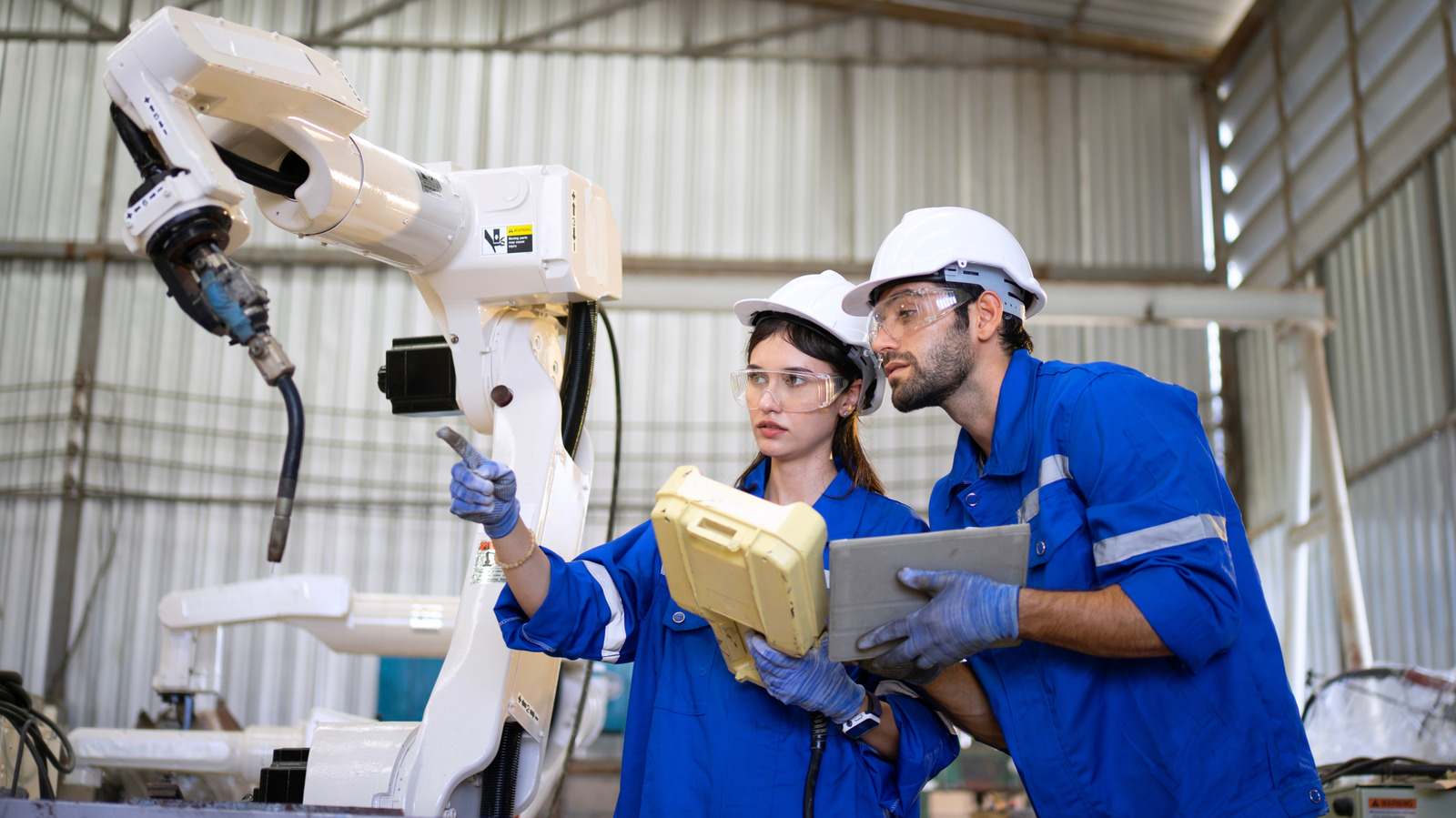
BGR reports that artificial intelligence is shifting jobs out of the tech industry and toward skilled trades, citing LinkedIn data that show 1.3 million tech experts working in AI roles and BGR-cited figures of skilled-trades wage growth up to 30%. BGR also reports a projection that the construction industry needs nearly 350,000 new workers and that up to 80% of blue-collar employees expect AI to benefit their industries. BGR and other outlets report AI-related white-collar cuts, including as many as 16,000 U.S. job losses per month and Meta's layoff of 8,000 employees. Axios reports Anthropic CEO Dario Amodei warned AI could eliminate up to half of entry-level white-collar jobs. The Hill reports California Gov. Gavin Newsom signed an executive order directing agencies to study supports for displaced workers. Industry observers note rising demand for practitioners who can integrate cloud models with on-site hardware and for tooling that links models to physical infrastructure.
What happened
BGR's feature article reports that artificial intelligence is moving jobs out of the tech industry and into skilled trades, citing LinkedIn data showing 1.3 million people in AI-related tech roles and BGR-cited statistics of skilled-trades wage growth up to 30% in the U.S. BGR reports a construction-sector projection that nearly 350,000 workers are needed to close current shortages and cites a study indicating up to 80% of blue-collar employees expect AI to benefit their industries. BGR and other outlets report that AI has been linked to job cuts in white-collar roles, with figures as high as 16,000 U.S. job cuts per month and corporate actions such as Meta's layoff of 8,000 employees, as reported by BGR. Axios reports that Anthropic CEO Dario Amodei has warned AI could eliminate up to half of entry-level white-collar jobs. The Hill reports California Gov. Gavin Newsom signed an executive order directing state agencies to evaluate supports for workers potentially displaced by AI.
Editorial analysis - technical context
Industry-pattern observations: Large generative models such as ChatGPT and model families reported by industry outlets are strongest at automating digital, text- and code-centric tasks. That technical alignment makes many office and knowledge-worker workflows more exposed to automation than field-based, physically embedded work. Observers frequently note that AI's current capabilities reduce the marginal labor needed for repetitive cognitive tasks while increasing demand for on-site infrastructure, maintenance, and installation skills that cannot be virtualized.
Context and significance
Reporting and opinion pieces in Axios and The New York Times capture a wider debate about labor-market disruption from AI, from executive warnings (Axios' reporting of Amodei) to opinion essays fearing structural inequality (The New York Times). At the policy level, The Hill reports California's executive order as a concrete state response to potential displacement. Together, these reports frame a labor-market shift where wage pressure, hiring shortages in trades, executive-level warnings, and early government action are converging signals for practitioners and employers.
What to watch
For practitioners
- •Short-term hiring and wage trends in construction, electrical, and network-installation trades, which signal whether demand is sustaining wage gains.
- •Adoption metrics for automation of office workflows, including surveys reporting replacement rates and tools used (for example, reports that 23.5% of U.S. companies have used ChatGPT-style tools for replacement, as cited by BGR).
- •Policy developments at state and federal levels, such as California's executive order, that could fund retraining or subsidized employment.
- •Tooling and integration demand for edge and on-site systems that connect cloud-hosted models to physical infrastructure.
Key Points
- 1Industry pattern: AI automates digital, repeatable cognitive tasks faster than field work, concentrating displacement in white-collar roles and boosting demand for trades.
- 2Industry pattern: Skilled-trades shortages and wage gains (BGR reports up to 30%) are pulling job opportunities out of traditional office sectors.
- 3Industry pattern: Public warnings from executives and state actions, such as California's executive order, are elevating policy attention and potential workforce supports.
Scoring Rationale
The story is notable to practitioners because it reframes AI impact as a cross-sector labor shift rather than solely tech-industry job growth or loss. It signals hiring and tooling demand changes practitioners should track but does not report a single paradigm-shifting technical advance.
Sources
Public references used for this report.
Practice interview problems based on real data
1,625 SQL & Python problems across 15 industry datasets — the exact type of data you work with.
Try 250 free problems