
AI Models Mimic Human Social Network Formation
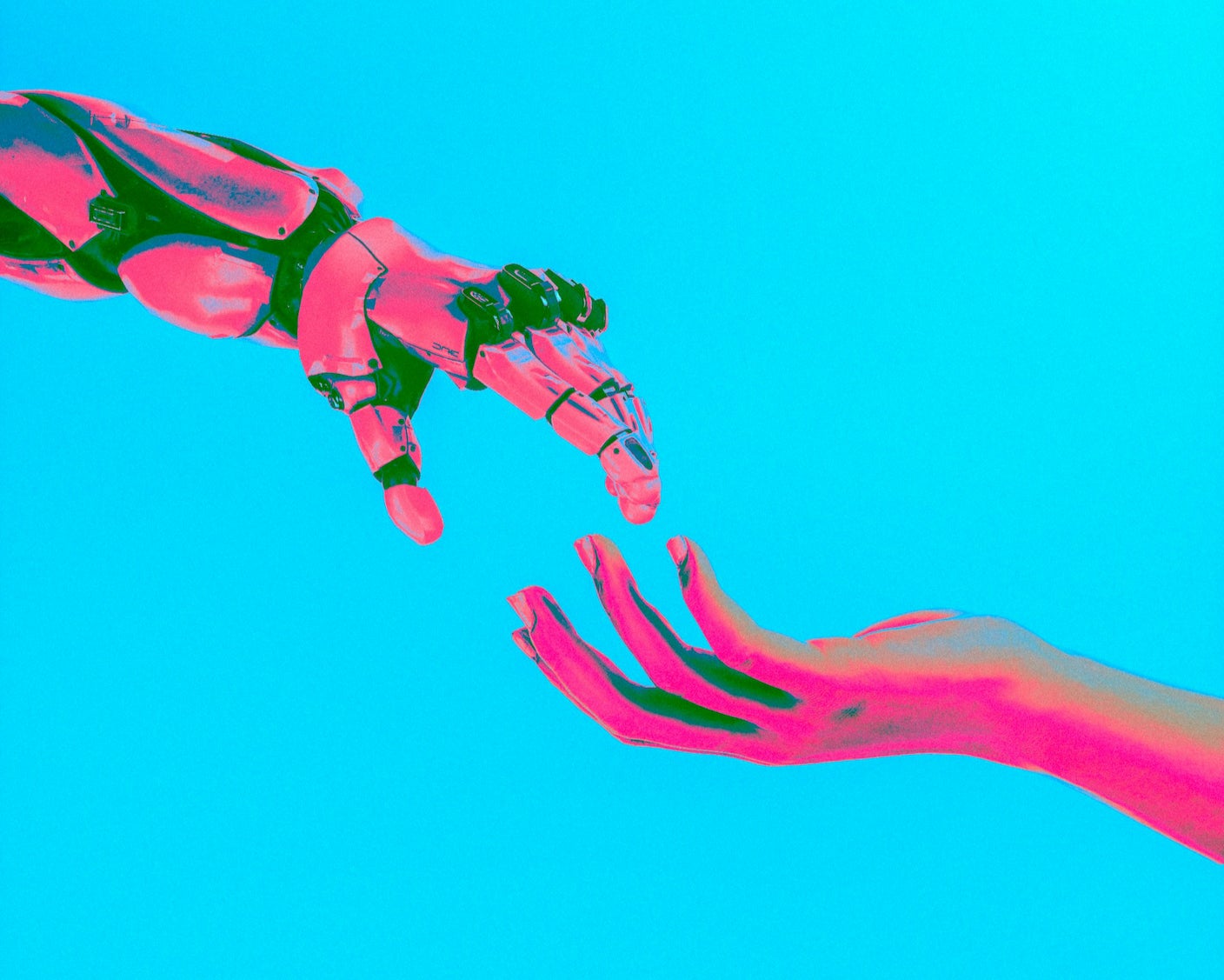
Arizona State University researchers report in a recent PNAS Nexus paper that large language models including GPT-4, Claude, and Llama behave like humans when forming social networks, replicating preferential attachment, triadic closure, and homophily in controlled tasks and real-world datasets. Comparisons with over 200 human participants show similar patterns across friendship and professional contexts, suggesting LLM agents could simulate social dynamics but also risk amplifying echo chambers and hierarchical biases.
Key Points
- 1Show that LLMs replicate preferential attachment, triadic closure, and homophily in network decisions
- 2Reveal models' consistency across college, phone-call, and company networks, matching human choices
- 3Warn that agents may reduce behavioral diversity, reinforcing echo chambers and organizational hierarchies
Scoring Rationale
Strong empirical evidence across datasets and human comparisons, but limited to selected LLMs and controlled experimental settings.
Sources
Public references used for this report.
Practice with real Logistics & Shipping data
90 SQL & Python problems · 15 industry datasets
250 free problems · No credit card
See all Logistics & Shipping problems
