
AI Models Mimic Human Social Network Formation
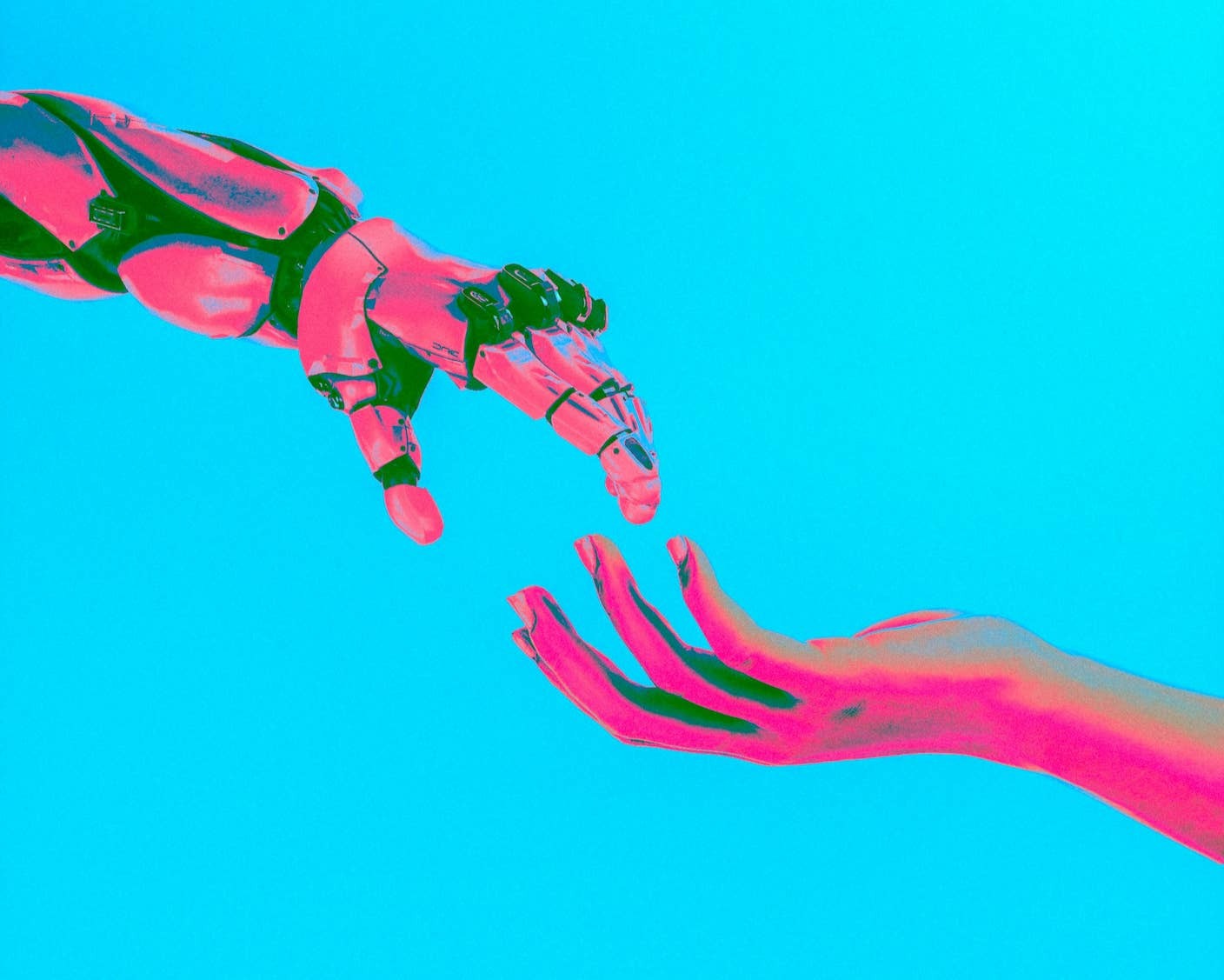
Researchers at Arizona State University report in a recent PNAS Nexus paper that large language models such as GPT-4, Claude, and Llama form social networks using human-like mechanisms. The team found models preferentially attach to popular peers, connect via existing friends (triadic closure), and favor similar counterparts (homophily). These findings suggest emergent social dynamics that are relevant for designers and deployers of agentic systems.
Key Points
- 1Find LLMs (GPT-4, Claude, Llama) preferentially attach to popular peers, mirroring human network growth
- 2Indicate models use triadic closure and homophily, suggesting sophisticated, human-like social heuristics
- 3Imply designers must consider emergent social behaviors when deploying agentic LLMs alongside humans
Scoring Rationale
Research demonstrates robust, generalizable behavioral patterns in major LLMs, but offers limited immediate tooling or mitigation guidance.
Sources
Public references used for this report.
Practice with real Logistics & Shipping data
90 SQL & Python problems · 15 industry datasets
250 free problems · No credit card
See all Logistics & Shipping problems