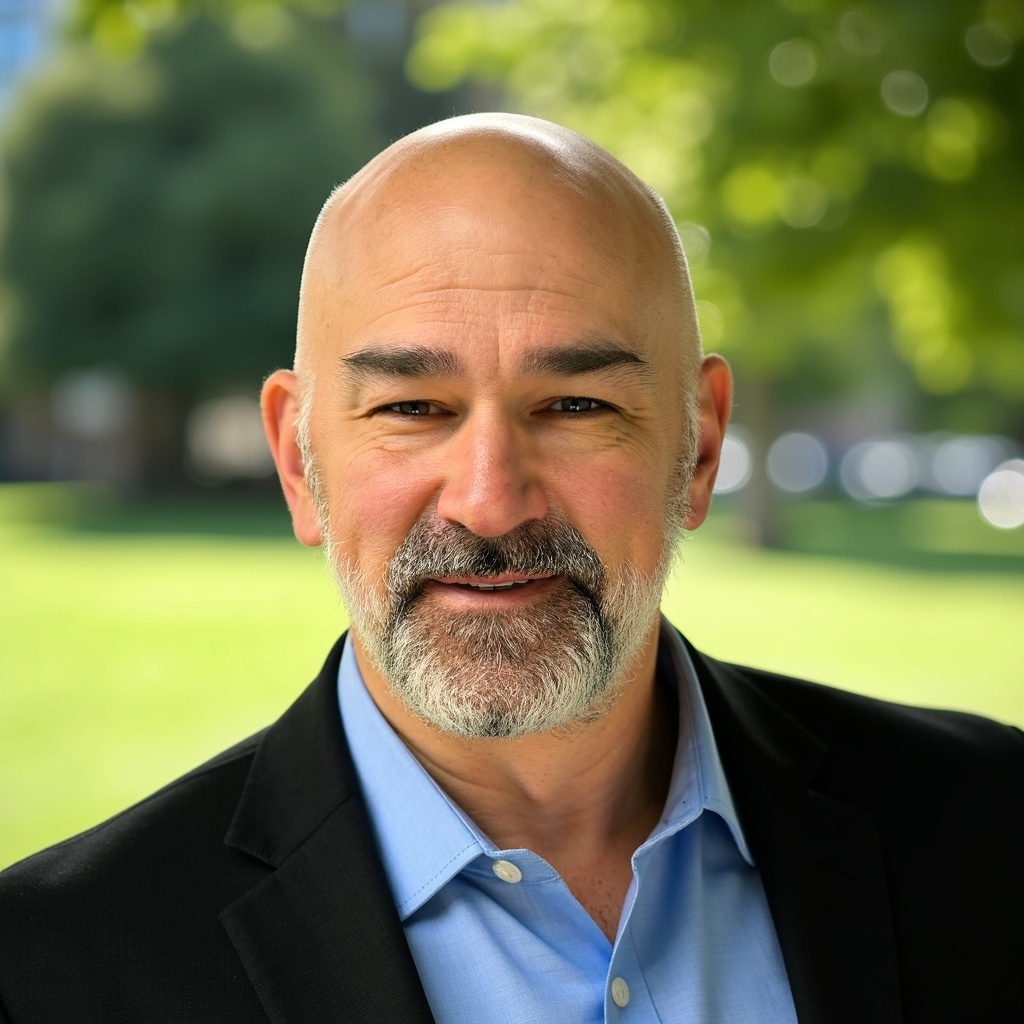
AI-generated Images Flood Met Gala Coverage

Deadline's column "Rendering" reports that AI-generated images of the Met Gala circulated widely online, producing viral fakes that fooled many users and some automated tools. According to Deadline, Google's AI-powered image search returned results that treated generated images as legitimate photos and linked to trusted outlets, including the BBC, which increased the apparent credibility of fakes. Deadline also reports that images traced to an account called RickDick gained wide attention within fashion circles and that at least one AI-generated outfit post amassed more than 3 million views on X. The piece includes the author's firsthand tests and examples, and quotes a hypothetical Miranda Priestly-style line, "Truth is, no one can do what I do," presented as cultural commentary by the column. This episode highlights growing verification challenges for media, platforms, and rights holders.
What happened
Deadline's "Rendering" column reports that AI-generated images tied to the Met Gala have proliferated across social platforms, blurring the line between real celebrity appearances and fabricated content. Deadline says its author fed generated images into Google's AI image search and received results that treated those images as genuine, linking to coverage from trusted outlets including the BBC. The piece identifies an account called RickDick as a source of many viral fakes and reports that at least one AI-generated outfit post reached more than 3 million views on X, per Deadline.
Technical details
Editorial analysis - technical context: Image synthesis models and diffusion-based generators now produce photorealistic results that can mimic red-carpet lighting, poses, and costume textures. Separately, modern search and retrieval systems combine visual similarity with web-context signals, which can cause generated images to be matched to legitimate articles and thereby amplify perceived authenticity. These are general industry patterns, not statements about any private system's internal configuration.
Context and significance
Industry context: The Deadline column frames the episode as part of a broader erosion of trust around celebrity imagery and cultural events. For platforms and publishers, generative-image virality raises moderation and verification costs, and it complicates rights management for designers and photographed talent. Deadline's reporting illustrates how quickly AI content can enter mainstream fashion discourse and social feeds.
What to watch
- •Platform response: whether image-search and social platforms change attribution or provenance signals for generated images
- •Verification tooling: adoption rates for provenance standards such as content credentials and cryptographic provenance
- •Rights and takedown activity: whether designers, publications, or celebrities pursue content-removal or policy routes
Key Points
- 1AI-generated images are now photorealistic enough to confuse both users and automated search, increasing verification load for publishers.
- 2Search and retrieval systems can inadvertently amplify fakes by linking generated images to reputable outlets, boosting perceived credibility.
- 3High-engagement AI fakes create incentives for rapid sharing, complicating moderation and rights enforcement in fashion and entertainment.
Scoring Rationale
The story highlights an important and practical misuse of generative imaging that affects verification, moderation, and provenance-issues relevant to practitioners but not a frontier technical breakthrough. It is notable for industry implications rather than technical novelty.
Sources
Public references used for this report.
Practice interview problems based on real data
1,625 SQL & Python problems across 15 industry datasets — the exact type of data you work with.
Try 250 free problems