AI Exacerbates Double Burden for Indonesian Women
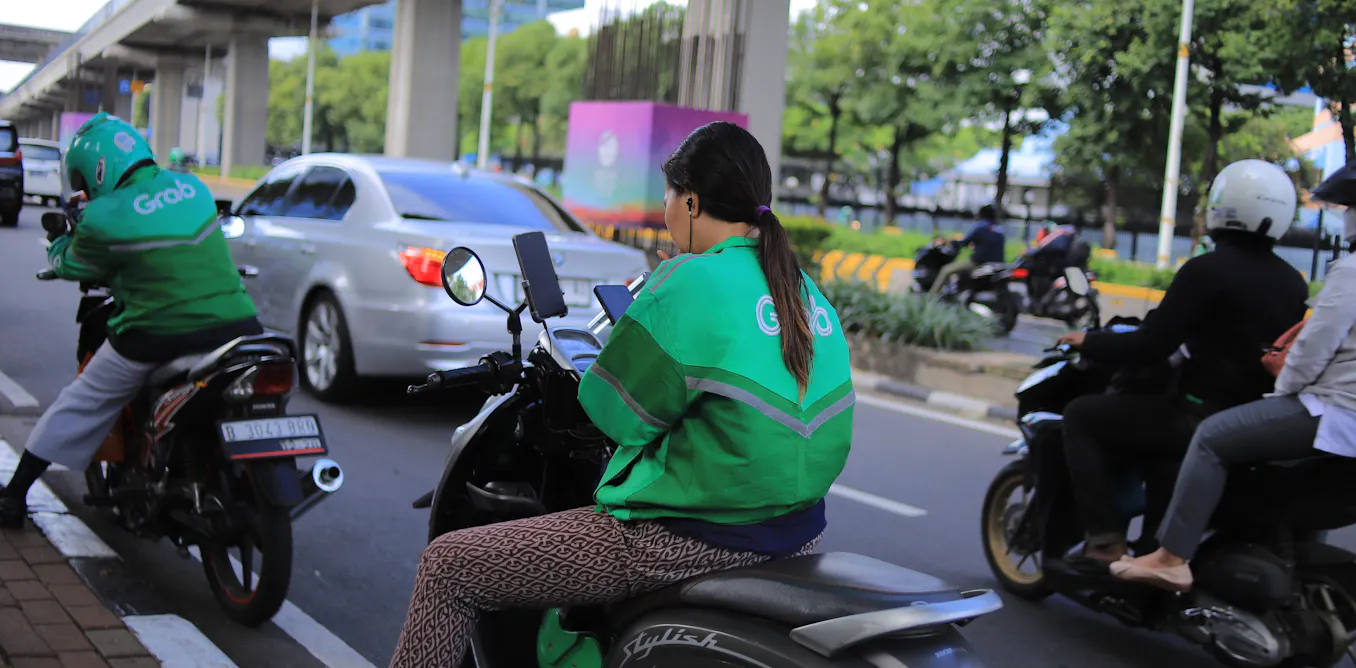
AI-driven platforms have digitized Indonesia's informal labor market while shifting risk and responsibility onto workers, and women shoulder the heaviest burden. Platforms such as Gojek, Grab, Maxim and Shopee classify drivers and couriers as independent contractors, relying on algorithmic ratings and task-based pay that provide no sick leave, maternity benefits or guaranteed income. Algorithms treat work as discrete tasks and ignore unpaid care, safety constraints and local gender norms, producing lower earnings, greater insecurity and heightened safety risks for female gig workers. The author frames this dynamic as "AI colonialism," where extractive digital systems from powerful firms reproduce unequal power relations. The immediate implication is a demand for gender-aware regulation, platform accountability, and algorithmic transparency to correct systemic harms.
What happened
AI-driven platforms have digitized Indonesia's large informal workforce but pushed financial risk, safety responsibilities and care burdens back onto workers. The author coins AI colonialism to describe how platforms headquartered in more powerful economies use data and algorithmic rules to extract labor value from the Global South. Companies named include Gojek, Grab, Maxim and Shopee. Workers are routinely classified as independent contractors and evaluated by algorithmic ratings that determine access to tasks and income.
Technical details
Platform business models combine task-based pay, dynamic pricing, gamified incentives and opaque algorithmic ratings. These elements create perverse incentives that do not account for gendered constraints. Key mechanisms and harms include:
- •Performance metrics and penalties that reduce earnings for unavoidable delays linked to caregiving or safety concerns.
- •Task allocation rules that prioritize speed and efficiency over worker safety, increasing risk for women who may avoid unsafe routes or night shifts.
- •Data collection and automated decision-making that extract behavioral signals without offering social protection, benefits or arbitration.
Context and significance
Indonesia's labor market is heavily informal, so digitization has expanded market access but not employment protections. The piece connects platformization research with gender studies, showing how the double burden of paid work plus unpaid care becomes more acute under algorithmic management. For practitioners this is a concrete example of algorithmic fairness and socio-technical design failing marginalized users: models and rules optimize business KPIs, not worker wellbeing. It also reframes debates about AI ethics as labor and development issues rather than purely technical problems.
What to watch
Expect pressure for gender-responsive regulation, algorithmic transparency, platform liability reform and collective bargaining. Researchers should measure gender-disaggregated outcomes, audit task-allocation logic and test design interventions that explicitly account for caregiving, safety constraints and intermittent availability.
Key Points
- 1Platforms digitize informal work but keep classification as contractors, creating precarity that disproportionately affects women.
- 2Algorithmic ratings and task-based pay ignore caregiving and safety trade-offs, reducing earnings and increasing risks for female workers.
- 3Addressing harms requires gender-aware regulation, transparency mandates and design changes that embed care and safety constraints.
Scoring Rationale
The story links algorithmic management to concrete, gendered harms in a large emerging market, which is important for practitioners designing or regulating platforms. It is not a frontier technical advance but signals meaningful policy and deployment risks that merit attention.
Practice with real FinTech & Trading data
90 SQL & Python problems · 15 industry datasets
250 free problems · No credit card
See all FinTech & Trading problems