
AI data centers draw infrasound complaints from neighbors
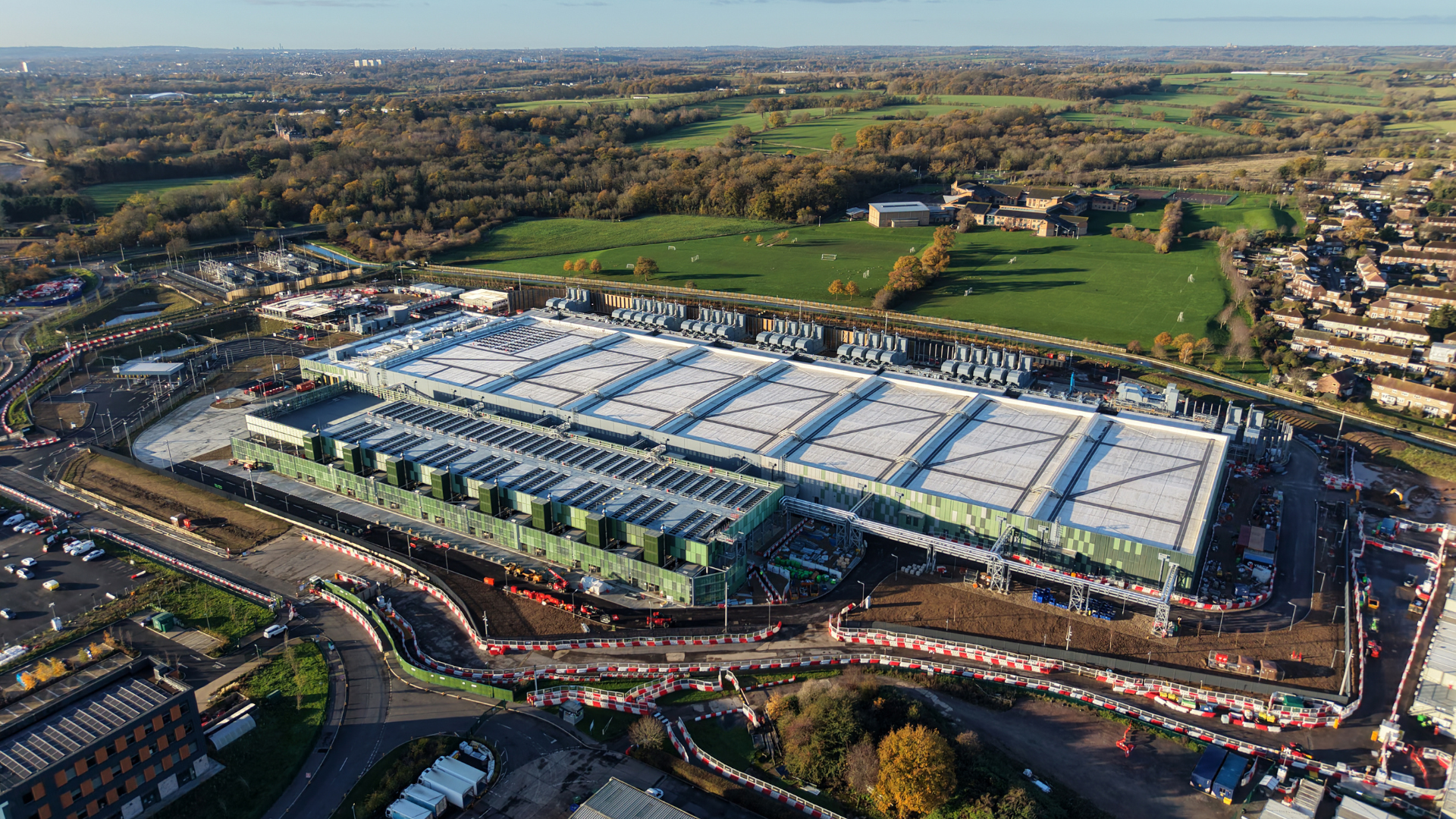
Tom's Hardware reports that residents living near AI data centers are increasingly complaining about low-frequency noise and infrasound that they say can be "felt" despite being below the human hearing threshold. The article cites claims that neighborhood sound levels have reached as high as 96 dB near some sites and notes continued concerns about conventional noise from on-site power generation, including natural-gas-powered turbines, per Tom's Hardware. The piece also says local governments have cited infrasound and broader noise issues when considering moratoria on new data center projects, according to Tom's Hardware. Industry observers should view recurring community noise complaints as an operational and permitting risk that can complicate siting, public outreach, and approvals for large-scale data-center projects.
What happened
Tom's Hardware reports that residents near some AI data centers are filing complaints about persistent low-frequency noise, including infrasound, which is below the threshold of conscious hearing but can be felt, according to the article. Tom's Hardware reports claims that measured noise near certain sites has reached 96 dB, and the article highlights conventional audible noise from on-site power systems such as natural-gas-powered turbines. The story notes that local governments have raised infrasound and noise concerns when considering moratoria on new data center projects, per Tom's Hardware. The article includes social-media postings and embedded recordings from residents documenting the sounds.
Technical details
Editorial analysis - technical context: Low-frequency acoustic energy and infrasound are distinct from standard A-weighted decibel measurements used in many noise ordinances. Industry literature and acoustic engineering practice show that A-weighting under-represents very low frequencies; specialized instrumentation and measurement approaches are required to characterise infrasound and low-frequency vibration accurately. For practitioners, this means conventional noise surveys may not capture community experience when complaints center on sub-audible or felt vibrations.
Context and significance
Industry context: Community opposition to data centers has previously focused on water use, energy demand, and visual impact. The Tom's Hardware report places noise, especially from on-site power generation and cooling systems, as a rising local flashpoint. If municipalities consider moratoria or stricter permitting tied to noise impacts, project timelines and permitting contingencies for large hyperscale or off-grid sites could be affected. This is a regulatory and community-relations risk that sits alongside environmental permitting and grid interconnection challenges.
What to watch
Indicators to follow include municipal permitting language on low-frequency noise, deployment of low-frequency measurement protocols in environmental reviews, utility or developer adoption of quieter genset and cooling technology, and any peer-reviewed studies linking infrasound exposures to health outcomes. Observers should also track whether more systematic acoustic monitoring replaces anecdotal recordings in contested siting decisions.
Key Points
- 1Residents report persistent low-frequency noise and infrasound near AI data centers, which they say can be physically felt despite being inaudible.
- 2Conventional A-weighted decibel metrics can understate low-frequency energy, meaning standard noise surveys may miss community complaints.
- 3Industry-pattern observation: Local permitting and moratoria increasingly factor nontraditional nuisance concerns such as infrasound into data center siting debates.
Scoring Rationale
The story highlights a material operational and permitting risk for data-center projects that matters to infrastructure and site-ops teams, but it is not a technical breakthrough. The potential for local moratoria or stricter noise requirements elevates practical importance for practitioners.
Practice interview problems based on real data
1,625 SQL & Python problems across 15 industry datasets — the exact type of data you work with.
Try 250 free problems