AI Data Center Growth Creates Power Infrastructure Bottleneck
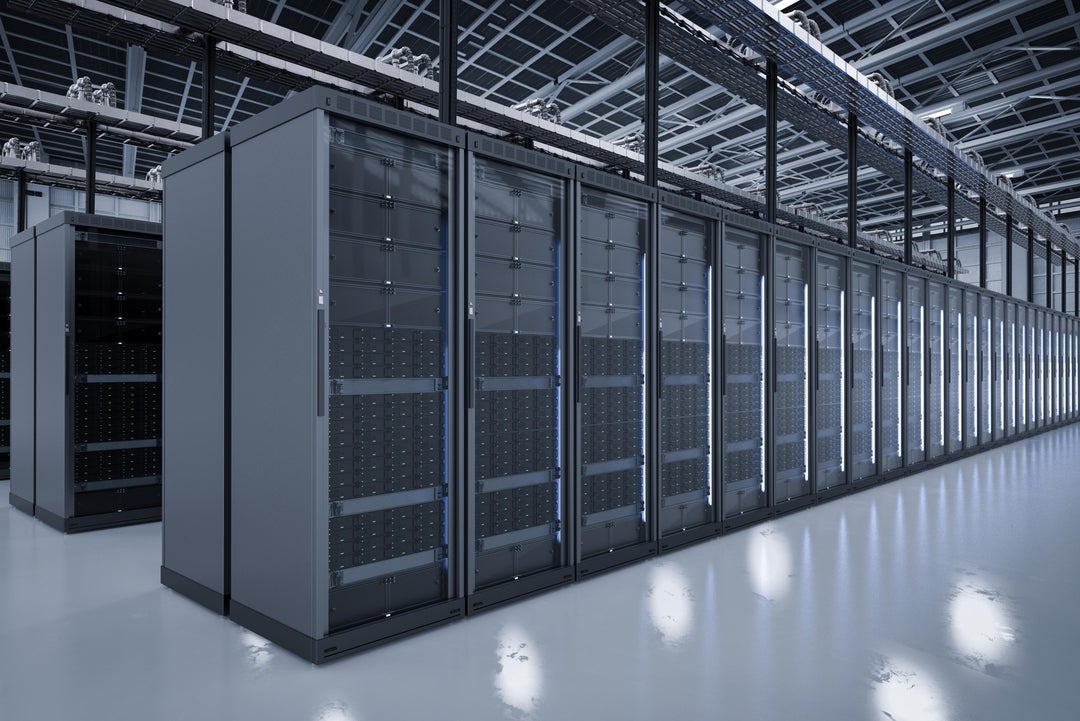
Power Magazine reports that the inaugural Data Center POWER eXchange (DPX) in Denver convened data center owners, utilities, engineers, power generators, and technology providers to focus on the infrastructure constraining AI buildout. The article frames megawatts, siting, firm generation, and power-aware design as the new inner loop of the AI race, and cites a remark from Dario Amodei, CEO of Anthropic, at Davos: "We are knocking on the door of these incredible capabilities. The ability to build basically machines out of sand." Power Magazine's coverage argues that capacity, interconnection lead times, and reliable on-site or firmed generation now shape where and how AI facilities expand.
What happened
Power Magazine reporter Michelle Buckner covers the inaugural Data Center POWER eXchange (DPX) summit in Denver and reports that the event gathered data center owners, utilities, engineers, power generators, and technology vendors to discuss infrastructure constraints on AI growth. The article states that megawatts, siting, firm generation, and power-aware design are becoming the "real inner loop" of the AI race. The piece also quotes Dario Amodei, CEO of Anthropic, at Davos: "We are knocking on the door of these incredible capabilities. The ability to build basically machines out of sand." (Power Magazine)
Editorial analysis - technical context
The coverage highlights several infrastructure factors that practitioners should treat as cross-functional constraints rather than purely construction problems. High-density AI clusters increase site-level electrical load, raising transformer, switchgear, and substation requirements. Interconnection queues, utility capacity studies, and permit timelines commonly add time to project schedules, while firm generation or long-term capacity contracts are increasingly used to guarantee steady megawatts during peak demand. These are industry-wide patterns observed across recent hyperscale and colo projects.
Editorial analysis
Power-aware design and efficiency measures, including chilled water system optimization, direct liquid cooling, and power-path redundancy, shift cost tradeoffs from pure compute scaling to host-level electrical engineering. For practitioners, this changes procurement and project risk modeling because power availability and cost variability now materially affect TCO and deployment pace across regions.
What to watch
Indicators an observer should track include:
- •utility interconnection queue durations and completed capacity upgrades
- •regional availability of firm generation or long-term capacity contracts
- •permitting and land-siting outcomes near major transmission nodes
- •adoption rates for power-aware server cooling and efficiency retrofits
Key Points
- 1Power infrastructure, not chips, is now the primary constraint on large-scale AI data center deployments, driving siting decisions.
- 2Long interconnection lead times and scarce firm generation increase scheduling and cost risk for planned AI facilities.
- 3Power-aware design and on-site or contracted firm capacity reduce operational risk but shift capital and engineering tradeoffs.
Scoring Rationale
The story raises a material operational constraint for AI deployments that affects capacity planning, cost, and timelines. This is directly relevant to practitioners building or operating large-scale AI infrastructure, but it is not a frontier-model or regulatory shock.
Practice interview problems based on real data
1,625 SQL & Python problems across 15 industry datasets — the exact type of data you work with.
Try 250 free problems