Adrian Mowat Flags AI Chip Rally Reality Check
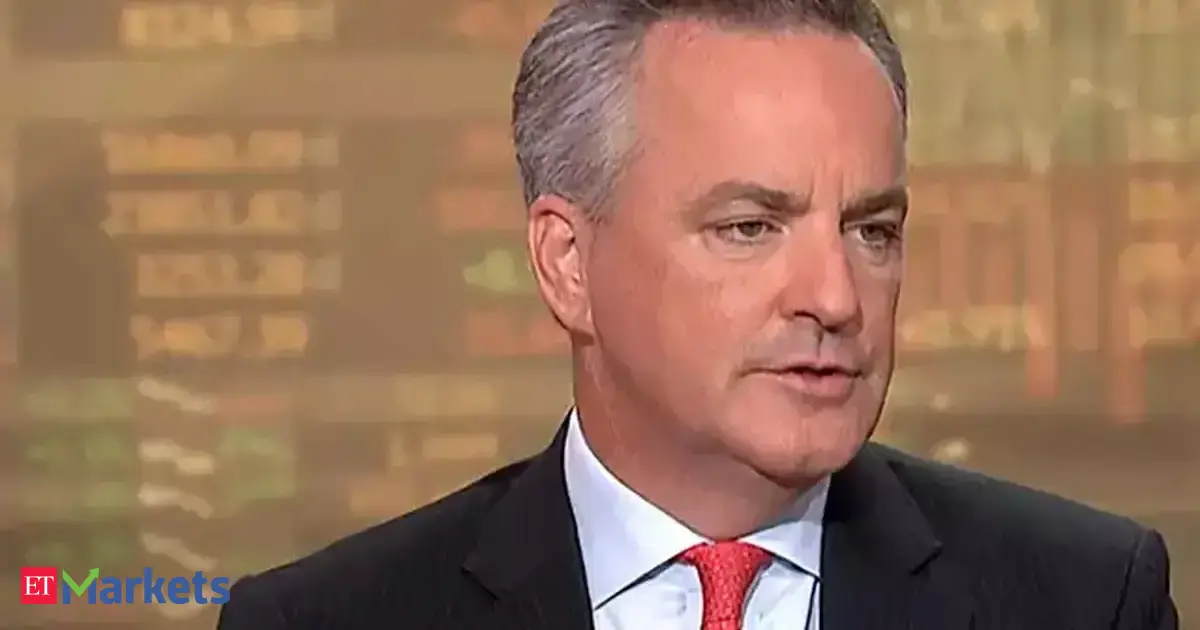
EM-equity strategist Adrian Mowat told The Economic Times on June 29, 2026 that the pullback in South Korean chip stocks is a temporary reality check, not an AI bubble bursting, attributing recent volatility to strong earnings revisions from tight chip supply and demand. The comments follow a genuinely rough stretch for Korean tech: the KOSPI saw 8 to 10% single-session swings in June, including a circuit-breaker-triggering selloff, as investors unwound crowded AI and semiconductor trades. Mowat said the next phase requires companies to show AI-driven revenue growth and cost reductions rather than momentum alone, and that Indian IT firms could see sentiment improve by demonstrating concrete AI benefits to clients.
The useful signal for practitioners isn't whether one strategist is bullish or bearish, it's the specific bar he sets: AI-hardware valuations built on supply-constrained earnings revisions need to convert into demonstrated AI-driven revenue and cost savings, or repricing risk stays elevated regardless of near-term price recoveries.
What happened
Reporting by The Economic Times on June 29, 2026 attributed to EM-equity strategist Adrian Mowat the view that South Korean chip stocks are undergoing a temporary dip rather than an AI bubble bursting, with the recent volatility driven by strong earnings revisions from tight chip supply and demand. Mowat framed the "next phase" as requiring companies to show measurable AI-driven revenue growth and cost reductions, and said Indian IT firms could see sentiment improve by demonstrating concrete AI benefits to clients. His comments followed a genuinely turbulent stretch for the sector: Bloomberg and CNN reported the KOSPI fell as much as 8 to 10% in single sessions in late June, triggering a circuit breaker, as investors unwound crowded AI and semiconductor positions; commentators noted that with two chipmakers representing roughly 40% of the benchmark index, the KOSPI has effectively become a concentrated semiconductor bet.
For practitioners
Practitioners managing AI-hardware procurement or infrastructure budgets should treat this volatility as a change in external risk signal, not a verdict on the technology: periods of tight supply and demand can produce earnings revisions that outrun the underlying revenue evidence, so architecture and purchasing decisions made during peak-price windows can lock in higher costs. Track fab utilization and capacity guidance from major manufacturers, and watch for AI-specific revenue and cost-saving line items in earnings reports, the metric Mowat says will determine whether current valuations hold.
What to watch
Watch whether large Indian IT vendors report client outcomes explicitly tied to AI deployments, the sentiment lever The Economic Times highlights, and whether South Korean chipmakers' next earnings show AI-capex converting into durable product revenue rather than just supply-driven pricing power.
Key Points
- 1EM-equity strategist Adrian Mowat says the South Korean chip stock pullback reflects a temporary reality check, not an AI bubble bursting, per The Economic Times.
- 2The KOSPI fell 8 to 10% in single sessions in late June, triggering a circuit breaker, as investors unwound crowded AI and semiconductor trades.
- 3Mowat says AI-hardware valuations must convert into demonstrated revenue growth and cost savings, not just supply-driven earnings revisions, to hold.
Scoring Rationale
A single strategist's view, but grounded in and corroborated by genuinely significant, well-documented market volatility (KOSPI single-session swings of 8-10%, a circuit-breaker event, and index concentration risk from two chipmakers). Useful for practitioners tracking AI-hardware procurement risk signals; held below 'notable' since it remains commentary rather than new data or a structural change.
Sources
Public references used for this report.
Practice interview problems based on real data
1,625 SQL & Python problems across 15 industry datasets — the exact type of data you work with.
Try 250 free problems