WVU Develops AI Digital Twins For Astronauts

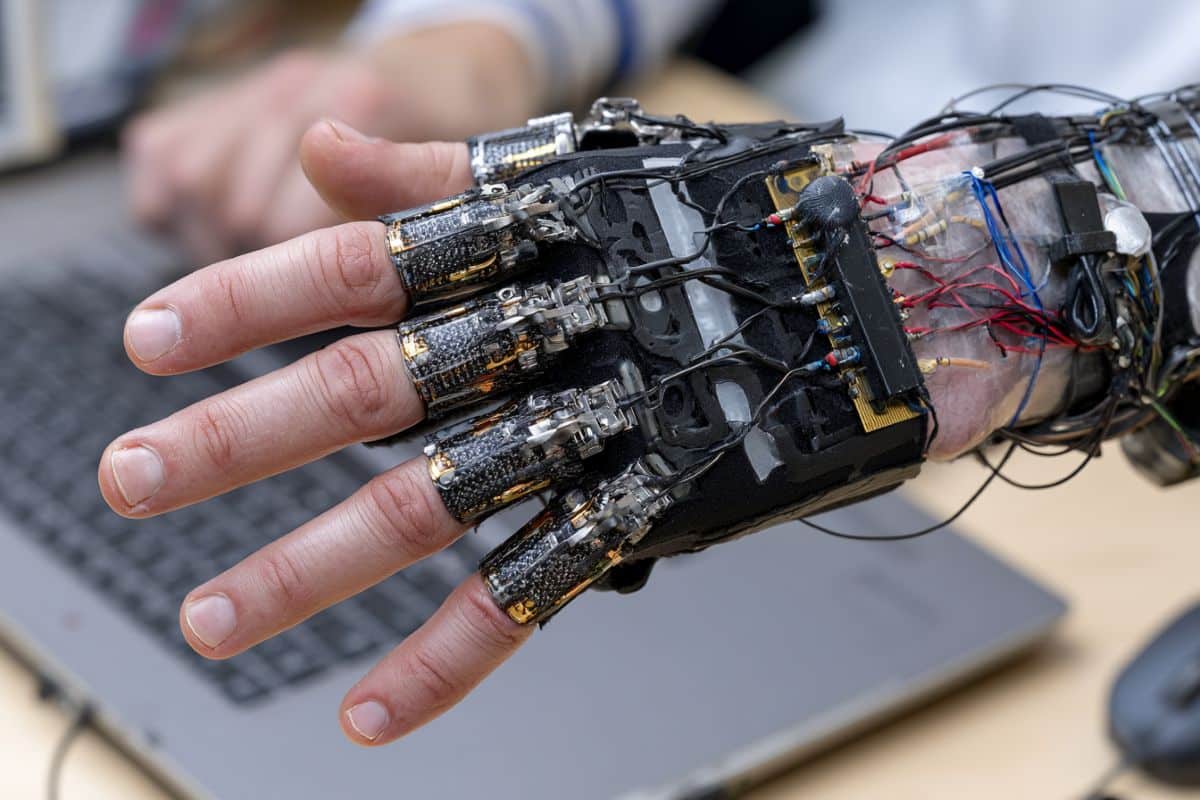
West Virginia University researchers, led by Valeriya Gritsenko and Sergiy Yakovenko, are developing AI-driven personalized digital twins to monitor astronauts' movement and neuromuscular function during long-term microgravity missions. Funded by a $750,000 NASA award, the project uses motion capture, wearable sensors and physics-based simulations in virtual-reality tasks to detect early deconditioning and recommend individualized countermeasures. The system aims to enable autonomous onboard monitoring, guide rehabilitation after landing, and extend to terrestrial telemedicine.
Key Points
- 1Develops personalized digital-twin AI models capturing astronaut limb movement and neuromuscular activation.
- 2Addresses communication delays by enabling onboard autonomous monitoring and early detection of deconditioning.
- 3Guides individualized countermeasures and rehabilitation, informing exercise adjustments to preserve mobility during missions.
Scoring Rationale
Strong NASA-funded university research with practical digital-twin applications; limited immediate deployment and primarily space-focused scope.
Sources
Public references used for this report.
Practice interview problems based on real data
1,625 SQL & Python problems across 15 industry datasets — the exact type of data you work with.
Try 250 free problems