Researchprostheticsembodimentvirtual realityhuman robot interaction
Prosthetic Arm Speed Affects Embodiment Acceptance
8.1
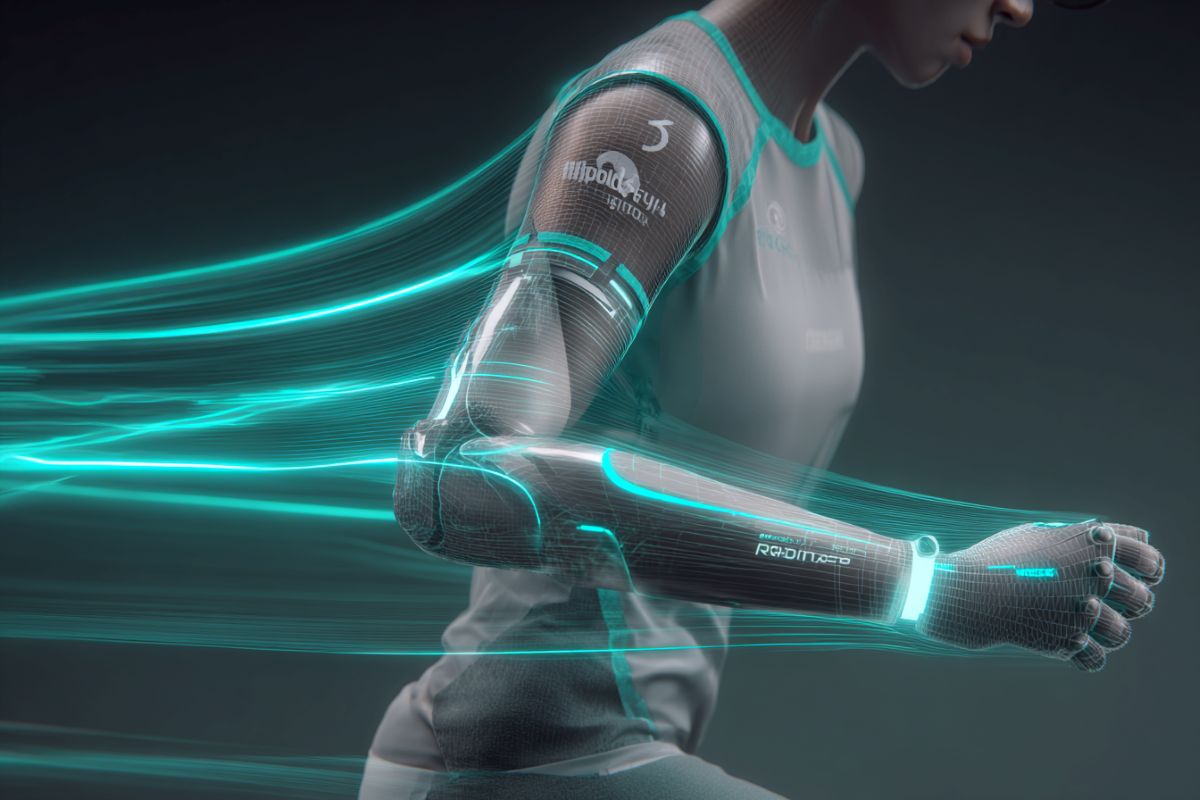
In a virtual reality experiment, researchers led by Harin Manujaya Hapuarachchi tested how prosthetic forearm movement speed (125 ms to 4 s) affects embodiment, agency, usability, and social impressions. They found a moderate movement duration of about 1 second produced the highest body ownership, agency, and usability, while very fast or very slow motions reduced acceptance. Results suggest designing autonomous prostheses with human-like reach timing.
Key Points
- 1Demonstrate optimal movement duration (~1 second) maximizes ownership, agency, and usability metrics.
- 2Reveal that overly fast (125 ms) or slow (4 s) motions reduce embodiment and increase discomfort.
- 3Advise designing autonomous prostheses with human-like reach timing to improve user acceptance and usability.
Scoring Rationale
Clear, actionable experimental evidence for prosthesis timing; limited by VR-based, short-term study and single cohort.
Practice interview problems based on real data
1,625 SQL & Python problems across 15 industry datasets — the exact type of data you work with.
Try 250 free problems